Read Before Monday
From the
Archive
#122 26 Jul 2026
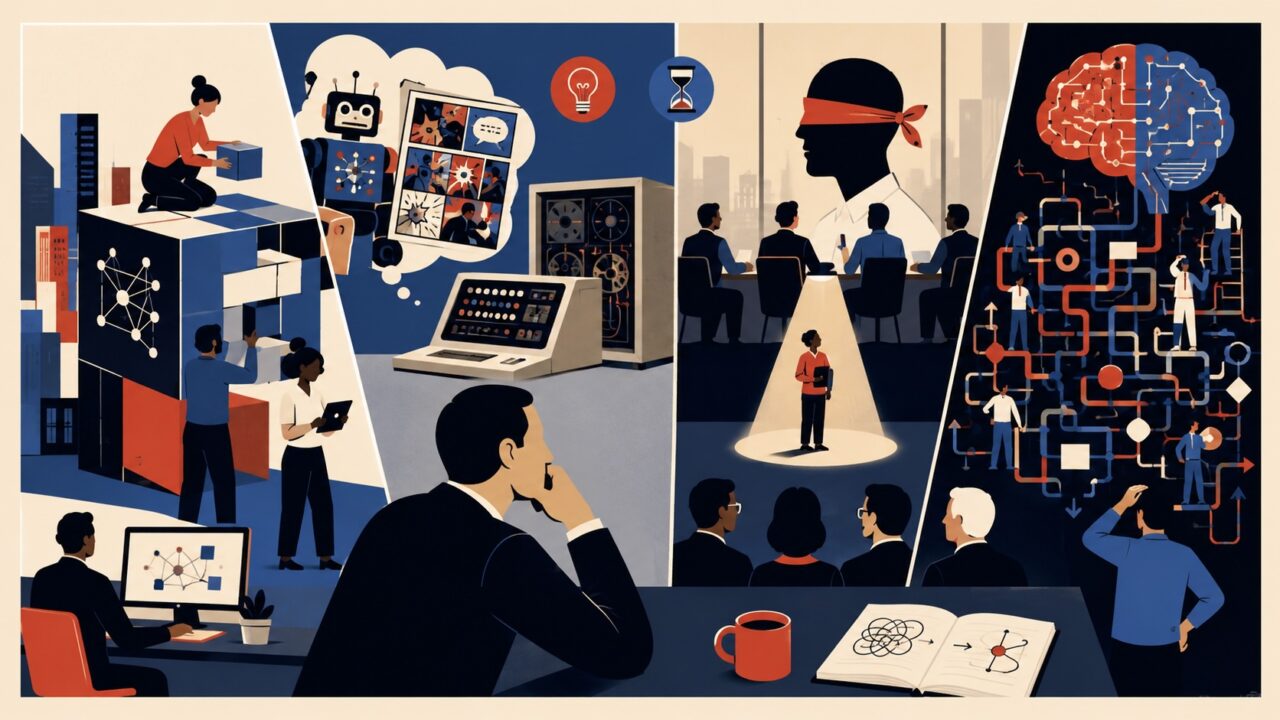
This week’s #RBM reading is quite broad! Starting with Microsoft arguing that enterprise AI success depends on embedding engineering expertise into organisations rather than simply providing models, while its decision to open source Comic Chat and the story of the Rekursiv computer both show that many ideas presented as cutting-edge today were conceived decades ago but arrived before the market, hardware or software ecosystem could support them. Ian Reppel explores the organisational consequences, describing how successful companies can gradually lose the ability to recognise technical excellence, and David C. Krakauer widens the lens further by arguing that intelligence can itself become a source of failure when increasingly sophisticated systems make manageable problems more complex.
#121 19 Jul 2026
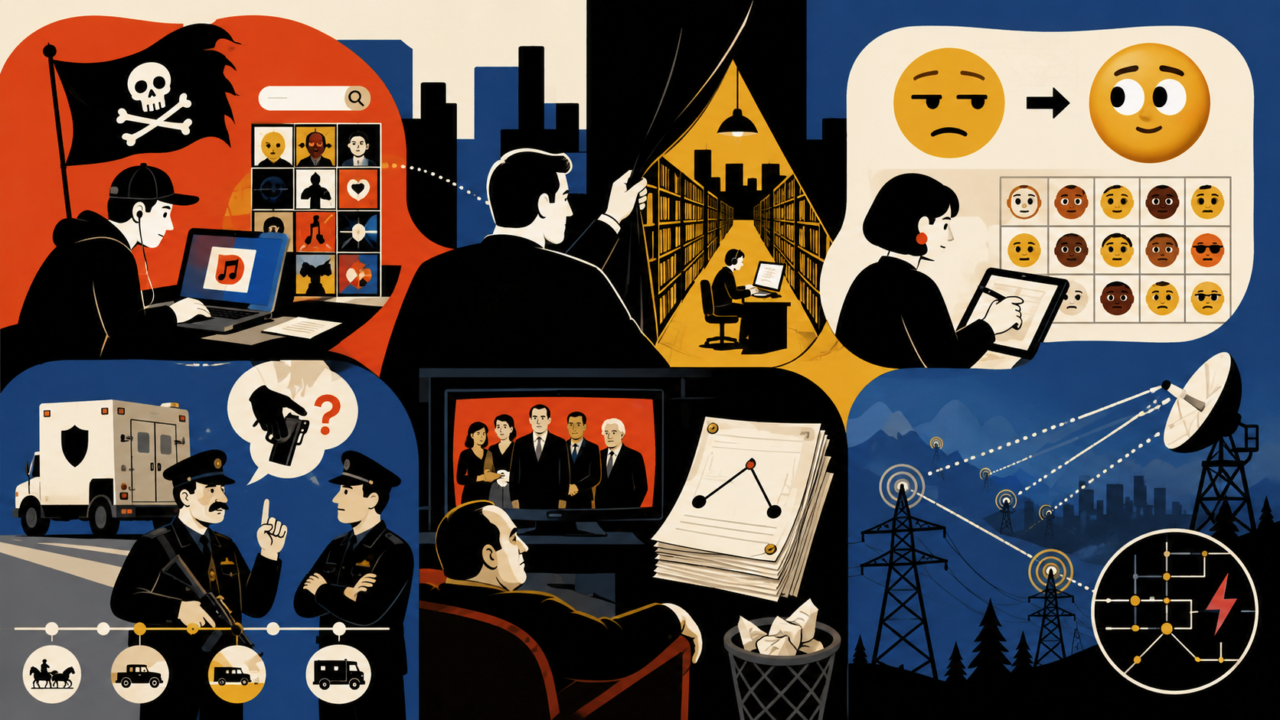
This week’s #RBM is just a reminder that the interesting story is usually hiding behind the obvious one... We start with music piracy, that wasn’t really about stealing music, it was about building a catalogue and search experience the industry couldn’t match. Google’s emoji redesign turns out to be less about shiny graphics than making tiny faces communicate more clearly. Cash-in-transit guards have spent a century arguing over when to put a hand on a gun, proving that operational habits can outlive the evidence behind them. The Sopranos became great by refusing to behave like a screenplay textbook. And the Pacific Northwest’s power grid only worked because an invisible microwave network spent decades quietly preventing local faults from becoming regional disasters.
#120 12 Jul 2026
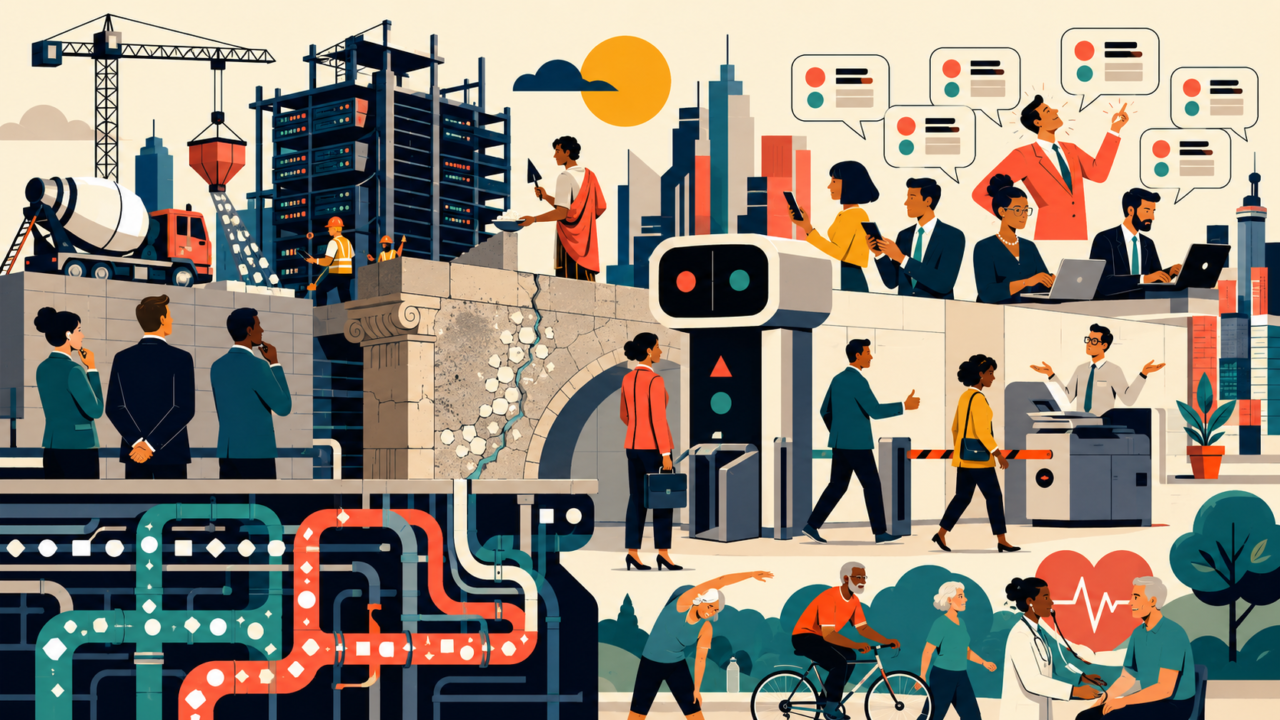
This week in #RBM; AI economics looks reassuringly like every infrastructure boom before it: a trillion dollars of concrete, silicon and optimism poured into capacity while nobody can quite explain who will retain the margin once tokens become plumbing. The Romans, meanwhile, appear to have solved a more practical infrastructure problem two millennia ago by leaving reactive lumps in their concrete that helped seal cracks. Princeton’s researchers remind us that machines become social actors the moment they start judging, refusing or allocating, regardless of how often procurement insists they’re merely “decision-support tools". Dementia rates are falling in several wealthy countries, apparently because education, cardiovascular care, exercise and other unglamorous interventions work, which is unfortunate news for any strategy requiring a proprietary platform, a heroic drug launch and a conference keynote. And Pangram reports that LinkedIn contains rather a lot of AI-generated prose, using its own commercial detector to reach a conclusion that most users had already formed somewhere around the third post beginning “I’m humbled to announce”.
#119 5 Jul 2026
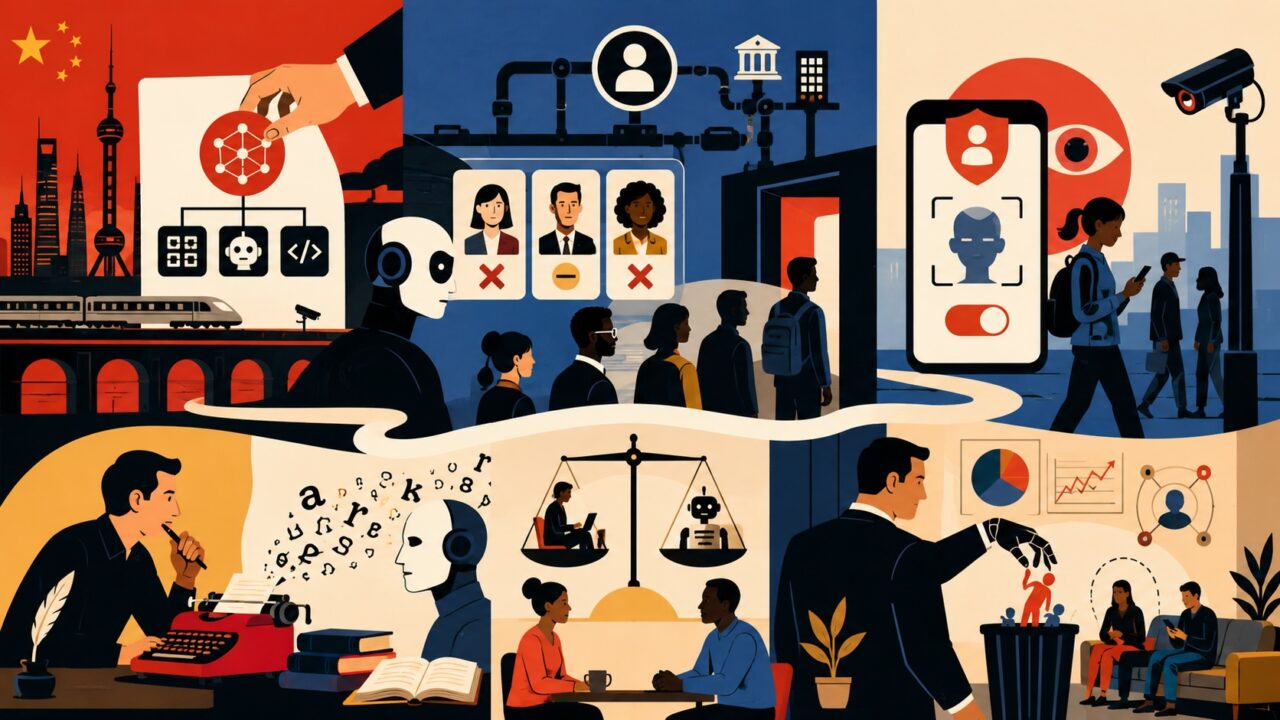
This week #RBM theme is about the future that is being sold as automation, but the real fight is over control, trust and accountability. We start with China’s new internet rulebook shows regulation becoming infrastructure, with platforms, AI agents and algorithms pulled into a single compliance surface. Then Stanford HAI’s work on AI hiring tools shows what happens when opaque systems become labour-market gates: bias stops being a local HR problem and starts moving through shared vendor pipes. FIRE’s warning on age verification makes the same point from another angle, where child-safety policy risks creating a new identity layer for ordinary speech. We also have Martin Puchner’s essay on AI and literature is the useful counterweight, arguing that language has always been a technology and writers should test the machine rather than worship or panic about it. Finally, Chris Hillman then brings the whole thing back to customers and employees: AI can raise the floor, but firms that strip out human judgement and call it efficiency will spend years buying synthetic personalisation to replace the relationships they destroyed.
#118 28 Jun 2026
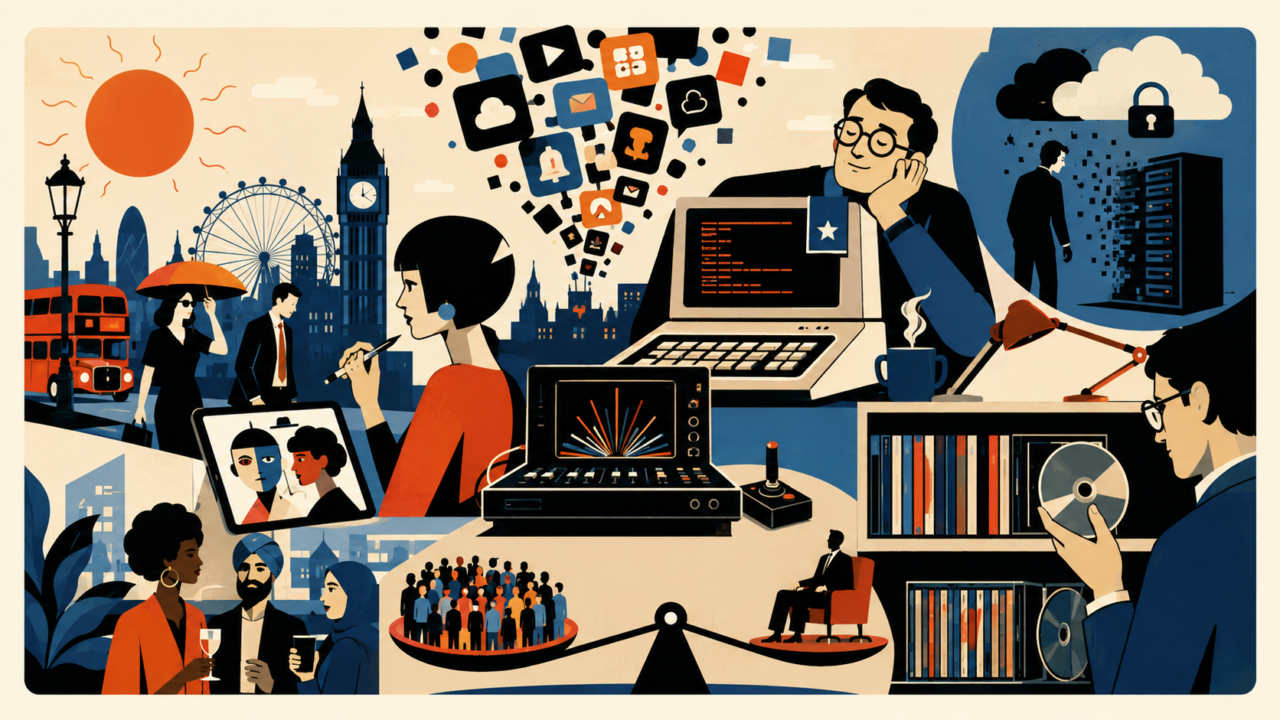
Welcome to another scorching week in London, and this #RBM edition the software is abundant, the media is vanishing, the humans are stylised, the consoles do not play games and a decades-old word processor still has better manners than most modern apps. Robert J. Sawyer’s WordStar loyalty is not just nostalgia, it is a defence of tools that protect thought instead of constantly asking to be managed. Tereza Tizkova’s software abundance argument shows what happens when making things gets cheaper and judging them gets louder: expertise survives, but the comfortable middle gets squeezed. Pixar’s believable people remind us that realism is often a trap, and that the right abstraction can feel more alive than a failed imitation. Atari Video Music is the charming failure in the room, a product that saw a future before anyone knew where to shelve it. Cem Dervis’s defence of physical media brings the week back to control: the cloud is convenient until the licence changes, the server closes or the thing you bought quietly stops being yours. At the end good technology does not just add capability, it decides who holds the power when the novelty wears off...
#117 21 Jun 2026
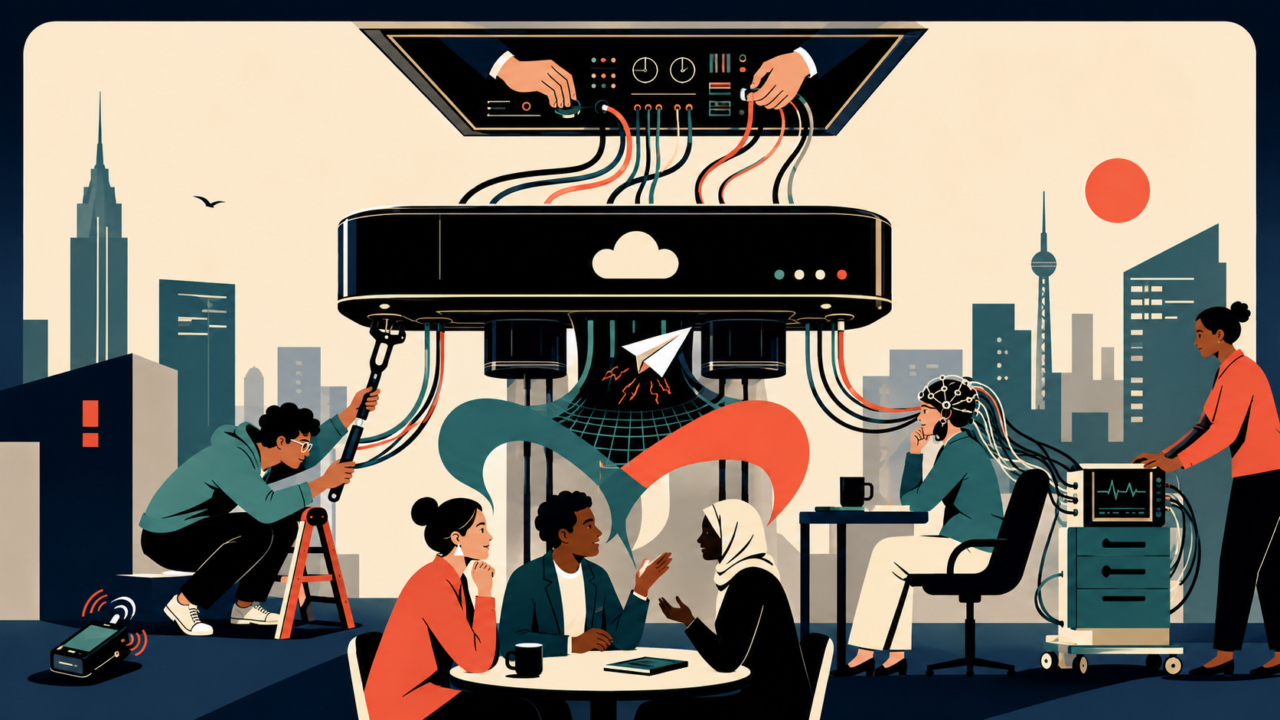
This week’s #RBM came from my Obsidian second brain (yes, finally got the time to implement a proper structure that left my MSFT OneNotes behind) and it had a useful common thread: systems that look self-organising usually have a hidden control plane, and someone is quietly paying for the mess. Open source keeps modern software upright while its maintainers absorb demand, risk and pager pain without anything resembling a market signal. Brain-computer interfaces are moving from lab spectacle to domestic infrastructure, but the wires, carts and care labour are still very real. McKinsey’s transformation piece dresses collective action in boardroom language, yet the point is sound: local incentives will eat any grand programme that does not change who owns the work. The Signalist makes the case that conversation is not office garnish, it is part of how teams detect weak thinking before it ships. Stratechery’s Anthropic piece lands in the same territory with sharper teeth: AI vendors are not neutral utilities, they are policy, telemetry and commercial power bundled behind an API.
What you need to read before your busy Monday, published every Sunday
Read Before Monday is a weekly newsletter from Vitor Domingos - with a handful of articles, essays and oddities collected over the week, annotated with a short opinion, and sent before Monday morning.
No breaking news. No ten-thousand-word think pieces. No affiliate links. Just a small, curated and considered list of things worth sitting with.
The next issue lands Sunday evening.
One email a week. No tracking. No ads. Totally free. You can leave any time.