Read Before Monday
From the
Archive
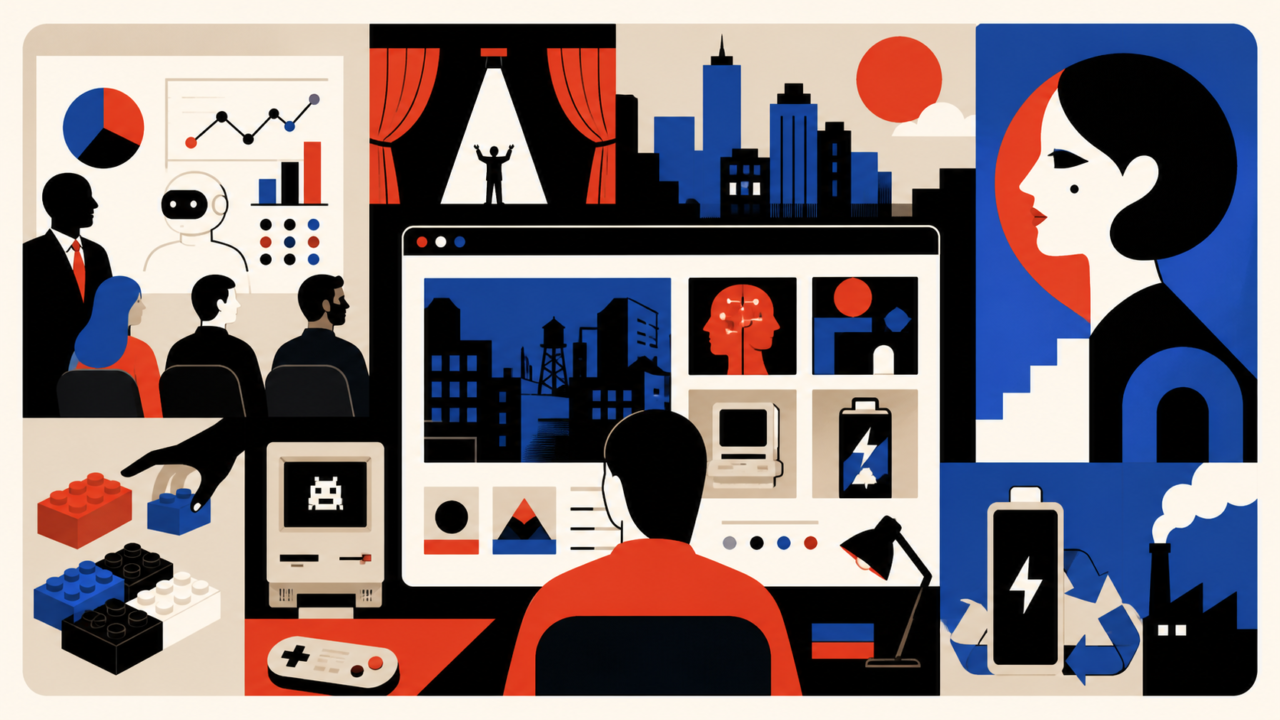
#110 3 May 2026
This is a very special edition! In fact, the first one after 2 years and 10 weeks in that there’s a website for #ReadBeforeMonday that incorporates the archive and it’s actually nice. This is the result of hard work, tenacity and lots of technical solutions! … I’m lying! This was Claude Design with Codex and Copilot and - wait for it - a lot of prompting! Anyway… on today’s edition we go from AI transformation theatre to toy-brick interoperability, from retro Mac preservation to battery recycling patents, and finally to the visual inspiration behind the Read Before Monday artwork and new site. Han Lee gives us the bleakly funny version of corporate AI mandates: dashboards, agents, workflows and productivity claims that look suspiciously like quota-driven performance art. The Free Universal Construction Kit reminds us that lock-in starts early, sometimes with children’s toys and proprietary plastic connectors. Dark Castle shows why software history survives not through nostalgia alone, but through people quietly packaging emulators, ROMs and instructions so the rest of us can press play again. The EPO’s battery circularity report is a useful warning that patents are not plants, and Europe needs capacity, not just promising charts. And Malika Favre’s website lands as the design prompt underneath it all: sharp identity, restraint, recognisable visual rules and no desperate over-explaining. The work is never just the thing you publish. It’s the system that makes people want to come back.
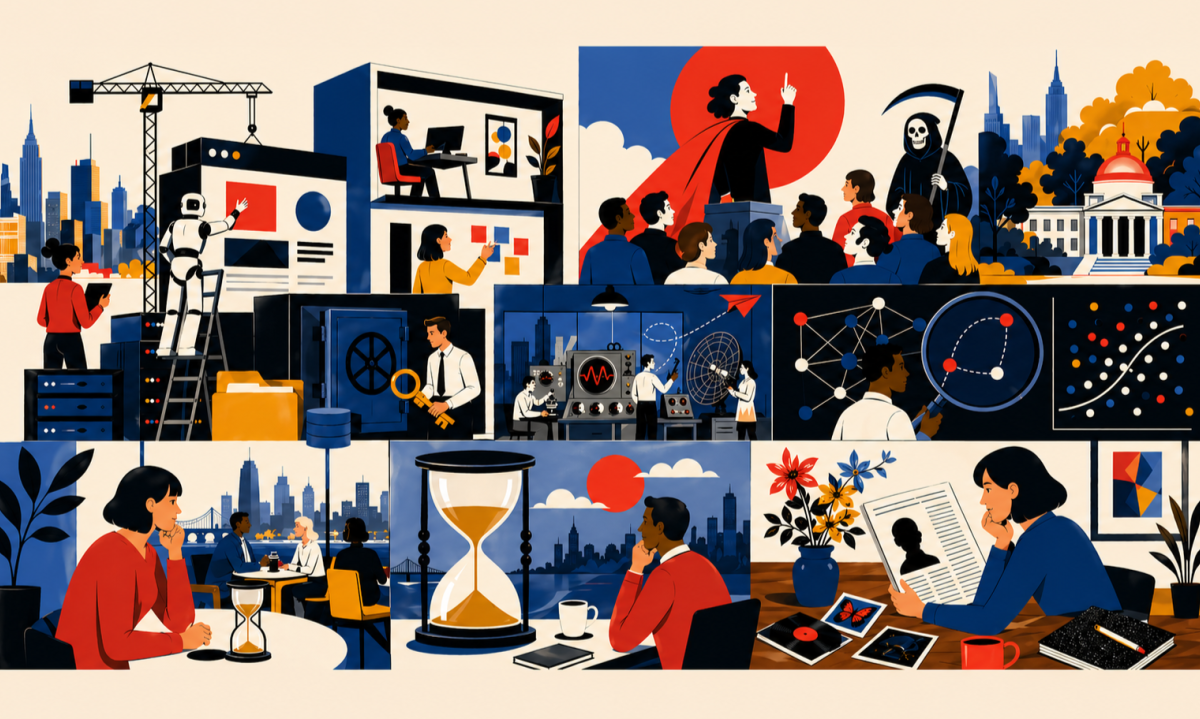
#109 26 Apr 2026
We’re one week away from some great news for those that have been following the #RBM here :) But, whilst we wait, here’s the slow reading before tomorrow, as this week’s articles accidentally form a neat little argument about infrastructure, hype and patience. AI might be able to build the website, migrate the content and even fiddle with the WordPress theme, but the boring machinery still matters: permissions, memory, workflows, archives and all the strange decisions a business quietly stores inside “the website”. Longevity campaigners want death promoted to policy enemy number one, which is ambitious, morally tidy and missing the rather important bit where effective anti-ageing treatments actually exist. Bell Labs reminds us that serious invention needs room to look wasteful before it looks brilliant, which is exactly the kind of patience modern dashboards are designed to murder. In machine learning, mathematics hasn’t died either; it’s just been moved from oracle to investigator, called in after scale has done something weird and profitable. And finally, creativity may need less algorithmic sameness and more odd inputs, even obituaries. Especially obituaries. Curiosity takes time. Time is usually the first thing we claim to value, then quietly remove from the calendar.
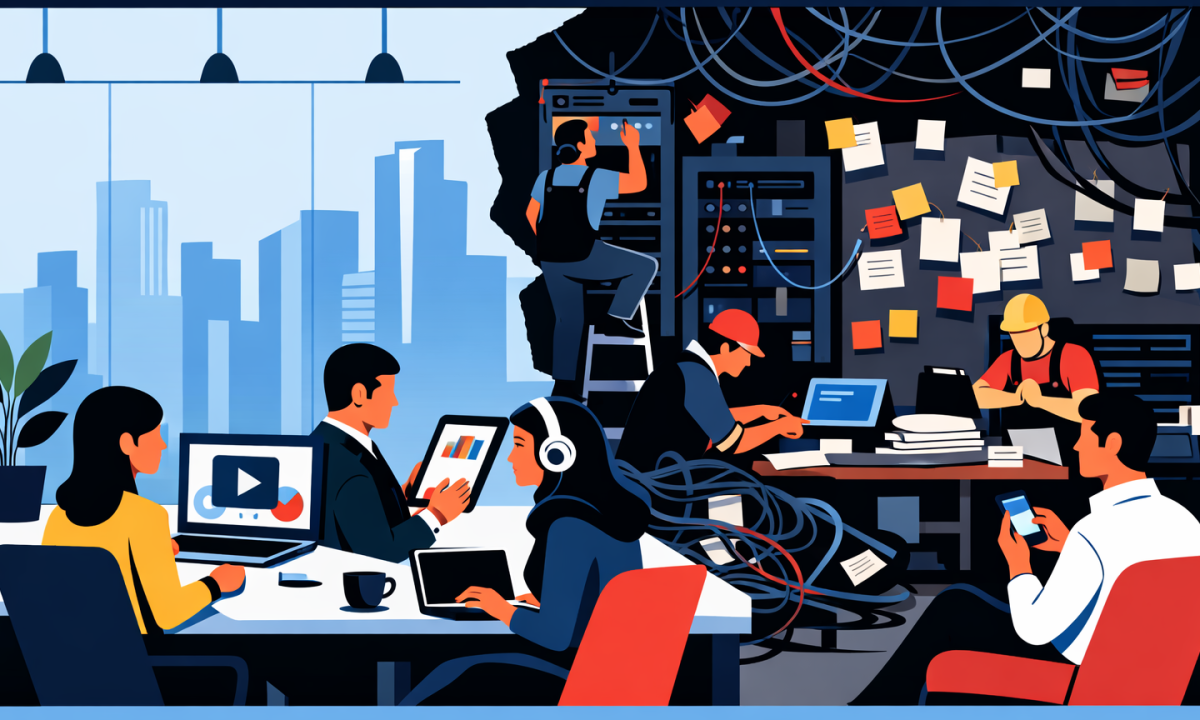
#108 19 Apr 2026
Yes, I’ve been away for the past week here on Linkedin, but we’re cooking something great over Hitachi Digital Services - and it has to be with skills! Anyway… the best thing I read this week all pointed at the same uncomfortable truth: most modern work doesn’t fail because we lack tools, speed or cleverness, it fails because we avoid the hard task, inherit systems nobody can easily replace, generate code faster than teams can align around it, forget that notes are part of thinking, and rely on platforms whose sharpest fixes still come from persistent outsiders banging on the doors. That’s why “productive procrastination” feels so familiar, why airline infrastructure still runs on old iron logic, why agentic AI is making coordination the real bottleneck, why notebooks matter more than polished outputs, and why AWS’s history reads less like tidy innovation and more like messy stewardship. Different domains, same pattern: the real work is never the shiny layer. It’s the alignment, memory, incentives and institutional grit underneath.
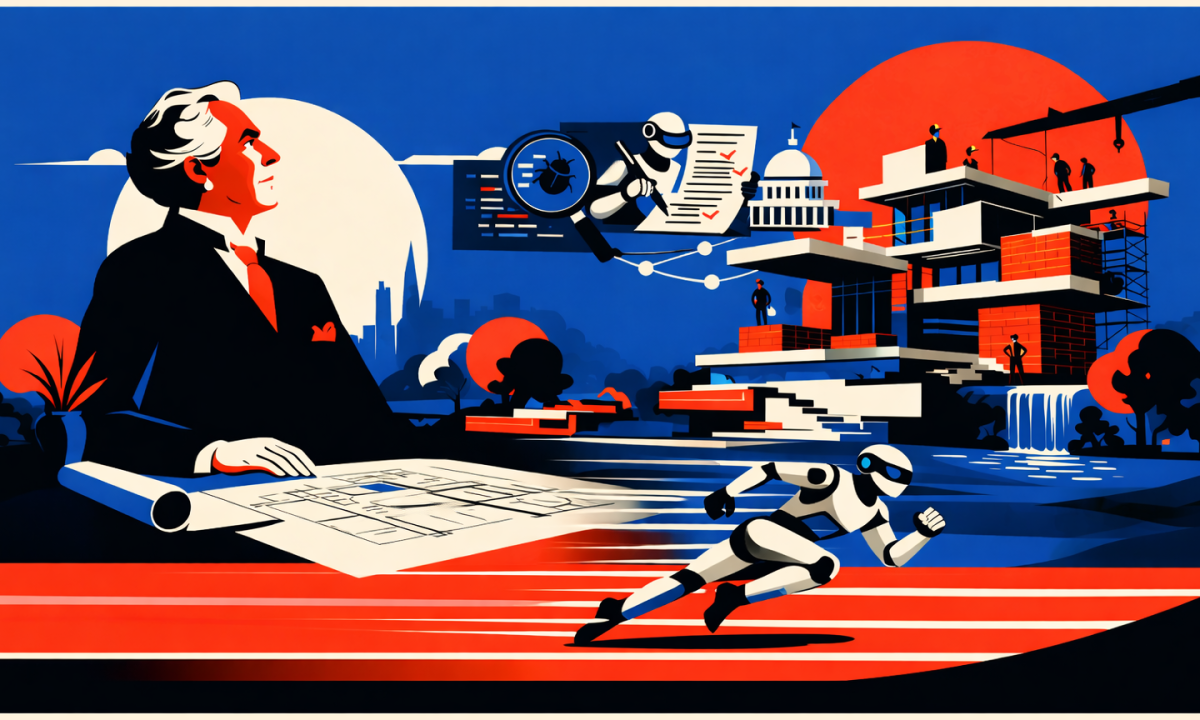
#107 12 Apr 2026
Lots happened this week, and I do not have room for all of it! So, lets start with Glasswing, because it is the clearest sign yet that the AI story is speeding up again. Anthropic’s claim is blunt: frontier models are now good enough at finding serious software vulnerabilities to change the security picture. The same pattern shows up elsewhere. FurtherAI argues that document extraction improves when systems can check and correct their own work, not just parse more aggressively. France’s government open data team is testing MCP as a controlled interface between AI assistants and public data, which looks useful until trust and provenance become the hard part. Microsoft’s future-of-work research lands in a similar place: AI is not just making tasks faster, it is changing how people coordinate, judge, and learn, and the gains are not spreading evenly. Even the Frank Lloyd Wright essay fits. Big visions, however elegant, still depend on power, hierarchy, and self-belief to become real.
#106 5 Apr 2026
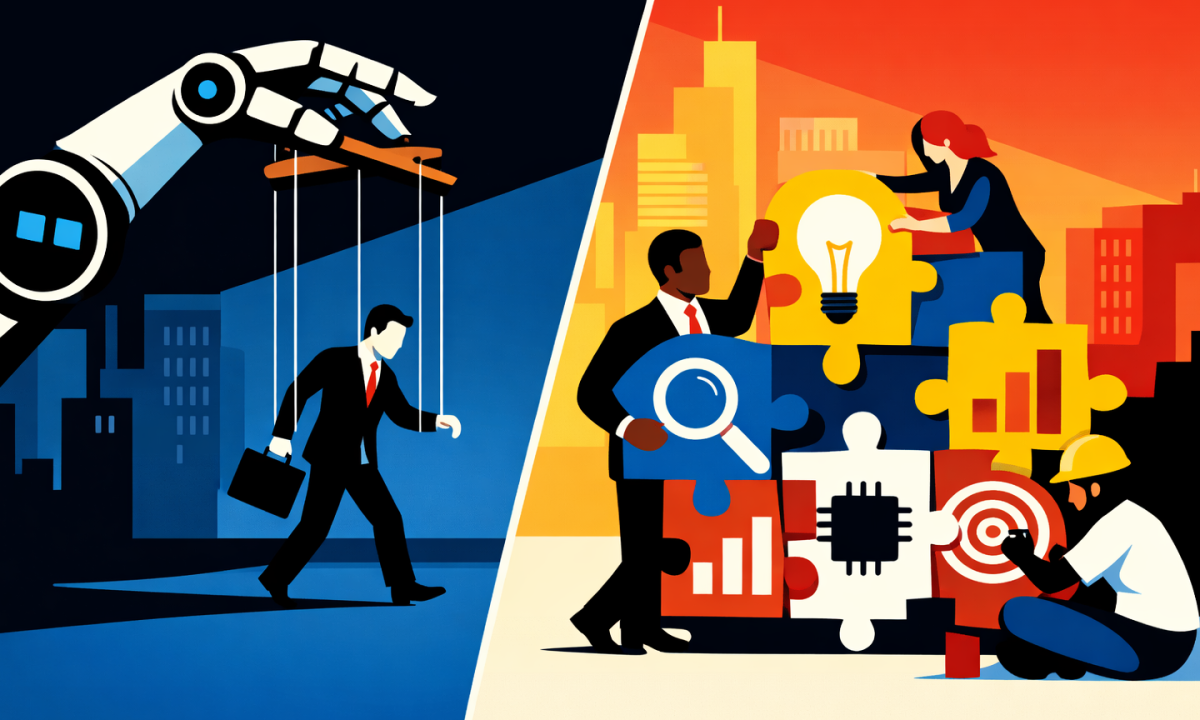
This week at Hitachi Digital Services we published the "Skills are all you need" whitepaper. It starts from a blunt idea: enterprises are scaling AI the wrong way when they treat agents as the product, because that path usually creates more orchestration than ownership. Our argument is that the real unit of scale is the skill: bounded, governed and measurable. That lens made the rest of this week’s reading click into place. Google’s TurboQuant suggests the next advantage may come less from model hype and more from serving efficiency, memory and retrieval economics. A sharp essay on LLM psychology is a useful reminder that fluent systems make people lower their guard and over-credit what is often just polished output. Nicolas Bustamante’s take on vertical SaaS pushes the point further: if chat collapses learned interfaces and workflow lock-in, then some “moats” were really just expensive habits. And Joan Westenberg’s broadside against collaboration culture lands for the same reason: too many organisations confuse coordination with progress, just as too many AI stacks confuse agentic flexibility with real scalability.
#105 29 Mar 2026
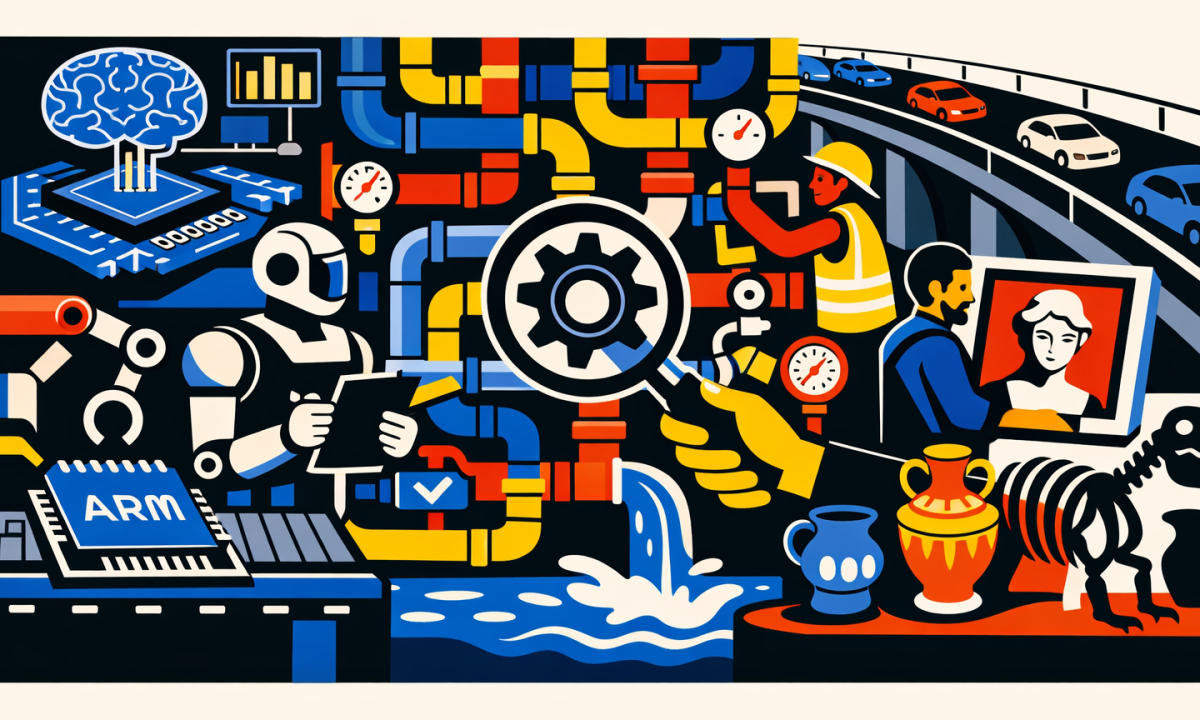
This week’s #RBM theme is straightforward: the interesting stuff isn’t the shiny demo, it’s the plumbing. Google’s TurboQuant looks like a proper cost-cutter for AI memory and retrieval, Karpathy’s autoresearch loop suggests agents will be more useful as tireless lab assistants than robot overlords, and Wine 11 shows how an unglamorous kernel fix can deliver the sort of gains users actually feel. Even Niche Museums makes the same point in its own odd way: good curation beats endless scale. Then there’s Arm, which has stopped being content to sell the blueprint and now wants to ship the silicon too. Different sectors, same story: the real advantage comes from removing friction, tightening the loop, and turning clever ideas into infrastructure.
What you need to read before your busy Monday, published every Sunday
Read Before Monday is a weekly newsletter from Vitor Domingos - with a handful of articles, essays and oddities collected over the week, annotated with a short opinion, and sent before Monday morning.
No breaking news. No ten-thousand-word think pieces. No affiliate links. Just a small, curated and considered list of things worth sitting with.
The next issue lands Sunday evening.
One email a week. No tracking. No ads. Totally free. You can leave any time.