Read Before Monday
From the
Archive

#98 8 Feb 2026
What a weird week this one; with lots of stuff happening in tech, politics and the whole world. We're living in a non-stop hamster wheel. Anyway, here's this week edition of #RBM, with five reads, one theme: interfaces + incentives win. Starting with Claude Code that isn’t just smarter AI; it’s the interface shift from chat to a terminal-native doer. Cool… but commit %s aren’t outcomes, and plausible-but-wrong at scale is a real threat. Then GitHub Actions shows the dark side of convenience: slow UI, painful debugging loops, YAML traps. No wonder own your compute, keep YAML dumb (Buildkite style) feels appealing. Also, how one-pizza engineering with AI moved the bottleneck from coding to product/design clarity, whilst pushing decision-making closer to builders, but raising governance + resilience risks. Nostalgia time; with Ultima IX where subscription cash changes priorities, leadership drifts, trend-chasing ships a Frankenstein. And finally.. Finally! Al Lowe’s Larry stories? Yes please! Mischief works best when it’s cheeky, not hostile. Remember the “go back to life” - Leisure Larry!
#97 1 Feb 2026
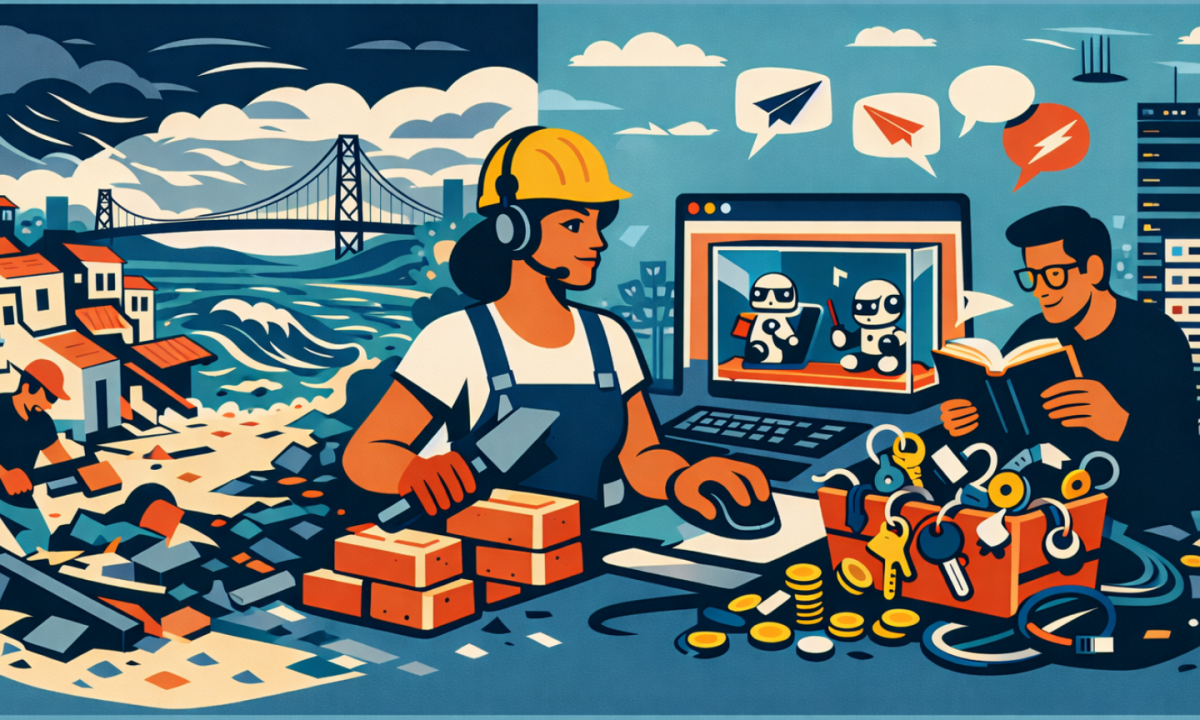
Storm Kristin passed by the area in Portugal where I have family and it was a disaster for everyone - government included. Fortunately nothing major happened to relatives, but several nearby cities got really destroyed. Now it’s time to help and rebuild. But, against that backdrop, this week’s #RBM reading rhymed: the browser is emerging as the pragmatic sandbox for agentic tools, like file-scoped access, strict CSP, workers and WASM, which is good enough to ship real workflows if you accept “Chrome with caveats". Then, OpenClaw happened! It shows what a personal agent can do when it lives on your machine and chats over Telegram: powerful, customisable, and a minefield of keys, costs and governance you have to wire yourself. Moving on to research that keeps us honest: naive delegation hobbles learning, while explanation-seeking preserves understanding with only modest speed gains, so the game isn’t “use AI”, it’s “use it to think”. That pairs with Mollick’s framing: manage AI like a bench of keen juniors, which clear briefs, crisp “done,” staged reviews and you’ll bank compounding wins. And a needed brake: don’t outsource the parts that carry your voice or build your craft; automate drudgery, not identity.
#96 25 Jan 2026
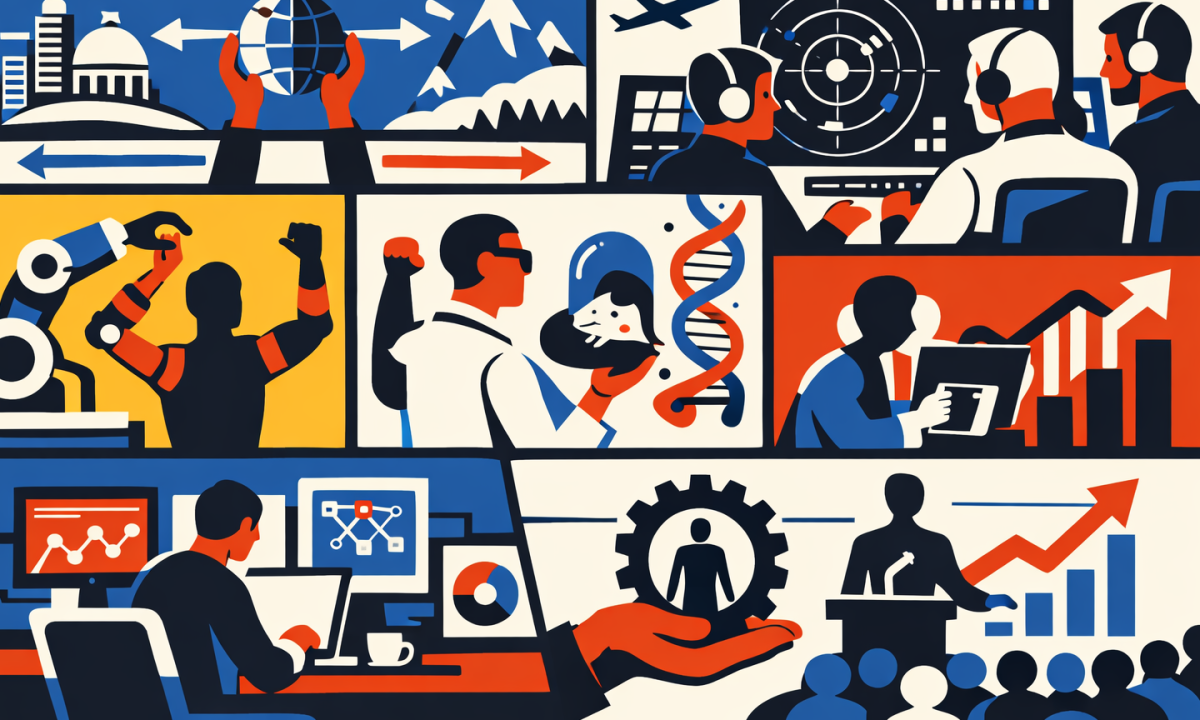
These following weeks have been quite weird with Minneapolis and Davos, but that's the new world order... Going back to what you need to Read Before Monday, we’re seeing the same motif across wildly different fronts: coordination beats cleverness. LLMs can finally surface messy, high-dimensional preferences - great for “hard to describe” markets - yet once every user has an agent, attention becomes the scarce resource and price signals or credits are the boring but necessary brakes. Also, we’ve met this before: the IBM 9020 kept planes apart by designing for operators first and making failover boring, it's pragmatism over purity. Same vibe in prosthetics: AMI rebuilds the body’s paired-muscle loop to restore proprioception; such an elegant idea, now begging for hard numbers and rugged hardware. And Oxford’s magneto-sensitive proteins are properly weird in the best way, but still need in-vivo proof before they’re tools not demos. Through it all, I’m bullish on owning the venue: blogs compound insight while social is just distribution plumbing. Own your domain, ship steadily, design the market - and the system - for the human in the loop.
#95 18 Jan 2026
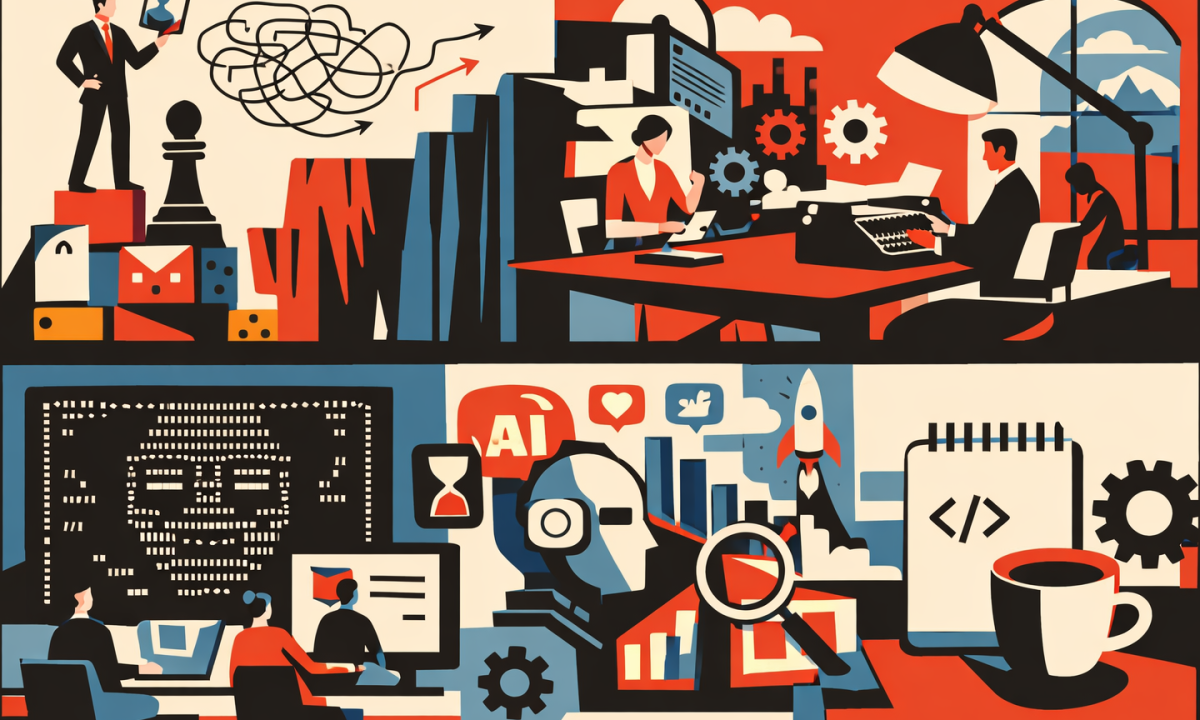
The longest month of the year is halfway through! :) So lets start with... Scott Adams’ story! Which is a messy case study in being world-class at one thing, then spending years trying to outsmart reality into granting you mastery everywhere else, with persuasion-as-identity ending badly when the incentives turn. Then, Olivetti is the gorgeous corporate version of both craft, community, and ambition… right up until market arithmetic and debt start rewriting the values. On the nerdier end, the ASCII rendering post is a perfect example of doing the job properly by respecting the real primitives (glyph shape, not “pixels”), even if it means admitting the cost in complexity. There's also the Reuters Institute report, meanwhile, is the least comforting: search and social shrinking, AI “answer engines” and creators taking discovery, and publishers scrambling towards distinctiveness, video, and human voice, it's sensible, but not soothing. And finally, we have Markdown, quietly winning for decades by being legible, diffable, and “good enough”, is the punchline: boring, open, low-friction tools compound, and they end up steering surprisingly high-stakes systems.
#94 11 Jan 2026
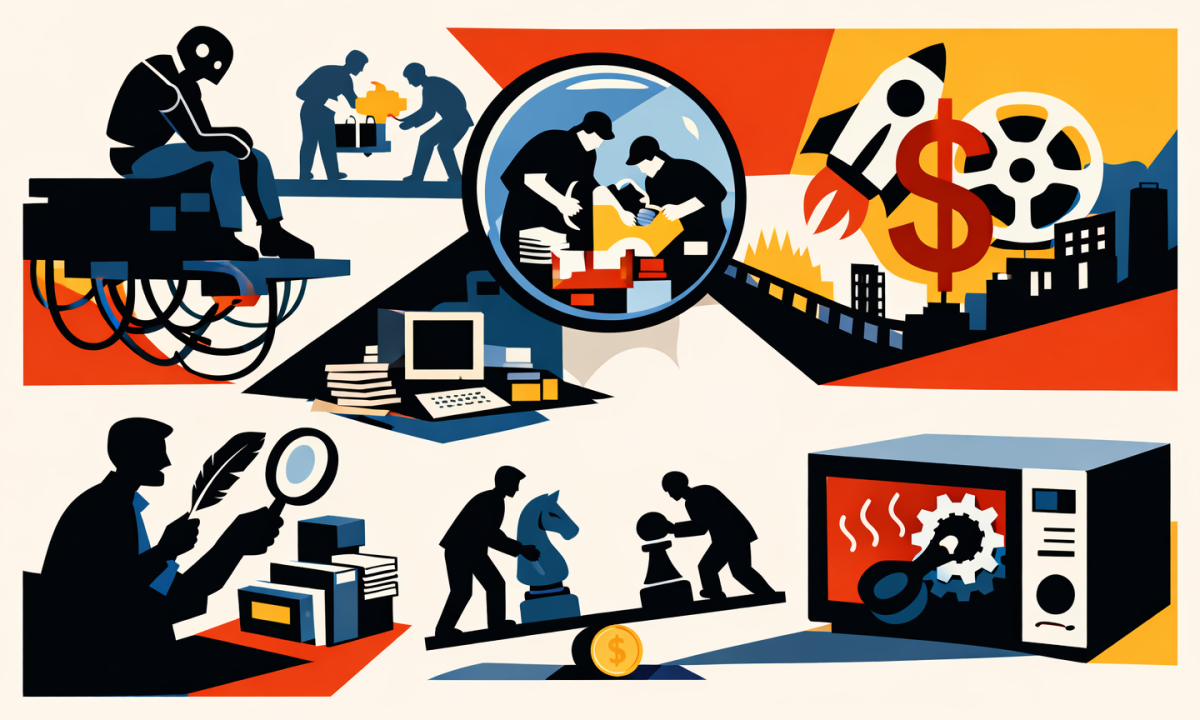
This week's edition is all about reality checks, old ghosts, and the unglamorous work that actually moves the needle. We start with the fact that Agents didn’t “join the workforce” in 2025, where brittle demos met messy integrations, so I’m backing narrower scopes, human-in-the-loop, and unit economics over vibe-based forecasts. We detour into BBS-era creativity to puncture a shaky “first webcomic” claim: great archival sleuthing beats folklore every time. Then, Pixar’s origin tale doubles as a finance lesson, where a narrative arbitrage bought time until fundamentals arrived. On AI history, credit is an incentives market; fix translations, bibliographies and gatekeepers if we want a fuller canon, not a nationalist rewrite. And what about microwaves? Well, that's decades of incremental engineering - not “smart” gimmicks - tamed a cranky magnetron!
#93 4 Jan 2026
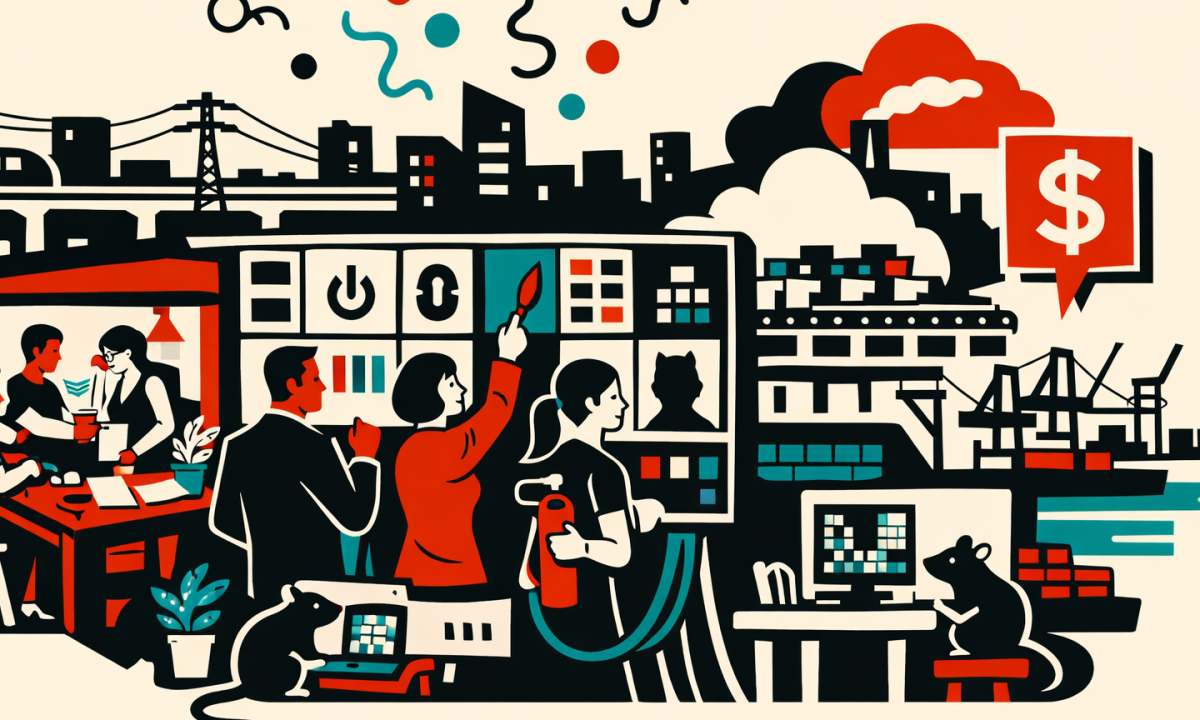
Welcome to 2026! What a strange start, right? We kickoff between TPUs suddenly having a moment, rats legitimately learning to play DOOM, and the internet quietly questioning its own sou... The TPU “vibe-shift” isn’t really about performance so much as power, who controls access, who sets terms, and how much risk you take when your supplier is also your competitor. Rats Play DOOM, meanwhile, is the internet at its best: serious engineering, radical openness, and zero hype, held back only by the unglamorous need for data and validation. Then, a call for hand-built, convivial websites pushes in the same direction, trading scale for agency and reminding us that not everything worth doing should optimise for growth. We then zoom out further, arguing that both AI panic and Western complacency miss the real story: systems win, not vibes, and China’s strength lies in infrastructure and industrial depth, not sci-fi timelines. Bringing it back to the trenches, where LLMs have stopped being magical and started being expensive, brittle, and unavoidable; infrastructure in impact, if not yet in trust. Put together, this all feels like technology growing up: less wonder, more responsibility, fewer shortcuts, and no clear adult supervision in sight.
What you need to read before your busy Monday, published every Sunday
Read Before Monday is a weekly newsletter from Vitor Domingos - with a handful of articles, essays and oddities collected over the week, annotated with a short opinion, and sent before Monday morning.
No breaking news. No ten-thousand-word think pieces. No affiliate links. Just a small, curated and considered list of things worth sitting with.
The next issue lands Sunday evening.
One email a week. No tracking. No ads. Totally free. You can leave any time.