Read Before Monday
From the
Archive
#104 22 Mar 2026
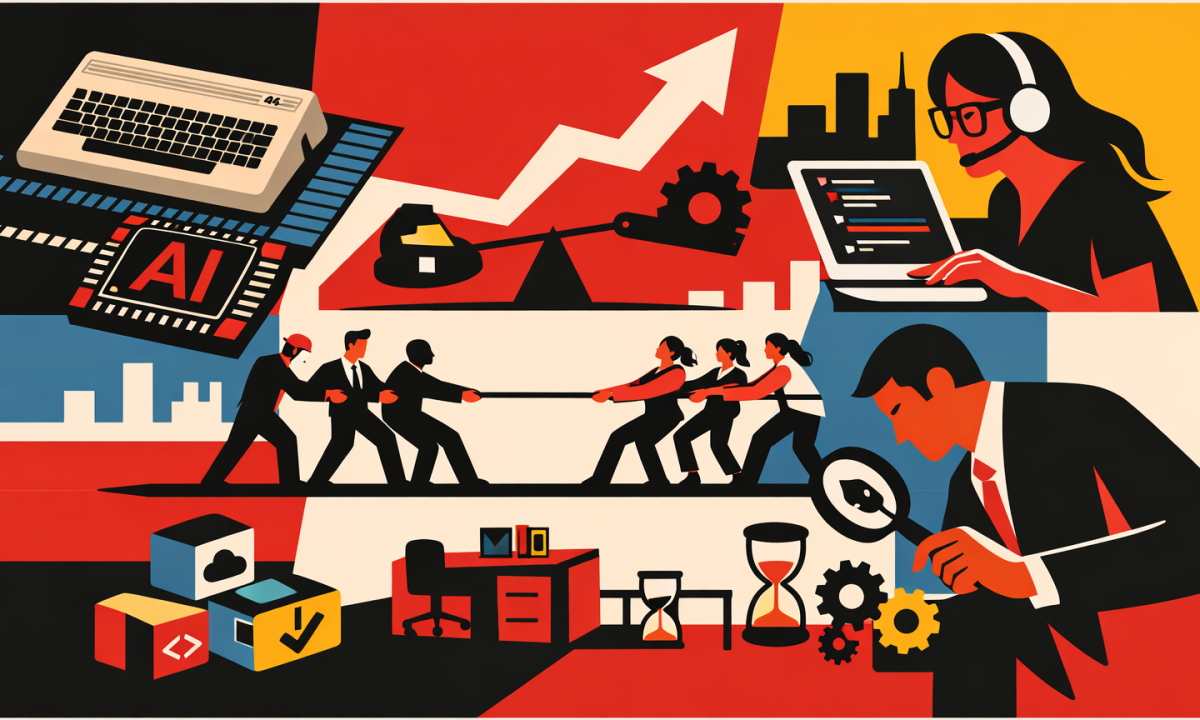
What another weird week… Eh? We’re ‘cooking’ something quite amazing at Hitachi Digital Services that I hope to talk about it soon! Meanwhile, this weeks edition is about how brutal markets keep rewarding execution over elegance: from the home-computer wars, where Commodore proved that price, packaging, and channel control mattered more than lofty educational rhetoric, to Arm’s Cortex X925 finally earning proper desktop credibility through serious core design rather than benchmark theatre, even if the platform story still has to catch up; from Howard Marks’ view that AI is no longer just a clever assistant but an economic force pushing capital, labour, and valuations into new territory, to Noah Smith’s argument that software engineering is losing some of its old aura as AI takes over the repetitive, industrial parts of the craft, though reliability, security, and operational mess still refuse to disappear; and right through to SaaS and low-code, where the real story is not instant extinction but a harsh repricing of convenience, duplication, and abstraction in a world where budgets are shifting, seats are compressing, buyers want outcomes, and AI is making it cheaper to build more things directly in your own stack.
#103 15 Mar 2026
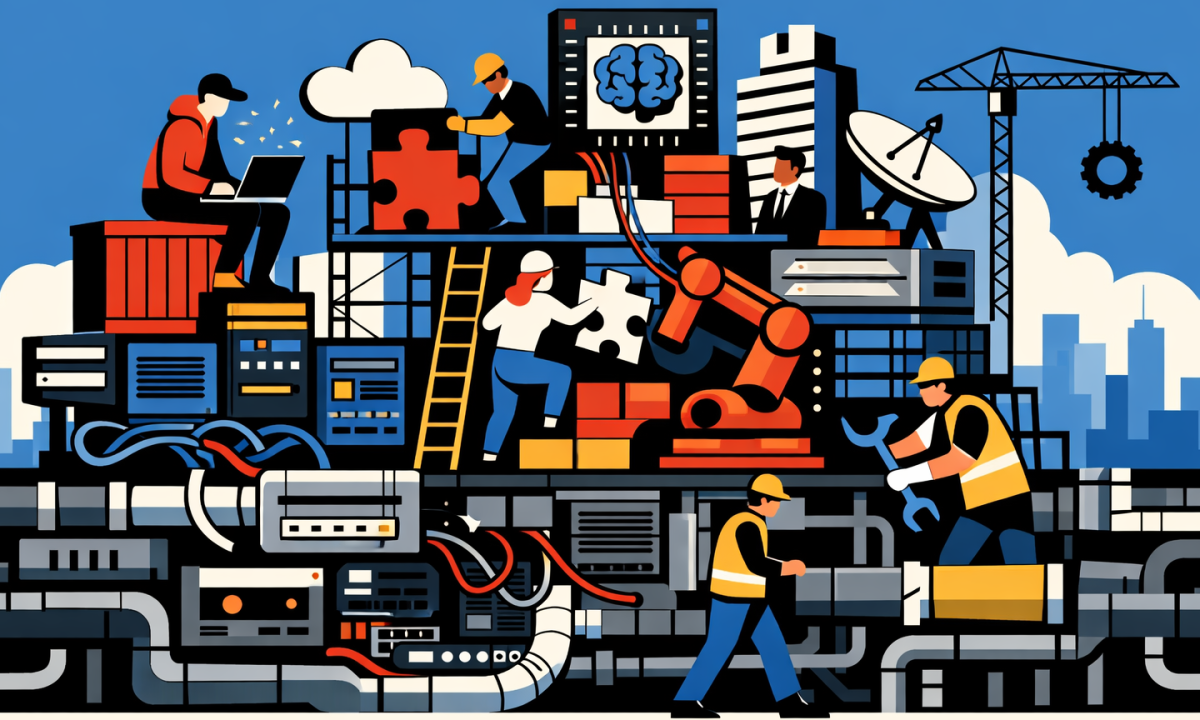
This week my focus has been on the whitepaper "Skills are all you need" that I'll publish soon. Meanwhile here's what's interesting: creativity seems to work better when people stop optimising for looking smart and start shipping rough ideas; starting with Docker, which is a good reminder that the most “obvious” infrastructure usually sits on top of years of ugly systems work; Anthropic’s labour-market piece is useful mainly because it tracks actual AI use rather than jumping straight from capability to job-loss theatre; Sam Henri Gold makes the best case I’ve seen in a while for constrained computers that still expose the full system, because there’s a big difference between hitting technical limits and hitting product limits; and Uber’s AI stack shows where this is all heading inside serious engineering orgs: away from magic-tool hype and towards plumbing, governance, orchestration, and a lot of expensive but necessary scaffolding.

#102 8 Mar 2026
Another week where I spent some time looking at datacenters... But lately I’ve been reading a strange but revealing mix of essays; on luxury watches, AI games, OpenAI’s strategy, Caravaggio, and the home computer boom... and they all seem to point at the same thing: the world rarely rewards the technically best product on merit alone. Paul Graham shows how watches survived by shifting from function to status; Frank Lantz argues that AI can be fascinating without being fun; Benedict Evans asks whether OpenAI has real defensibility or just scale; the home computer story reminds us that consumer tech is often won by pricing, distribution, and timing more than elegant engineering; and even the piece on Caravaggio and Georges de La Tour is really about attention - how certain things shape what we notice and value. Put together, the pattern is hard to miss: performance matters, but attention, meaning, habit, access, and legibility often matter more. That explains why weaker products can win, why powerful technologies can still disappoint, and why scale can look formidable without being secure. Slightly grim, maybe, but it feels like a pretty accurate description of how modern markets and culture actually work.
#101 1 Mar 2026
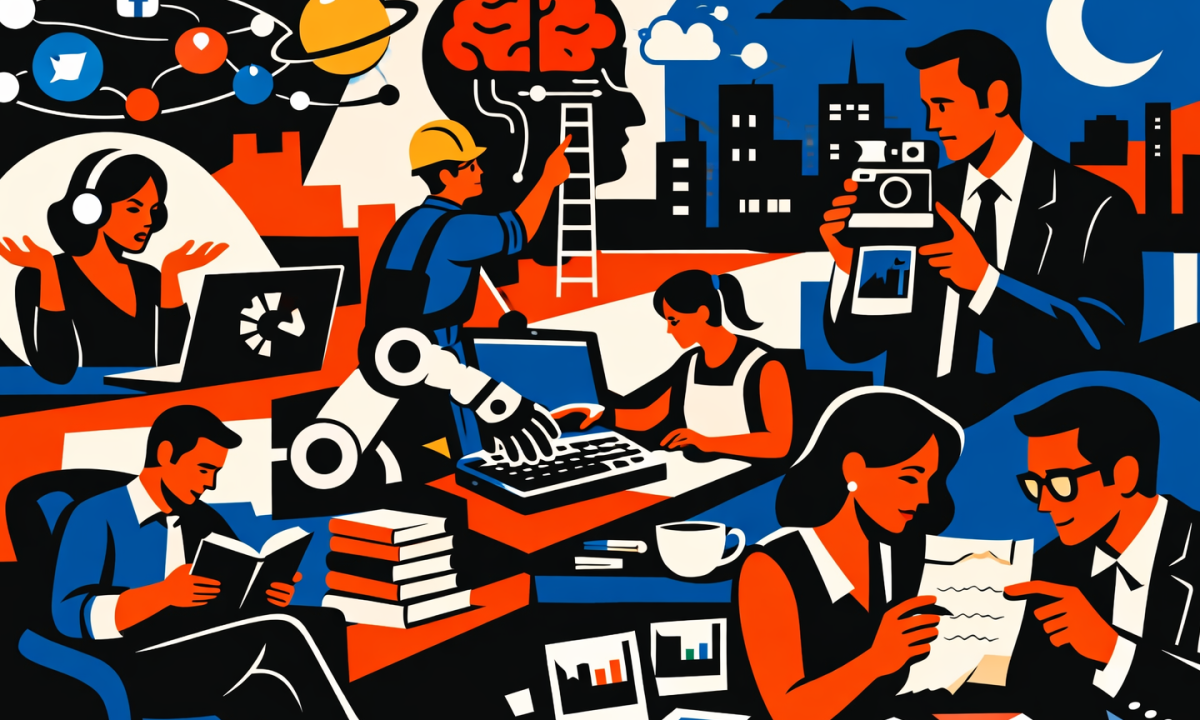
This week I tried to do a LinkedIn live, but it didn't went as planned :) That's technology nowadays... But I’ve been on a bit of a reading binge lately and an unexpected theme kept popping up: we’re living through an era of incredible output… and increasingly fuzzy accountability. So starting with the fediverse world, communication keeps getting treated like content, and when things silently fail, we shrug because we’ve been trained to. In engineering, AI is clearly speeding up the work, but it’s also compressing the learning ladder that used to build intuition. In innovation history, Edwin Land’s instant camera story is a reminder that the spark is rarely the hard part; the hard part is turning conviction into repeatable execution. In the arts, writers with day jobs show the less glamorous truth: creativity isn’t just talent, it’s time, dignity, and decent boundaries. And in maths history, a rediscovered letter reopens the oldest question in knowledge work: who gets the credit, and what happens when they don’t?
#100 22 Feb 2026
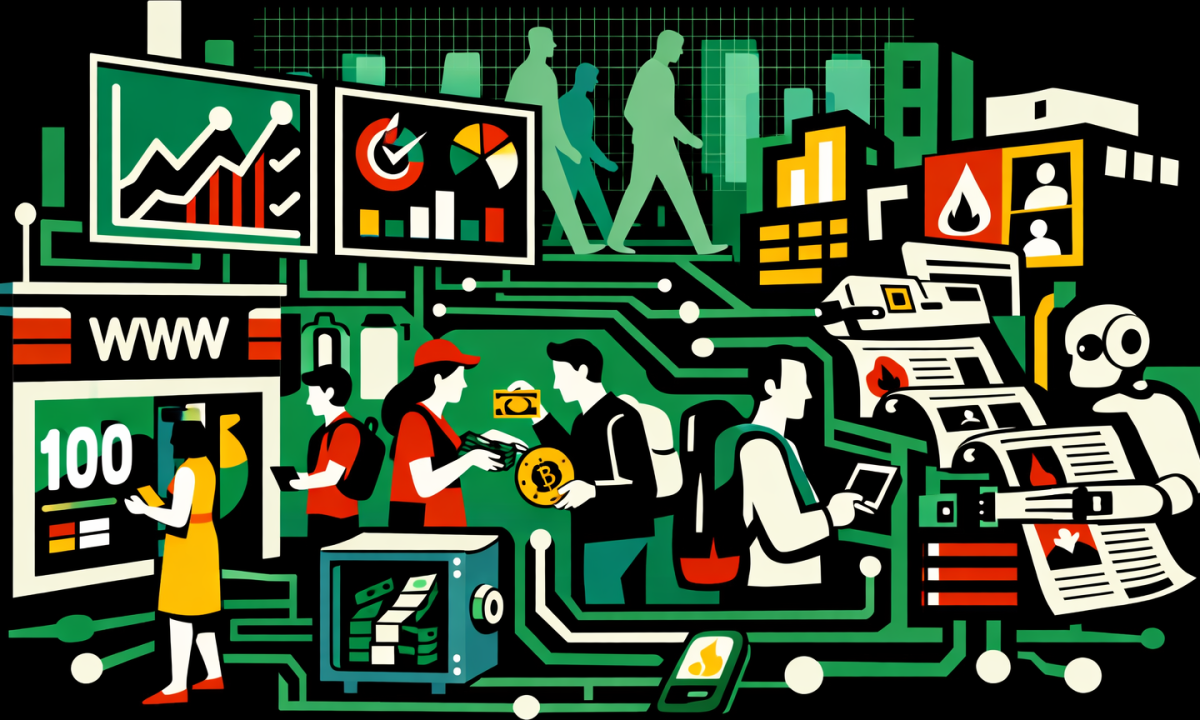
Wow! 2 Years of #RBM! 100 editions! Which means that now I have a website for this newsletter :) Was the best thing I could offer to everyone, so that if you have to subscribe, you can do it from the website - and soon read it from there too. On this edition; a bunch of very different reads have all landed on the same uncomfortable theme: systems that scale don’t just help us. Bloomberg shows money laundering morphing into gig work, with freelancers doing thousands of cash-to-crypto swaps, stitched together by encrypted apps, stablecoins, and a marketplace mentality that’s brutally efficient. A Plan 9 desktop guide sits at the other end of the spectrum, but it’s still about living with constraints. Lorin Hochstein’s Deming vs OKRs piece hits the same nerve in management: dashboards make chaos look controllable, but the real fixes live in the machinery underneath. Then MIT Technology Review zooms out further: prediction has become this invisible layer over daily life, with nudging choices, allocating opportunity, and quietly deciding who benefits. And finally, Shambaugh’s AI-agent incident write-up is the cautionary capstone: once you can automate publishing with weak oversight and fuzzy attribution, reputational damage becomes cheap, fast, and weirdly hard to pin down.
#99 15 Feb 2026
We're closing down to our 2 year anniversary of #RBM - yay! But this week has been a bit of a “how good stuff actually gets made” binge lately. We start with how BeOS is the perfect tragedy - technically audacious (dual CPUs, responsiveness-first, proper multitasking) and still crushed by ecosystem gravity, timing, and the harsh maths of compatibility. Then focus on Paul Graham’s point on taste lands the same way: raw IQ isn’t the differentiator; it’s the practiced ability to spot what’s better, iterate hard, and not confuse trendiness with quality. Zoom out and you see the US doing the macro version of this with AI - throwing over $1T annualised at data centres, compute, and software, while importing a huge chunk of the kit and hoping productivity shows up before the bill does. Also, there’s Wall Street Raider, a wonderfully feral reminder that rewriting is a graveyard and that “wrap it, don’t rip it out” is sometimes the most grown-up engineering move you can make. And Zechner’s “pi” caps it off with the same philosophy applied to coding agents: fewer moving parts, more observability, less magic, and tools you can actually trust day to day.
What you need to read before your busy Monday, published every Sunday
Read Before Monday is a weekly newsletter from Vitor Domingos - with a handful of articles, essays and oddities collected over the week, annotated with a short opinion, and sent before Monday morning.
No breaking news. No ten-thousand-word think pieces. No affiliate links. Just a small, curated and considered list of things worth sitting with.
The next issue lands Sunday evening.
One email a week. No tracking. No ads. Totally free. You can leave any time.