This week we understood the efforts Amazon is doing to kill Alexa, I’ve did a #NAT video about FEMA (Failure Mode and Effect Analysis) and its complexity and applicability in the DevOps and Observability world, figure out that GitHub Copilot is top pick for coders, got a bunch of details from the German FOIS regarding GenAI and its security risk, but also about Misinformation and how to detect it. Today’s #RBM edition is going to be a mix of throwback / nostalgic week with a lot of retro tech and in-depth analysis of it, but also an interesting framework for Product-Market Fit. We’ll also understand how Riot Game is dealing with cheating and why journalism in the digital age is suffering. Now on to retro tech; it’s all about Etak – the navigator, Novell and two oldies; the Olivetti M10 and the NEC PC-8201A. On yeah, and the end of Z80.
In this issue
6 piecesThis article from Sequoia Capital outlines a framework for understanding product-market fit (PMF)
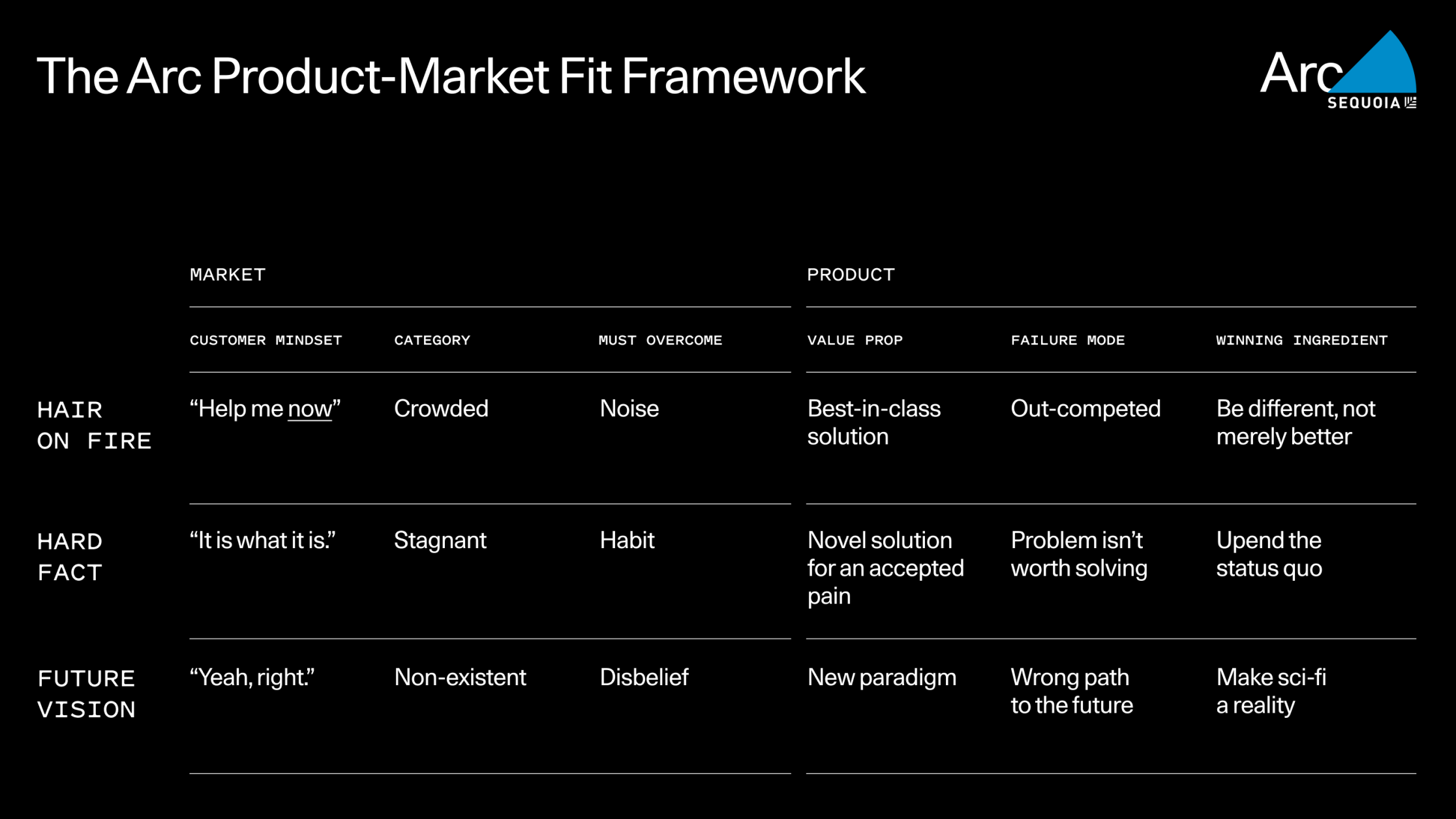
through three distinct archetypes: "Hair on Fire," where products meet urgent needs in competitive markets; "Hard Fact," where products address accepted inconveniences with innovative solutions; and "Future Vision," where products bring to life what once seemed like science fiction. Each archetype requires different strategies and operational focuses to succeed in the market, offering a structured approach for startups to identify and pursue their most suitable path to PMF.
in another generation, when I had my own startup, I did several presentations about building products, services and platforms. We even had a public presentation for YC and some VC's back then. So, this framework for PMF is a cool start for those building things. Sequoia haven been around long enough in tech to tell what works and not. Back then 7syntax was on the future vision path, but we weren't strong enough to succeed - also have lots of presentations about failures!
The integration of Riot Games' Vanguard anti-cheat system into League of Legends

, is aimed at dramatically reducing cheating through advanced security measures. Vanguard will enforce stricter system requirements and employ a mix of preventative and detective measures to tackle cheats. The deployment of Vanguard in League of Legends highlights an aggressive approach to preserve game integrity, emphasizing a technology-driven strategy to curtail cheating activities effectively.
cheating is part of the game, isn't it? As humans we try to defeat the 'machine' by understanding the pattern, then exploring options and making it work to overcome obstacles. Tackling cheating is going to be interesting with GenAI/AI where the 'machine' can figure out patterns and avoid them faster than us - humans.
This article revolves around utilizing two 1983 portable computers, an Olivetti M10 and a NEC PC-8201A
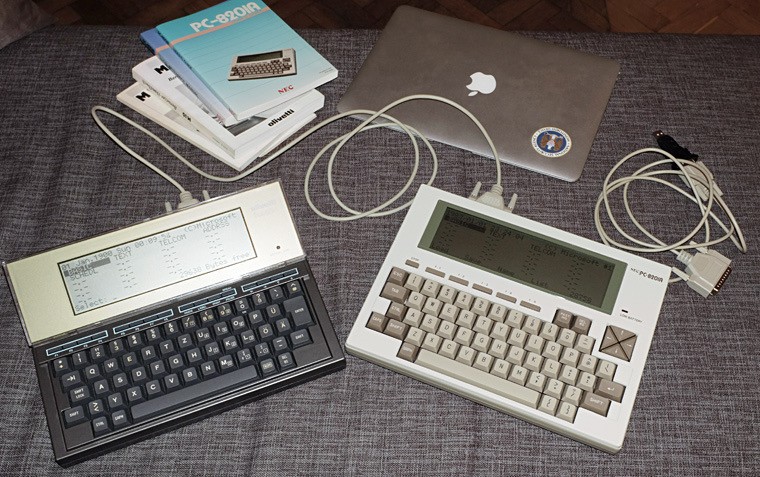
, to develop a cross-platform version of the Maze War game using Microsoft BASIC. Key to the project is addressing the differences between the machines, such as graphics capabilities and command sets, to ensure compatibility. The detailed blog series captures the technical nuances, the process of software development, and the challenges of making a game function across similar yet distinct hardware platforms. The series also includes broader reflections on the vintage computing experience.
one of the things that happens when you're old is that you've been around since most of the beginning of modern tech and some of these retro stuff is quite interesting again, firstly because now you understand it better, you have fond memories of it and you have the money to invest in it - which back then you needed parents sponsorship :) But recently one my favorite chips is at the end of life; the Z80 from Zilog, which powered my Sinclair ZX Spectrum.
Map Happenings details the story of the Etak Navigator , the world's first practical vehicle navigation system
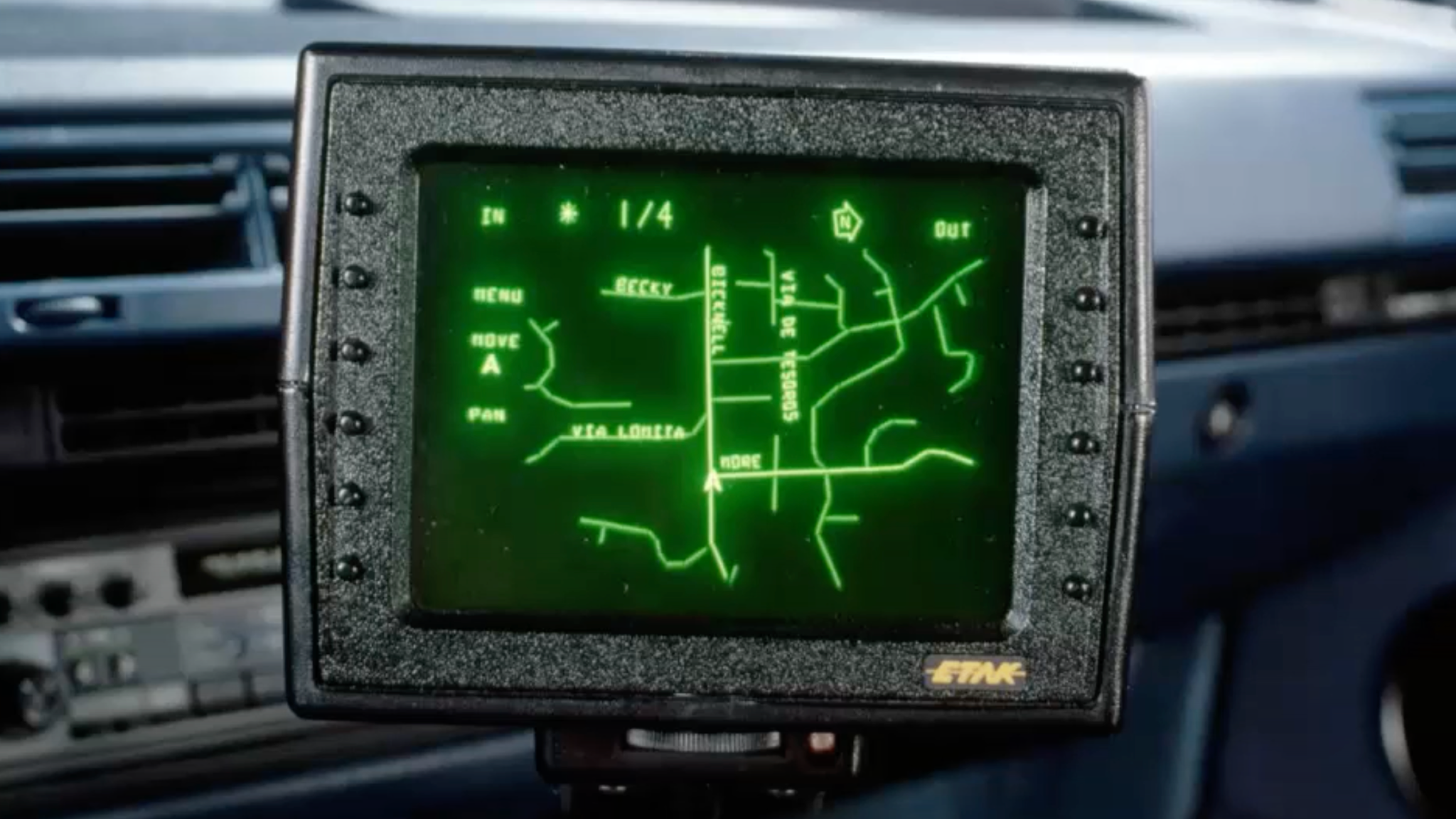
, launched in 1985. It emphasizes Etak's innovative technologies such as augmented dead reckoning, a heads-up display, and the first use of geocoding in consumer devices. The piece highlights the challenges of pre-GPS navigation technology and Etak's pioneering role in digital map creation and storage, underscoring its influence on modern navigation systems.
I never had the Etak, but I've heard of it before, and I bet it was a source of inspiration for The Matrix (the movie). This article is so interesting to me, since one of my early tech projects was actually a map navigator that I did to aid my dad - who is a civil engineer. Another piece of retro tech worth understanding and learning!
Here's an in-depth history of Novell, detailing its inception, growth, and innovations,
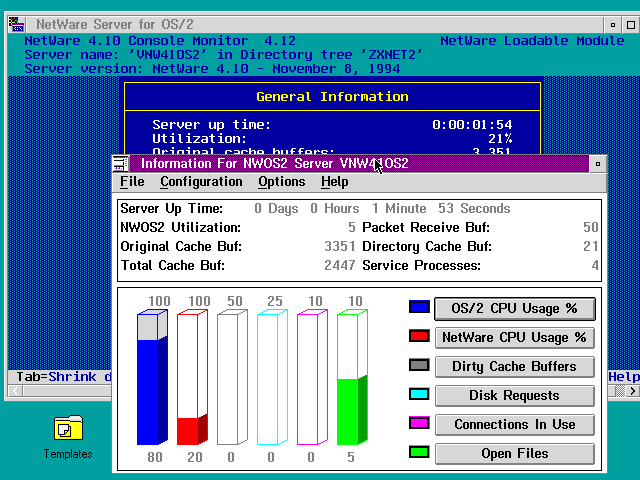
particularly in network operating systems like NetWare. It highlights key developments and strategic decisions, including leadership changes and product launches, that shaped Novell's influence in the tech industry. The narrative follows Novell's transitions through various business phases, touching on major acquisitions and the eventual shift towards services with the purchase of companies like SUSE. The piece also discusses the challenges Novell faced against competitors like Microsoft and its ultimate acquisition by Attachmate.
I couldn't end this edition without another piece of retro tech, now Novell - remember that? The pain and suffering that was back then, and then even more when they bought SUSE... Oh boy :)
Journalism in the Digital Age is a project from Stanford that examines the evolution of journalism

, focusing on its role as the Fourth Estate and its shifting dynamics due to the rise of digital platforms. It delves into historical perspectives of print journalism, the economic impacts on the media industry, and how internet-based media are reshaping news dissemination and journalistic standards. The project includes insights from interviews with journalists who are navigating these changes, providing real-world views on the challenges and transformations within the field.
I'm a registered member of the press in the UK - as a producer, you might wonder. But I do believe that journalism - as we know it - is going to die. We currently went from serious journalism, investigative, informative, to reality journalism, immediate, shocking and delivering what the audience wants. I've always been delivering, building and doing content for me first, then if my audience likes it, that's cool, if they don't, well, they have more choices. Informing people because you have something to say or there's something important to be said is the definition of journalism for me and not delivering what they want to hear or listen to. But I understand the complexity and cross-roads of media now.
Last Week in AI
- AI traces mysterious metastatic cancers to their source - amazing! | nature.com
- Hallucinations of AI Science Models - yeap, we need to be careful! | johndcook.com
- Microsoft’s New AI Makes Convincing Deepfakes Worryingly Easy - ooopsies! | inverse.com
- Meta Llama 3 - is here and it's quite cool! | llama.meta.com
- Can LLMs Critique and Iterate on Their Own Outputs? - good read to better understand it | evjang.com
- Responsible and trusted AI; Cloud Adoption Framework - Microsoft is doing a good job here! | learn.microsoft.com
- Scaling AI Model Deployment - great breakdown of several types of deployments | bentoml.com
- How We Ensure Stable Storage for LLM Training in Multi-Cloud Architecture - quite technical but good read! | juicefs.com
- How I use LLMs to program - me too! | probablydance.com