This week #RBM is about fetal kicks logged in apps to forgotten memes preserved in digital museums, where our lives are increasingly mediated by technologies that both cradle and commodify us. Amanda Hess’s memoir on digital motherhood reveals how the same platforms that offer support can also monetise our fears. Miyazaki’s early cartoon pandas show how play evolves into poetry, while a newsroom’s AI rollout blurs the line between productivity and surveillance. We’ll also go through the culture and the quiet labour behind open-source software, holding the web together. If you’re curious about the stories beneath the screen, where human instincts meet algorithmic intent, this one’s for you. Ah, you also have the ThisWeekInGenAI built-in.
In this issue
5 piecesAmanda Hess’s memoir Second Life: Having a Child in the Digital Age examines how digital tools, from period‑tracking apps to smart baby gadgets, shape modern pregnancy and parenthood.
Drawing on her own medically complex experience, Hess shows how online communities can provide vital support yet also spread misinformation, amplify anxiety, and commodify parental fear through targeted ads and surveillance products.
What a collective techno‑pregnancy zeitgeist, right? I mean, the “eerie friend” tone of period‑app notifications is funny, but felt the knot in my stomach imagining a world where every flutter of fetal data is another ad slot. The same web that sells fear also hosts communities that cradle you through the unknown. Hess reminds me that motherhood isn’t an algorithm, and maybe our reliance on screens is just a symptom of craving real human connection, and it offers strategic insights for healthcare leaders and femtech entrepreneurs. Healthcare organisations should integrate digital platforms with clinical pathways, ensuring apps acknowledge complex outcomes and link users to vetted resources. Meanwhile, femtech firms must balance data monetisation with genuine empowerment, incorporating user‑driven feedback loops and inclusive design to foster trust.
The Animation Obsessive article “ Totoro Before Totoro ” explores Hayao Miyazaki’s early work on the 1972
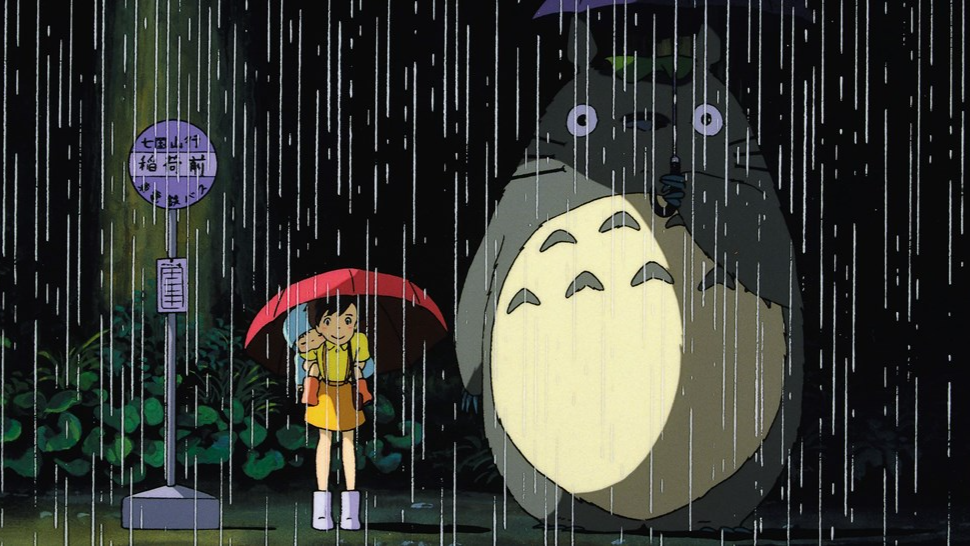
short Panda! Go, Panda! as a prototype for themes and character designs that later matured in My Neighbor Totoro. It highlights how the spirited orphan girl, playful pandas, and natural settings in those early cartoons prefigure Totoro’s gentle magic and child‑centered storytelling.
Totoro Before Totoro feels like unearthing Miyazaki’s sketchbook whispers, those playful pandas tossing their bamboo like story seeds that would one day bloom into Totoro’s forest lullabies. So charming to see how slapstick animal antics morph into serene, almost spiritual encounters under a camphor tree. Bottom line, this article offers a concise case study in creative incubation. Miyazaki’s early Panda! Go, Panda! demonstrates how iterative storytelling, through animal-centric narratives and strong child characters, prefigured Studio Ghibli’s later brand differentiation in a crowded animation market. For industry strategists, this shows the value of prototyping thematic and visual motifs early, allowing gradual refinement into a signature intellectual property. For me, Miyazaki’s collaboration with Takahata highlights the strategic advantage of co‑creative partnerships in nurturing distinctive content.
Business Insider has rolled out an enterprise version of ChatGPT to all employees and is actively tracking usage metric

s, with roughly 70% of staff “using the tool regularly.” Management publicly celebrates top “power users,” sparking unease among editorial union members concerned about surveillance and data collection without prior disclosure.
It’s a bit ironic that an AI designed to feel like a friendly assistant now moonlights as a workplace tattletale. I can’t help picturing the less tech‑inclined hiding in corners, hoping their every prompt isn’t charted on the next leaderboard. We do crave tools to lighten our load, yet balk at metrics that feel like performance policing. The deployment of enterprise ChatGPT paired with usage tracking builds the need for transparent change management. We need to articulate clear value propositions, aligning AI tools with editorial workflows while safeguarding trust through explicit data‑use policies. Strategically, they should leverage analytics to identify adoption gaps, tailor support, and evolve performance frameworks that reward meaningful outcomes over raw usage counts.
Neal.fun’s “ Internet Artifacts ” is an interactive, scroll‑driven timeline that presents landmark moments and objects in the evolution of the internet
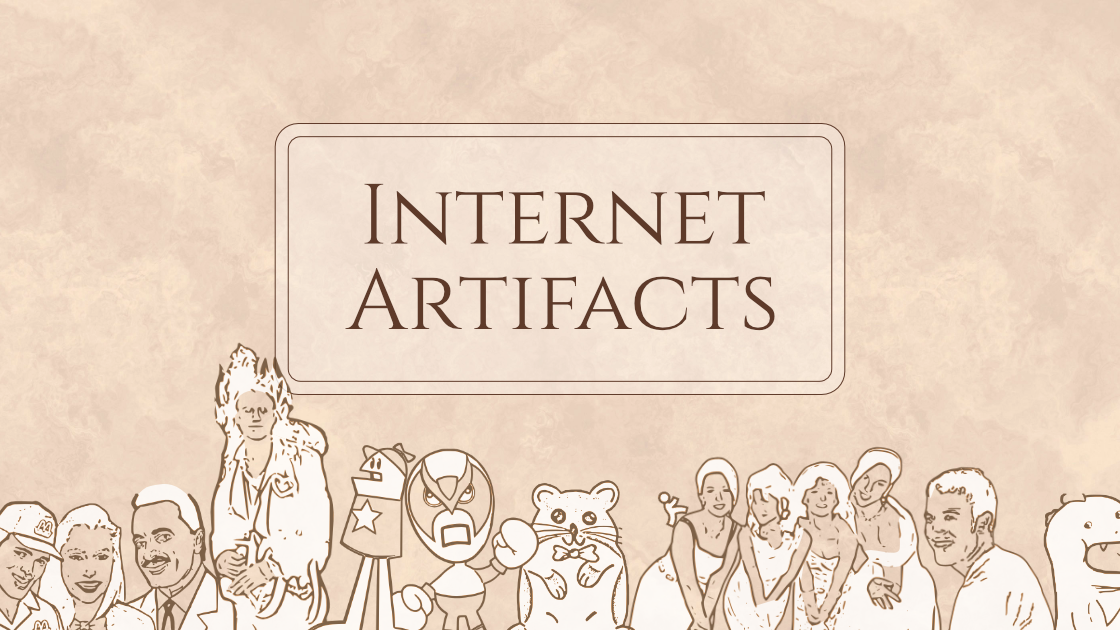
, from the 1977 ARPANET map to the 2007 launch of the iPhone as an “Internet Communicator". Each entry combines a succinct description, context on its significance, and archival images or media (many drawn from the Internet Archive), allowing users to “touch” and explore pivotal innovations, memes, platforms, and cultural phenomena that shaped online life.
This is literally strolling through a digital museum curated by your most nostalgic friend, but one that I've lived through! Each plaque sparks my memory; dial‑up beeps or the thrill of discovering a new meme. Remember the dancing 3D baby? A webcam pointed at coffee? A pixel grid for ads? This grew into entire industries and cultures, and I, as many of you too, were there! The web wasn’t built in Silicon Valley alone; it was crowdsourced by geeks, artists, pranksters, and dreamers everywhere. So there are some strategic lessons for policymakers and entrepreneurs emerge: invest in open protocols (as ARPANET did), foster grassroots creativity (memes and personal blogs), and anticipate that seemingly trivial demos can catalyse new industries.
Chris Krycho’s keynote “ Infrastructure, Common Goods, and the Future of Open Source Software ” frames widely used open‑source project
s, exemplified by the 2021 Log4j vulnerability, as critical digital infrastructure that operates as a public good yet relies on unpaid, anarchic volunteer labor . He contrasts traditional infrastructure funding and governance with open‑source’s decentralised, non‑market creation, highlighting the mismatch between infinite reuse of code and finite maintainer time.
This talk feels like a wake‑up call for anyone who’s ever enjoyed a seamless app update without a thought to the invisible heroes behind it. I love the paradox: code that can multiply endlessly but exhaustion that can’t. Krycho’s invitation to imagine Mondragon‑style co‑ops or penny‑from‑everyone collectives made me smile: maybe our next big startup isn’t a flashy app but a builder’s mutual fund, pooling tiny contributions for the keepers of our digital commons. Let’s cherish open source not just in code but with coins and care.
Last Week in AI
- OpenAI launches Codex, an AI coding agent, in ChatGPT | substack.com
- Hugging Face releases a free Operator-like agentic AI tool | huggingface.co
- Lightricks shakes up AI video creation with powerful open-source model | substack.com
- Netflix will show generative AI ads midway through streams in 2026 | arstechnica.com
- OpenAI Launches HealthBench, a Dataset That Benchmarks Health Care AI Models | openai.com
- Why Did Grok Start Talking About ‘White Genocide’? | 404media.co