This week’s #RBM deep dive spans hidden histories, digital fingerprints, AI awakenings, and paradigm shifts; from Hernando Barragán’s under-credited role in Arduino’s origin story to Bill Gates’ stealthy imprint in early BASIC code, it’s clear that tech’s evolution is riddled with overlooked voices and personal imprints. Meanwhile, AI continues its rapid ascent, but as Scott Werner warns, speed without structure threatens knowledge work as we know it. Arvind Narayanan and Sayash Kapoor offer a calmer lens, urging us to see AI not as a supervillain-in-waiting but as the next electricity; powerful, but ultimately human-shaped. And just when we catch our breath, DeepMind’s Silver and Sutton shift the ground again, envisioning AI that learns not from us, but through its own lived digital experiences.
In this issue
5 piecesThe Untold History of Arduino , authored by Hernando Barragán, offers a detailed account of the origins of Arduino, emphasising the foundational role of his own project,
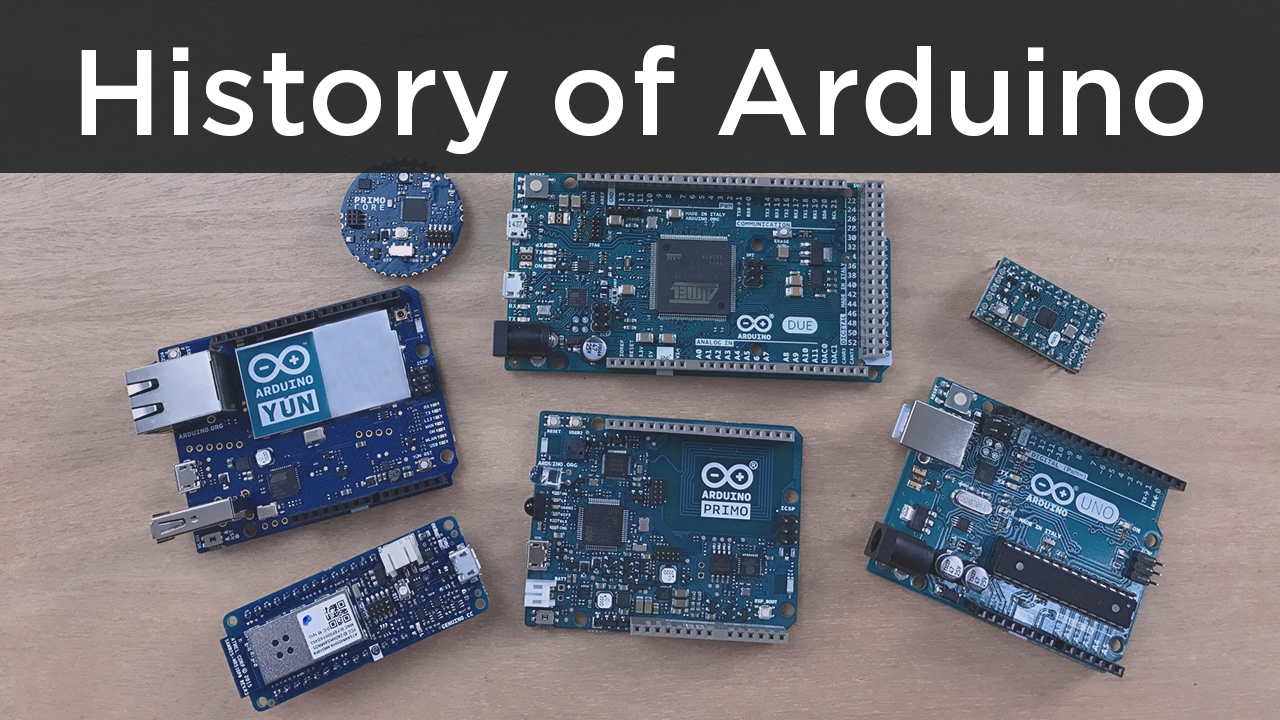
Wiring. Developed in 2003 as Barragán’s Master’s thesis at the Interaction Design Institute Ivrea (IDII), Wiring aimed to simplify electronics prototyping for designers and artists by providing an integrated development environment (IDE), a user-friendly programming language, and hardware based on the ATmega128 microcontroller. Supervised by Massimo Banzi and Casey Reas, Wiring was designed to abstract the complexities of electronics, making it more accessible to non-engineers.
We start this week with an hidden chapter in the story of Arduino! This is where innovation often involves a tapestry of contributions, some of which may fade into obscurity without proper acknowledgment. This article gets the importance of crediting foundational work, especially in open-source communities where collaboration is key. It’s a shoutout to ensure that the narratives we construct around technological advancements are inclusive and accurate, honouring all voices that contribute to progress. Yet, the transition from Wiring to Arduino exemplifies how academic projects can evolve into commercial ventures, raising questions about attribution and recognition. For organisations, this case underscores the necessity of establishing clear agreements and communication channels when adapting or building upon existing work. Ensuring proper credit not only fosters trust but also upholds the ethical standards essential for sustainable innovation ecosystems.
The article “ Bill Gates’ Personal Easter Eggs in 8 Bit BASIC ” by Michael Steil delves into the hidden messages embedded within early Microsoft BASIC interpreters.
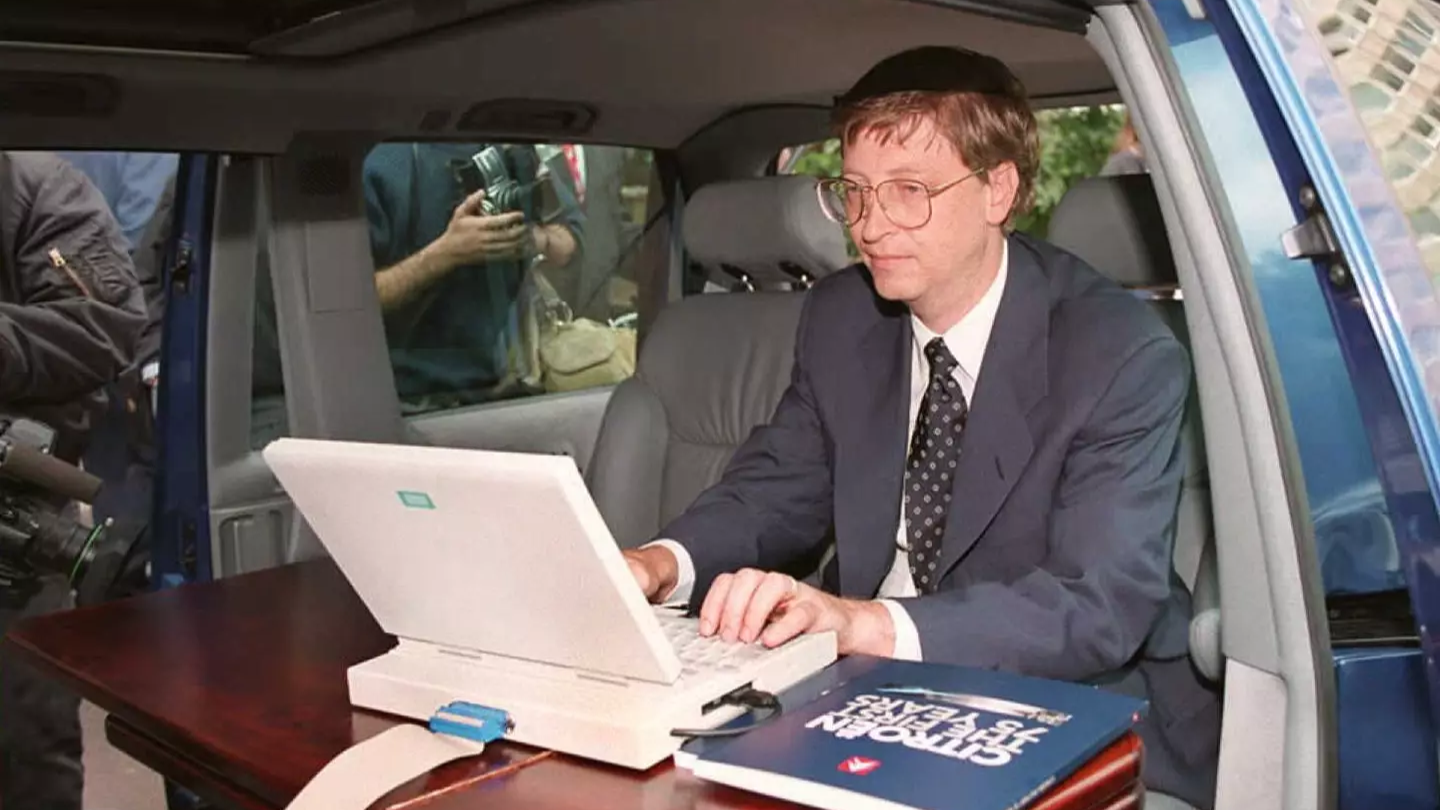
A notable example is the Commodore PET’s BASIC V2, where entering “WAIT 6502,1” reveals the string “MICROSOFT!” on the screen. This easter egg is believed to have been inserted by Bill Gates himself, possibly as a subtle assertion of authorship following a disagreement with Commodore’s founder, Jack Tramie.
Second nostalgic post... Now we discover that early software contained hidden messages - you know, the easter eggs! Feels like unearthing digital time capsules. The “WAIT 6502,1” command revealing “MICROSOFT!” is the personal imprint developers leave in their creations. These easter eggs were perhaps a way for programmers to assert identity and pride in their work. Today, as software becomes increasingly complex and collaborative, these personal touches remind us of a time when individual contributions were more visibly etched into the code.
Scott Werner’s article, “ The Coming Knowledge-Work Supply-Chain Crisis, ” explores the transformative impact of AI on knowledge work.

He argues that AI’s rapid advancement is outpacing our preparedness, leading to a potential crisis in the knowledge work sector. Werner emphasizes that while AI can enhance productivity, it also introduces challenges in quality control, accountability, and the potential devaluation of human expertise.
This is somewhat a wake up call... the allure of AI’s capabilities are undeniable, but it’s a double-edged sword. We risk becoming so enamoured with efficiency that we overlook the importance of human judgment and critical thinking. It’s reminiscent of past industrial revolutions where the focus on productivity sometimes came at the expense of quality and human value. Werner’s analysis underscores a pivotal challenge for organisations: integrating AI into knowledge work without compromising quality and accountability. As AI systems become more prevalent, businesses must establish robust frameworks for oversight, ensuring that AI augments rather than undermines human expertise. This involves investing in training, developing clear protocols for AI usage, and fostering a culture that values critical evaluation of AI outputs.
Arvind Narayanan and Sayash Kapoor’s essay, “ AI as Normal Technology, ” challenges prevailing narratives that depict artificial intelligence as an imminent superintelligent force.
Instead, they propose viewing AI as a “normal technology,” akin to electricity or the internet—transformative yet fundamentally controllable. This perspective emphasises that AI’s societal impacts will unfold gradually over decades, influenced by human institutions and decisions rather than by autonomous technological evolution.
What a breath of fresh air, amidst the often sensationalised discourse on AI. By framing AI as a “normal technology,” Narayanan and Kapoor ground the conversation in reality, steering it away from dystopian fantasies. AI holds immense potential, it’s ultimately a human-made tool, subject to our control and decisions - this perspective encourages a more measured, responsible approach to AI integration, focusing on resilience and adaptability rather than fear-driven policies. Perhaps it’s time we embrace the ordinary, and in doing so, manage the extraordinary more effectively.
DeepMind researchers David Silver and Richard S. Sutton, in their paper “ Welcome to the Era of Experience, ” propose a paradigm shift in artificial intelligence development.

They argue that AI has reached a plateau by relying predominantly on human-generated data, as seen in large language models. To achieve superhuman intelligence, they advocate for a transition to AI systems that learn through their own experiences, interacting with environments to generate data and improve autonomously.
This is a first here... Let's review a paper :) This idea of machines learning through experience, much like humans, is both exhilarating and daunting. It challenges our traditional notions of intelligence and raises profound questions about autonomy, ethics, and control. Silver and Sutton’s proposition marks a significant shift in AI development, emphasising the transition from data-driven to experience-driven learning. I think this approach aligns with the principles of reinforcement learning, where agents improve through interaction with their environment. The success of systems like AlphaProof underscores the potential of this paradigm. However, implementing such systems at scale presents engineering challenges, including environment modelling, reward signal design, and ensuring system stability. As we advance, interdisciplinary collaboration will be essential to address these challenges and harness the full potential of experiential AI.
Last Week in AI
- Apple Explores AI Search for Safari as Google Deal Faces Legal Scrutiny | pcmag.com
- From hype to habits: Comparing data on generative AI in law firms | nydailyrecord.com
- New study explores role of generative AI in using copyrighted material | techxplore.com
- Generative AI in DevOps Research Report 2025-2034: Market to Grow by Over $50 Billion Amid Automation and AI Adoption, Despite Job Displacement Concerns | globenewswire.com
- Perplexity AI’s quiet coup | computerworld.com
- Microsoft Adopts A2A Protocol, Agentic AI Era Begins | cloudwars.com