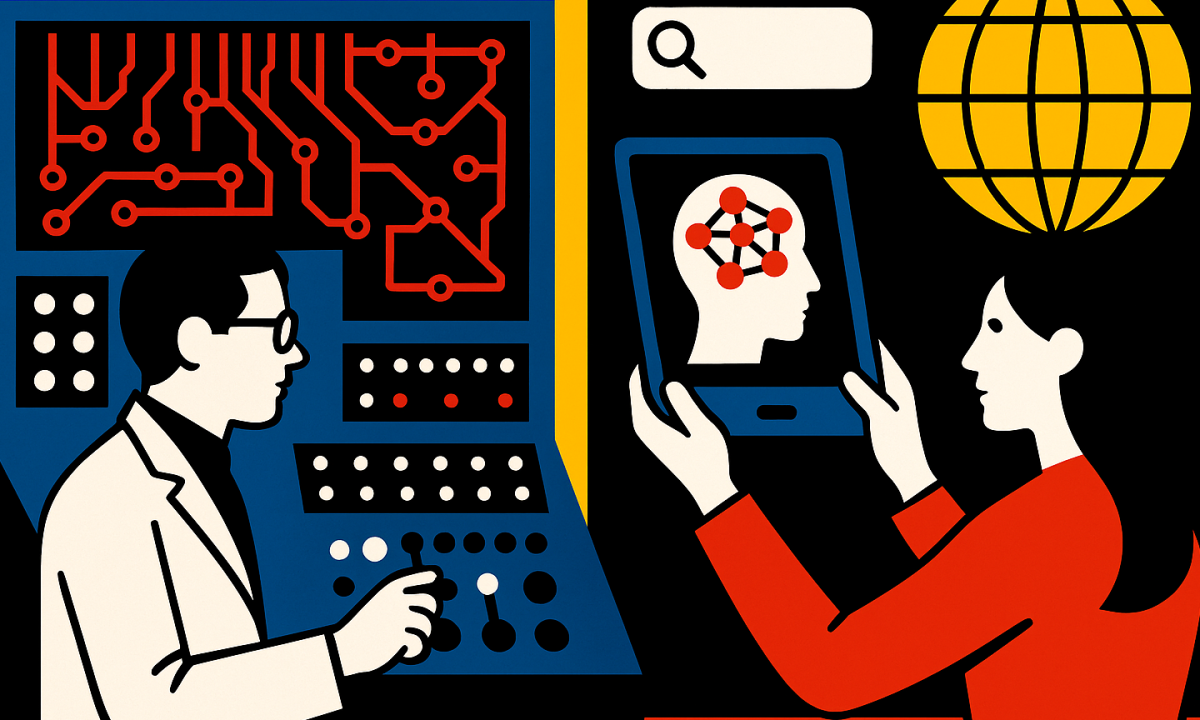
Sun is back to the UK and this week feels like a mashup of retro circuitry and bleeding-edge algorithms. Lets start with OpenAI’s newest o-series models that now weave live web searches into their own train of thought, then the tinkerers at Obsolescence Guaranteed are resurrecting PDPs and Whirlwind consoles so today’s hackers can flick front-panel switches and boot vintage OSs as if 1965 never ended! Did you know that a joint MIT-Center for AI Safety study shows that modern AI models out-diagnosing PhD virologists in lab troubleshooting? I know! Turbo-charging drug discovery while raising bio-risk eyebrows… Meanwhile across the Atlantic, WhaleSpotter pairs thermal cams with machine learning so cargo captains can dodge endangered right whales in real time – how cool is that?! Finally, Longreads rewinds to 1995, when a gas-balloon race drifted into Belarusian airspace and was tragically shot down.
In this issue
5 piecesAI assisted search-based research actually works now
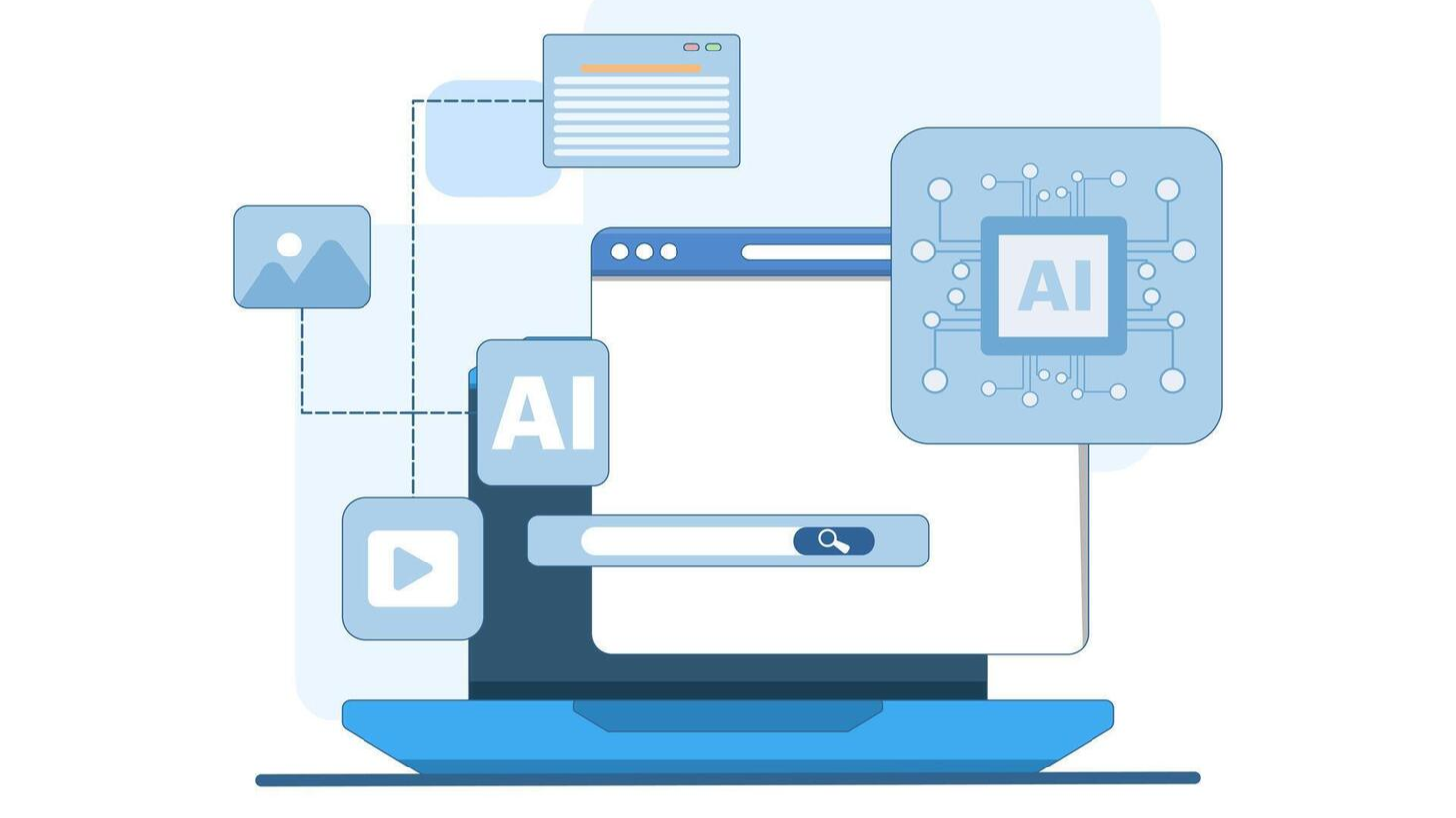
Simon Willison's article, "AI assisted search-based research actually works now", reflects on the significant advancements in AI-driven research tools. He notes that while early versions from 2023, such as Perplexity and GPT-4-powered Bing, were prone to inaccuracies and hallucinations, recent developments have led to more reliable systems. Notably, OpenAI's o3 and o4-mini models now integrate search capabilities within their reasoning processes, delivering accurate and real-time responses without the need for extensive reports. Willison highlights that these models can autonomously perform searches during their thought processes, enhancing the quality and trustworthiness of their outputs.
I think Willson rightly underscores the pivotal shift in knowledge work; the integration of search capabilities within AI reasoning processes enhances efficiency, allowing professionals to access synthesised information rapidly. For organisations, this means re-evaluating workflows, training, and decision-making processes to leverage these tools effectively. However, the reliance on AI for research necessitates a framework to assess the credibility of outputs and maintain the integrity of decision-making. As AI continues to evolve, businesses must balance the benefits of efficiency with the imperative of critical evaluation to ensure sustainable and informed operations. This does feel like watching a long-anticipated sci-fi concept materialise, right? If AI can efficiently distill information, will we still browse through multiple sources, or will we rely solely on these synthesised outputs? One does wonder...
Obsolescence Guarantee
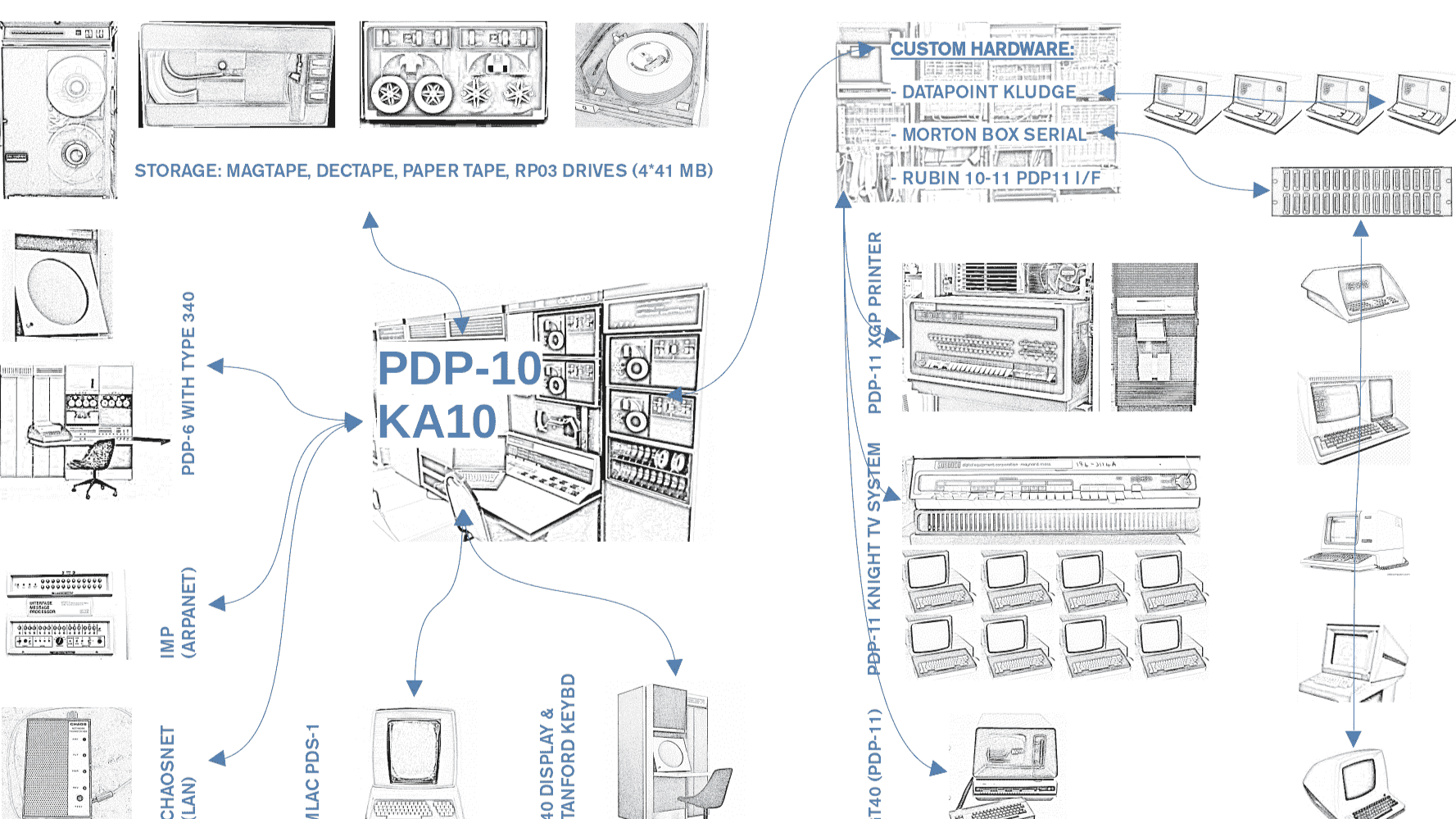
Obsolescence Guaranteed is a dedicated initiative focused on preserving the legacy of early computing by creating functional replicas of historic machines. Their projects include recreations of pivotal systems such as the PDP-8, PDP-10, PDP-11, and the Whirlwind, each instrumental in the evolution of interactive computing. These replicas are designed not only to emulate the hardware but also to provide an authentic user experience by incorporating original software and operating systems. The goal is to offer enthusiasts and historians a tangible connection to the formative years of computing.
Nostalgia time! OG work feels like stepping into a never ending time machine, offering a tactile connection to the roots of our digital world. There's something profoundly human about flipping switches and watching lights blink, reminding me that behind today's sleek interfaces lie decades of innovation and experimentation. These replicas don't just preserve machines; they resurrect the spirit of curiosity and exploration that drove early computing pioneers. In an era where technology often feels intangible, this hands-on approach is a refreshing reminder of our journey from blinking lights to touchscreens.
A recent study by the Center for AI Safety

A recent study by the Center for AI Safety, MIT Media Lab, UFABC, and SecureBio reveals that advanced AI models, including OpenAI's o3 and Google's Gemini 2.5 Pro, now outperform PhD-level virologists in complex lab troubleshooting tasks. OpenAI's model achieved a 43.8% accuracy rate, surpassing the virologists' 22.1%. This advancement suggests that AI can assist in accelerating disease research and medicine development. However, it also raises concerns about the potential misuse of AI by untrained individuals to create bioweapons, given the models' detailed practical knowledge.
Wow! The revelation that AI models can outperform seasoned virologists in lab troubleshooting is both awe-inspiring and a tad unsettling. It's like handing a scalpel to someone who's read all the surgical manuals but hasn't scrubbed in. The promise of accelerating medical breakthroughs is tantalising, yet the spectre of misuse looms large. As we marvel at AI's prowess, we must also grapple with the ethical and security implications. It's a delicate dance between innovation and caution, and the choreography needs to be precise. So, while the efficiency gains are undeniable, the potential for misuse cannot be ignored. This democratisation of expert-level knowledge through AI needs a revaluation of biosecurity protocols. Policymakers and industry leaders need to collaborate to establish robust oversight mechanisms, ensuring that the benefits of AI are grounded in responsibly, without compromising global health security.
Ping, You've Got Whale

The article "Ping, You've Got Whale" from bioGraphic introduces WhaleSpotter, an AI-powered detection system designed to prevent ship-whale collisions. Developed by biophysicist Daniel Zitterbart and his team, WhaleSpotter employs thermal imaging and machine learning to identify whales in real-time, alerting ship captains to their presence.This innovation addresses the significant threat that vessel strikes pose to whale populations, particularly endangered species like the North Atlantic right whale.
Gotta love these projects! Reading about it evokes a sense of hope in the intersection of technology and conservation. It's heartening to see AI being leveraged not just for efficiency but for empathy, protecting the majestic beings that grace our oceans. By integrating thermal imaging with machine learning algorithms, the system provides real-time detection of whales, addressing a critical challenge in maritime navigation. The inclusion of human verification enhances reliability, ensuring that alerts are both accurate and actionable. This initiative is all about that innovation, when guided by compassion, can lead to meaningful change. We are currently in turbulent waters worldwide, so whilst dealing with the complexities of technological advancement, let's ensure that our compass points toward coexistence and stewardship.
In September 1995
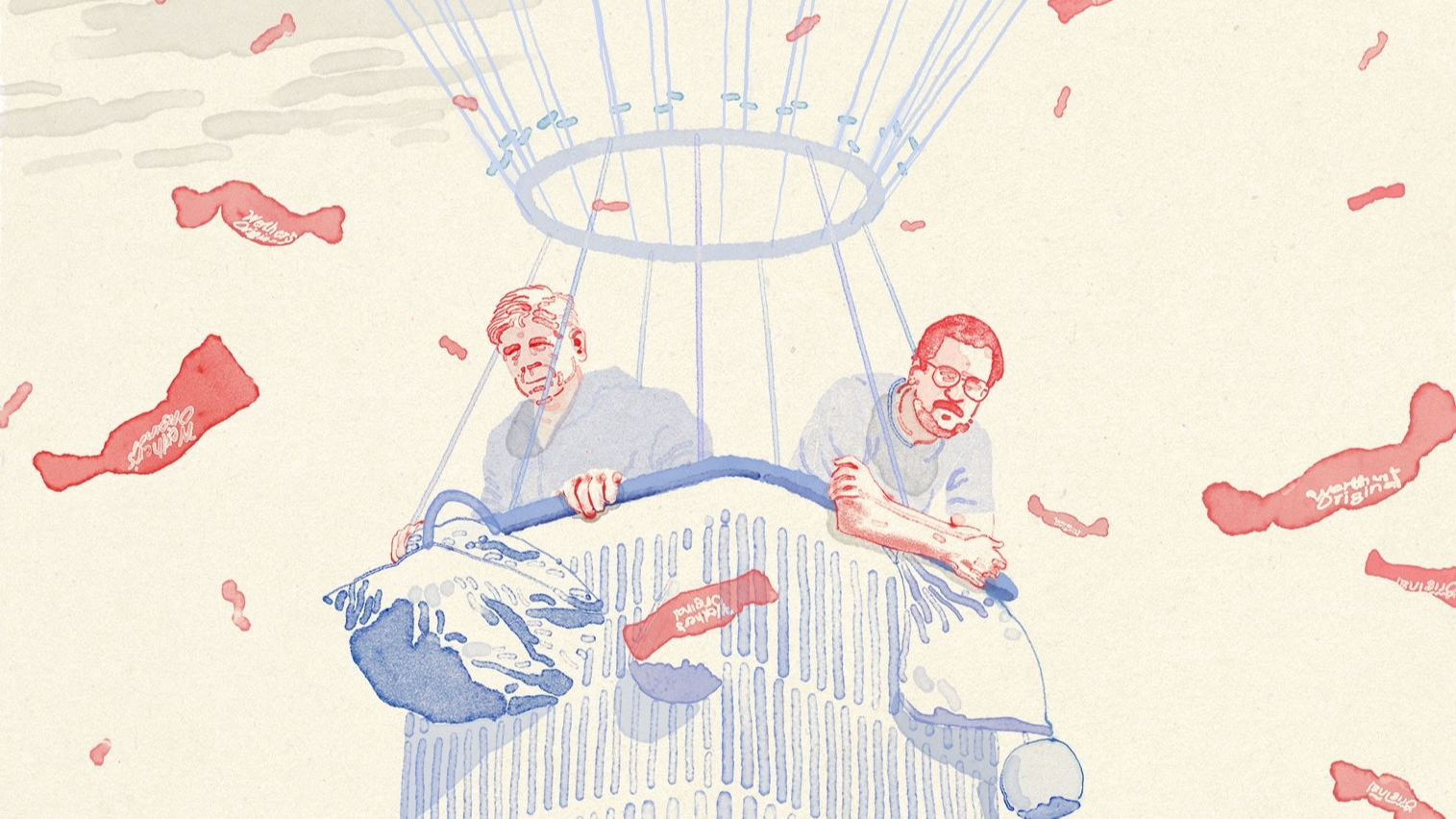
In September 1995, the prestigious Gordon Bennett gas balloon race turned tragic when two American pilots, Alan Fraenckel and John Stuart-Jervis, inadvertently entered Belarusian airspace. Despite prior notifications to Belarusian authorities about the race, their hydrogen-filled balloon was shot down by a Belarusian Mi-24 attack helicopter, resulting in their deaths. The incident highlighted the perils of international airspace navigation and the potential for fatal misunderstandings.
This is a tragic reminder of how miscommunication and geopolitical tensions can culminate in irreversible loss. Two adventurers, driven by passion and the spirit of competition, met an untimely end due to a series of preventable errors. It's the delicate balance between human endeavour and the rigid structures of national security. 1995 wasn't that long ago... so while the race epitomises human ambition and cross-border camaraderie, the fatal misjudgement by Belarusian forces reflects the perils of inadequate communication protocols. I think this event highlights the necessity for clearer international guidelines governing airspace incursions, especially for non-military entities. As global activities increasingly transcend borders, establishing robust frameworks to manage such interactions becomes imperative to safeguard lives and uphold the spirit of international cooperation.
Last Week in AI
- On Jagged AGI: o3, Gemini 2.5, and everything after | oneusefulthing.org
- An Intro to DeepSeek's Distributed File System | Some blog | maknee.github.io
- Exploring model welfare | Anthropic | anthropic.com
- Article: How the UK Is Guiding the Use of Generative AI | thenewstack.io
- Google AI Unveils 601 Real-World Generative AI Use Cases Across Industries | marktechpost.com
- Hype versus execution in agentic AI | Infoworld | infoworld.com