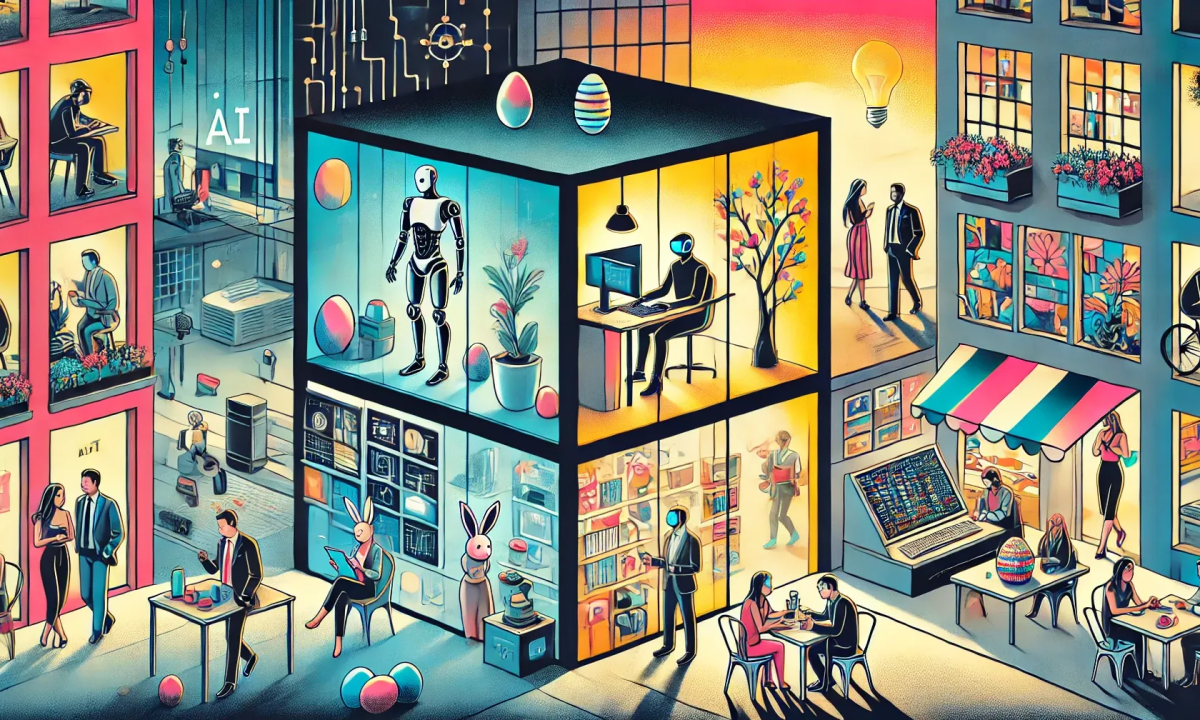
Happy Easter! This edition is about cracking open Isaac Asimov’s 1992 reflections on AI, which feels like revisiting a time when silicon fuelled optimism met clear‑eyed caution. Fast‑forward three decades and Arvind Narayanan & Sayash Kapoor offer a welcome reality check: AI is not a sorcerer’s apprentice but a “normal technology,” as mundane – and as manageable – as electricity or the internet. Its power, they argue, lies less in runaway super‑intelligence than in the boring policy choices, procurement decisions, and governance frameworks we make today. Then, Josh Collinsworth’s ode to the “blissful zen” of a side project is a timely reminder that creating for its own sake can be the antidote to burnout and the algorithmic rat race. Pair that with Kevin Kelly’s classic “1,000 True Fans” thesis and you get a playbook for sustainable creativity: feed your curiosity first, cultivate a community that genuinely cares, and you can trade viral one‑hit wonders for a resilient micro‑economy of trust and support. Finally, Gregor Hohpe then lifts the curtain on the economics of writing technical books, showing that a well‑crafted book (or internal e‑book) becomes an intellectual calling card that accelerates careers, codifies tribal knowledge, and signals leadership far louder than another growth‑hack tweet ever could. In short: make stuff, share it, own the narrative.
In this issue
5 piecesVisions of the Future
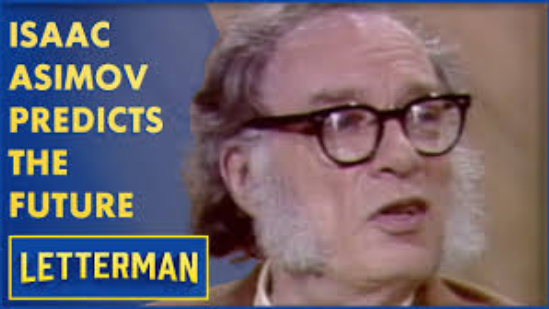
In a 1992 interview featured in "Visions of the Future", Isaac Asimov discusses artificial intelligence (AI) as a tool to relieve humans from monotonous tasks, allowing them to focus on creative and intellectual pursuits. He emphasises the complementary relationship between human and machine intelligence, suggesting that their collaboration can lead to rapid advancements. Asimov also warns of the challenges accompanying technological progress, advocating for proactive planning to mitigate potential issues. He draws a parallel to the advent of automobiles, noting that cities designed without foresight for cars faced significant challenges. This analogy underscores the importance of thoughtful integration of AI into society.
Oh! Reading Asimov's thoughts from over three decades ago feels like going into a time capsule of optimism tempered with caution. His belief in AI as a liberator of human creativity resonates, yet the reality is way more nuanced. Whilst AI has indeed taken over many mundane tasks, it's also now into areas once considered uniquely human, like creativity, art and writing. The current challenge lies in navigating this landscape, ensuring that AI serves as a tool for enhancement rather than replacement. As we stand, perhaps the key is not just in developing smarter machines, but in cultivating a society that values and nurtures human creativity alongside technological advancement. Indeed, organisations must foster a culture of continuous learning and adaptability, positioning themselves to get all the AI's benefits while mitigating its challenges.
The Blissful Zen of a Good Side Project
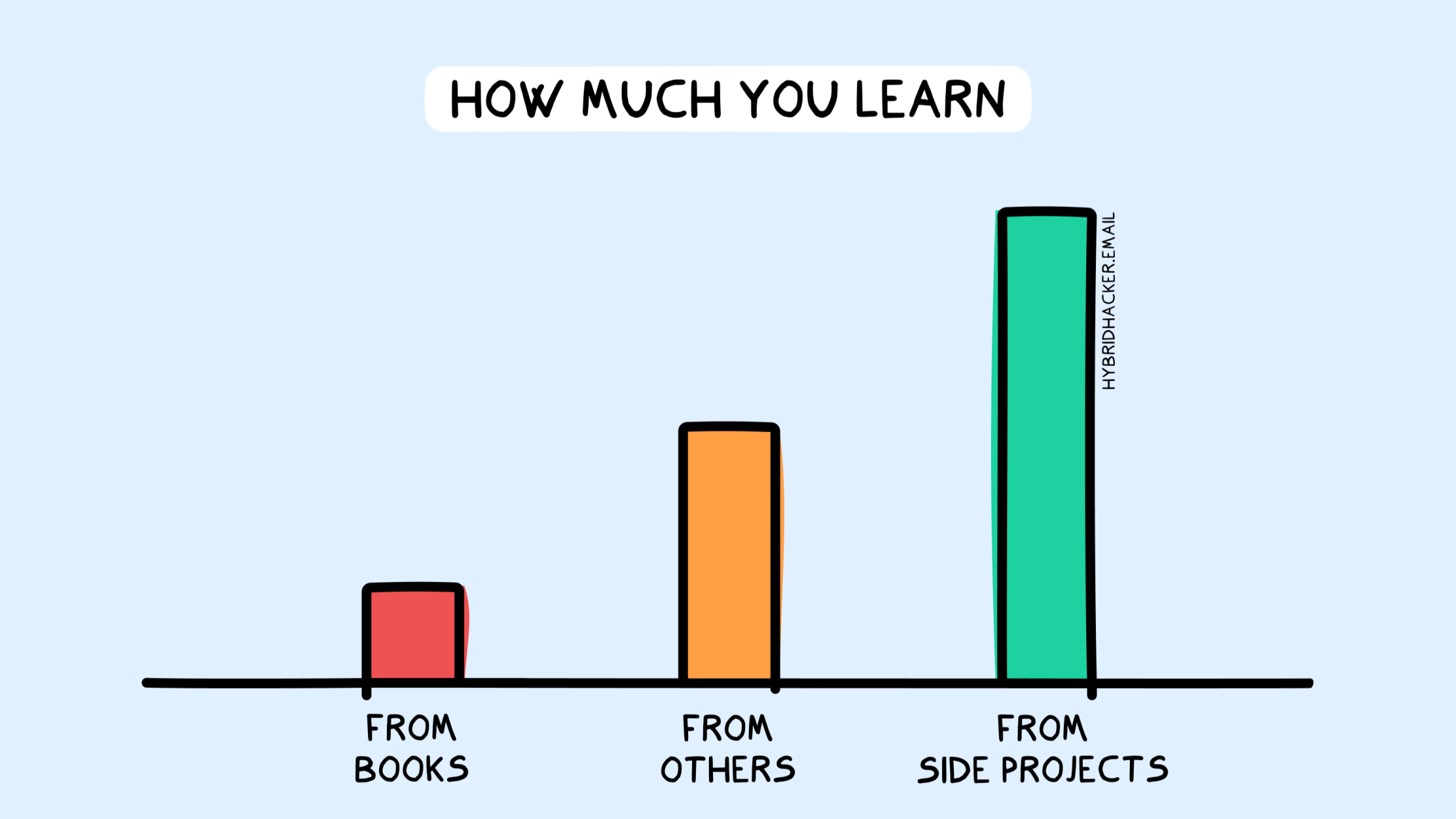
In his blog post, "The Blissful Zen of a Good Side Project", Josh Collinsworth reflects on rediscovering the joy of creation through a new side project after a period of burnout. He describes how engaging in a personal project, regardless of its outcome, rekindled a sense of purpose and satisfaction that had been missing from his routine. Collinsworth emphasises that the act of creating - irrespective of the project's success or relevance - is inherently fulfilling. He encourages readers to pursue side projects not for external validation but for the intrinsic joy and balance they bring to one's life.
This resonates quite a lot with me. Burnout is on the rise and having side projects always helps. Unfortunately I personal struggle to find time to get them out :) As you know, I had several of those, from video, to raspberry pi's, to software and even this mailing list. But my main goal is to keep them running, as I do enjoy being a creator. In a world where productivity is often measured by output and success, it's refreshing to hear that the process, not the product, can be the true reward. Sometimes, the best way to find ourselves is to lose ourselves in the act of creation.
1,000 True Fans

Kevin Kelly's "1,000 True Fans" essay posits that creators can sustain a living by cultivating a dedicated base of approximately 1,000 superfans, each willing to spend $100 annually on their work. This model emphasises direct relationships between creators and fans, bypassing intermediaries to maximise profit and engagement. Kelly argues that this approach is more attainable than seeking mass appeal, allowing creators to focus on quality and niche audiences. However, critiques highlight challenges in this model's applicability today. The shift from physical to digital consumption, media fragmentation, and the dominance of streaming platforms have diluted direct revenue streams for creators.Moreover, the assumption that fans will consistently spend $100 annually may not hold, given the plethora of content options and changing consumer behaviours.
This ties quite nicely with the above. For you to be successful at anything, you need to have 1000 fans or followers, readers, etc.. You get my point. Success doesn't require mass appeal but rather meaningful connections with a dedicated audience - you, if you're reading this :) In an age where digital platforms often prioritise virality over substance, this model reminds us of the value of authenticity and community. Yet there are a lot of practical challenges; time investment, platform algorithms, and changing reading behaviours.
AI as Normal Technology
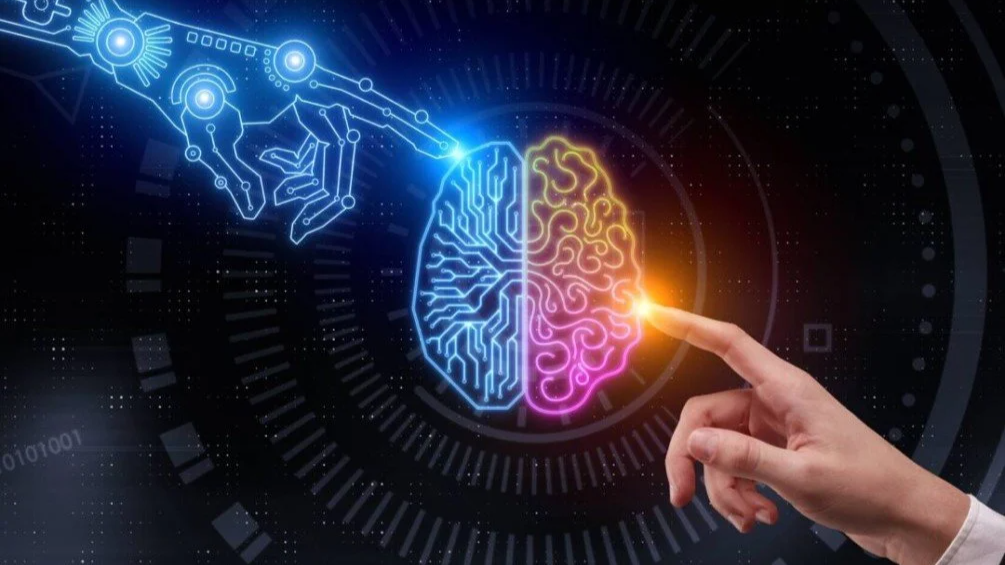
In "AI as Normal Technology" Arvind Narayanan and Sayash Kapoor challenge the prevailing narratives that depict artificial intelligence (AI) as either a utopian or dystopian force. They argue that AI should be viewed as a "normal technology," akin to electricity or the internet—transformative yet controllable. This perspective emphasises that AI's development and integration into society are gradual processes influenced by human decisions and institutional frameworks, rather than inevitable leaps toward superintelligence.
Reading this perspective feels like a breath of fresh air amidst the often sensationalised current discourse on AI. Their framing of AI as a "normal technology" reminds me that, like any tool, its impact is shaped by how we choose to use it. It's a call to focus on the tangible, present-day decisions that will determine AI's role in our lives, rather than getting lost in speculative future. This perspective aligns with historical patterns of technological integration, where societal impacts are often determined more by adoption and regulation than by the technology itself.
The Economics of Writing Technical Books

In "The Economics of Writing Technical Books", Gregor Hohpe offers a candid exploration of the financial realities authors face in the tech publishing world. He emphasizes that while writing technical books can yield income, it's rarely a path to substantial wealth. Hohpe underscores that authors should not pursue book writing solely for monetary gain but rather for the intrinsic rewards and potential career benefits.
So here's the reason some of my side projects have been on hold - mostly the #NowAboutThis. I've been writing a lot of content internally, for my organisation, that I hope it can see the daylight soon :) I do believe that by enabling engineers, architects, and subject matter experts to document their knowledge and codify best practices, companies can institutionalise critical know-how that would otherwise remain tacit or siloed. Publishing internal technical ebooks, either as resources for onboarding, product architecture, or open-source ecosystems, amplifies both internal alignment and external credibility. It fosters a culture of clarity, discipline, and leadership. Much like Hohpe's suggestion of using books as calling cards, company-authored eBooks serve as intellectual capital, elevating the firm's voice in the broader tech community.
Last Week in AI
- Google Is Winning on Every AI Front - by Alberto Romero | thealgorithmicbridge.com
- Meta gets caught gaming AI benchmarks with Llama 4 | The Verge | theverge.com
- Gemini 2.5 Flash comes to the Gemini app as Google seeks to improve “dynamic thinking” | arstechnica.com
- Wikipedia is giving AI developers its data to fend off bot scrapers | theverge.com
- OpenAI's Stargate eyes European expansion, but after US success - report | datacenterdynamics.com
- Microsoft lets Copilot Studio use a computer on its own | The Verge | theverge.com