
January always feels like the longest month of the year! But we’re in February, finally! This edition starts with a moral crisis… or a tool? The Vatican’s Antiqua et Nova takes the cautious route, warning of AI’s impact on free will and human dignity. Speaking of transformative tools, lets remember the Quantel Paintbox, that once ruled TV graphics before Photoshop wiped it out – yet another reminder that no technology stays on top forever. Then, there’s Celso Martinho’s Amiga 1000 restoration, echoing that nostalgia: preserving the past while upgrading for the future. Meanwhile, DeepSeek isn’t looking back – it’s making AI models cheaper and faster with Multi-Head Latent Attention and MoE, prioritising efficiency over sheer scale. Finally, Venture Alchemists and The Tech Coup argue that Silicon Valley’s unchecked power threatens democracy, but the real issue isn’t tech’s dominance – it’s our failure to regulate it effectively, right?
In this issue
5 piecesOn January 28, 2025, the Vatican released "Antiqua et Nova," a comprehensive document examining the relationship between artificial intelligence (AI) and human intelligence
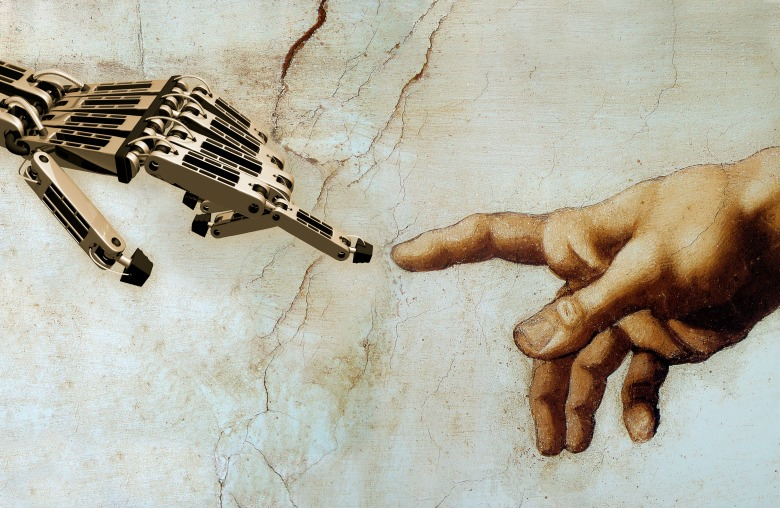
. This note, prepared by the Dicastery for the Doctrine of the Faith and the Dicastery for Culture and Education, goes into the ethical and anthropological implications of AI's rapid advancement.
I've posted here already, but the Vatican’s Antiqua et Nova adds weight to the global AI ethics debate, stressing human dignity, free will, and moral responsibility - all valid concerns. But here’s the issue: its overly cautious stance risks framing AI as an existential challenge rather than a transformative tool. AI isn’t a moral agent. It doesn’t think, decide, or possess intent. What it does is amplify human actions, biases, and decisions at scale. The real danger isn’t AI itself; it’s how we choose to use it. Rather than fearing AI, the focus should be on ethical governance, transparency, and responsible deployment, ensuring AI serves humanity while enhancing - not undermining - human autonomy. AI doesn’t remove free will; it magnifies human biases. The solution isn’t avoidance; it’s empowerment through transparency and accountability. So, instead of broad warnings, the Vatican could push for clear, actionable AI policies that balance ethics with innovation. AI should be seen as a servant, not a rival, a tool to amplify human potential rather than a competitor for consciousness. It has untapped potential in education, medicine, and even religion - supporting research, interfaith dialogue, and theological study, rather than being viewed as a fundamental threat. Fear-driven narratives risk stalling AI’s benefits, discouraging progress where it’s most needed. AI isn’t a deity, nor is it an existential hazard. Most AI developers see it as a tool, not an object of worship, and while the Vatican’s concerns are philosophically interesting, they don’t hold much practical weight.
The Quantel Paintbox, introduced in 1981 , was a pioneering digital graphics workstation that revolutionised television production
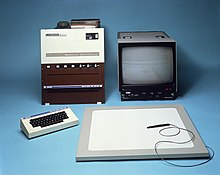
by enabling real-time, full colour image creation and manipulation using a pressure-sensitive stylus. It stands as a testament to the rapid evolution of digital technology. Its introduction in 1981 marked a significant leap in television graphics, offering unprecedented capabilities at a premium price point. However, the subsequent emergence of cost-effective, software-based solutions like Adobe Photoshop democratised digital image manipulation, rendering proprietary systems like the Paintbox less competitive.
Isn't it fascinating how the Quantel Paintbox, once the crown jewel of digital graphics, now feels like a relic from a bygone era? I mean, $250,000 for a graphics workstation - imagine pitching that today! Yet, back in 1981, it was the gateway to a new world of visual creativity. Artists like David Hockney were like kids in a digital candy store, exploring uncharted territories. But as with all tech, the Paintbox had its moment in the sun before being overshadowed by more nimble, affordable software like Photoshop. It's a classic tale of innovation, dominance, and eventual obsolescence - a reminder that in technology, today's marvel is tomorrow's museum piece.
In his blog post " The First Perfect Computer ," Celso Martinho talks about his journey of acquiring, restoring, and upgrading a Commodore Amiga 1000
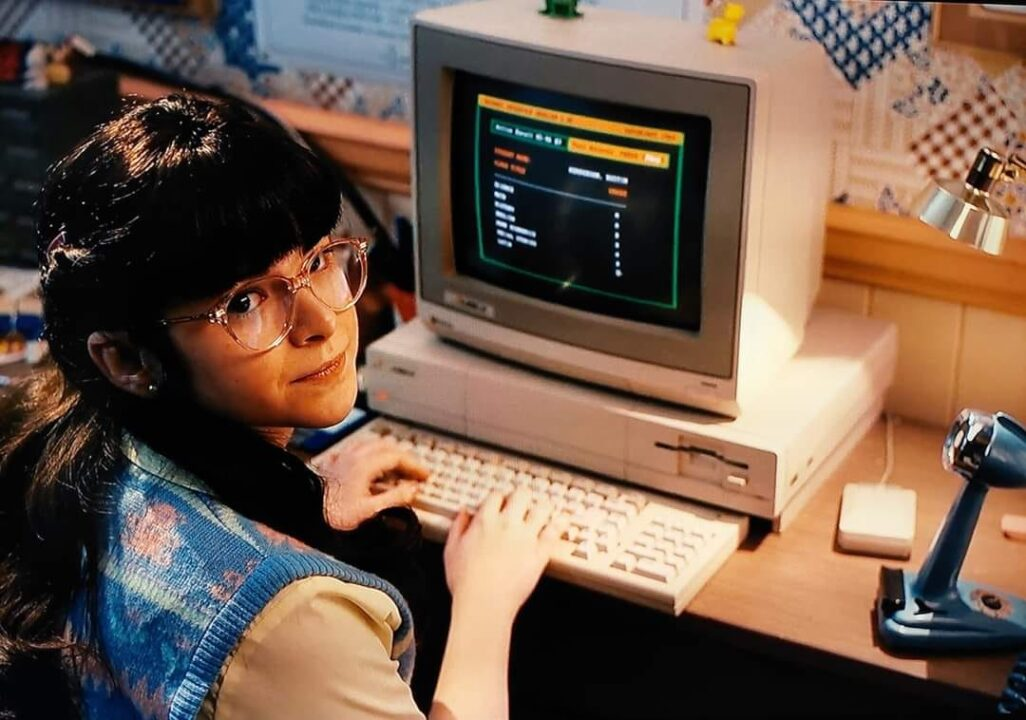
- a machine he regards as a pivotal piece of home computing history. He details the restoration process, including troubleshooting hardware issues, recapping the motherboard and power supply, and implementing modern enhancements like the PiStorm and Parceiro II+ Accelerator. Martinho also reflects on the Amiga 1000's legacy and his ongoing plans to further upgrade and preserve this iconic computer.
1980s can still ignite such passion and dedication today! Celso Martinho journey with the Amiga 1000 is a testament to the enduring allure of vintage computing - and his patience to the cause! It's like restoring a classic car, not just about getting it to run, but about honouring its legacy while thoughtfully integrating modern conveniences. Yet, it does make one wonder: at what point does modernisation overshadow authenticity? Balancing preservation with enhancement is a delicate dance, but perhaps that's where the true art of restoration lies. Anyway, my quota for nostalgic posts is running low :)
DeepSeek has introduced significant enhancements

DeepSeek has introduced significant enhancements to the Transformer architecture, notably through the implementation of Multi-Head Latent Attention (MLA) and an advanced Mixture-of-Experts (MoE) framework known as DeepSeekMoE. These innovations aim to improve computational efficiency and model performance, particularly in handling long-context inference.
A lot, A LOT!, has been written, talked, shouted and hyped about DeepSeek, but their innovations - Multi-Head Latent Attention and DeepSeekMoE - are impressive steps toward solving the Transformer model’s efficiency problem. Compressing the KV cache and refining MoE specialisation both tackle real bottlenecks in scaling AI. But let’s be clear: this isn’t about making models “smarter”; it’s about making them run cheaper and faster. The real battle in AI right now isn’t just about capability, it’s about compute efficiency! DeepSeek’s approach leans into that, but the risk? Over optimising for efficiency can sometimes come at the cost of flexibility. MoE models, for all their computational benefits, still struggle with load balancing, and condensing memory via latent vectors could introduce trade-offs in fidelity. But the bigger picture? AI research is increasingly about maximising impact per FLOP, and DeepSeek’s work aligns with that trend. The question now is whether these advancements will translate into broader adoption—or if they’ll remain technical optimisations that only benefit the few with the largest compute budgets. AI isn’t just about making models bigger; it’s about making them work at scale.
In a recent review, MIT Technology Review details two books
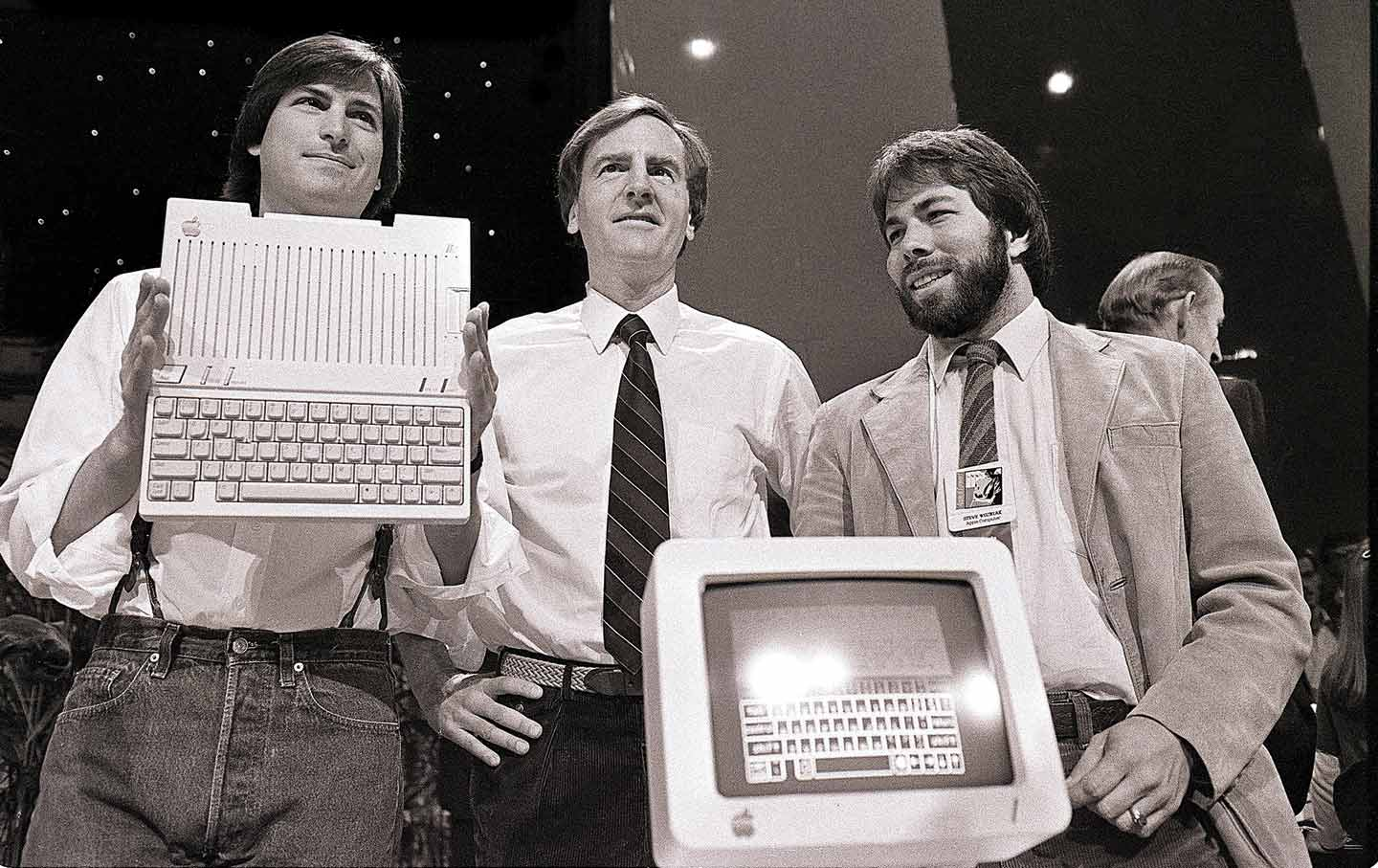
In a recent review, MIT Technology Review details two books that critically examine Silicon Valley's influence on democracy: Rob Lalka's Venture Alchemists and Marietje Schaake's The Tech Coup: How to Save Democracy from Silicon Valley. Both works argue that the tech industry's vast wealth and power are increasingly undermining democratic institutions.
Silicon Valley’s grip on democracy isn’t new, but this Venture Alchemists and The Tech Coup really add weight to the growing debate on tech’s unchecked power. I think both books make a solid case: a handful of companies now shape global discourse, economics, and even governance. But here’s the issue; framing tech as an existential threat risks oversimplifying the problem. The real danger isn’t big tech itself; it’s our failure to regulate and govern effectively. Hello EU?! Tech giants aren’t inherently democratic or undemocratic - they reflect the policies (or lack thereof) that allow them to operate unchecked. Rather than outright demonization, the focus should be on actionable governance: transparency mandates, antitrust enforcement, and accountability structures that match tech’s scale. Innovation and democracy aren’t opposing forces; the challenge is ensuring one doesn’t erode the other. If we reduce this to a battle between "tech overlords" and "defenders of democracy," we miss the point.
Last Week in AI
- The AI Hype Index: Robot pets, simulated humans, and Apple’s AI text summaries | technologyreview.com
- OpenAI o3-mini: Pushing the frontier of cost-effective reasoning. | openai.com
- Microsoft just renamed Office to Microsoft 365 Copilot on Windows 11 for everyone | windowslatest.com
- Inside a network of AI-generated newsletters targeting “small town America” | niemanlab.org
- Mastering Atari Games with Natural Intelligence | verses.ai
- Great post about AI Slop, Suspicion, and Writing Back | benjamincongdon.me