Welcome to 2025! This is the first #RBM edition of the year and what a year 2024 was, right? So, lets keep that momentum for ’25 and make it better for everyone! This week it’s all about innovation, nostalgia, and the messy intersection of tech and humanity – so each story I’ve read recently shows how much our tools shape us. From the forgotten brilliance of the Unisys ICON in 1980s Ontario to Intel’s infamous Pentium FDIV bug (a $475M lesson in quality control), the past keeps on teaching. Then, the PlasticList report underscores that solving plastic pollution is about systems, not just individuals. William Shockley’s lab reminds us that even Silicon Valley’s roots were built on workplace drama, and Riley Walz, a GenZ artist-hacker, is turning data and nostalgia into art with projects like “IMG_0001.” Whether it’s tech innovation, environmental responsibility, or just seeing everyday data in new ways, these stories make me think: how can we do better with the tools – and history – we’ve got.
In this issue
5 piecesThis article reflects on the Unisys ICON , a computer system introduced in Ontario schools during the 1980s as an educational tool
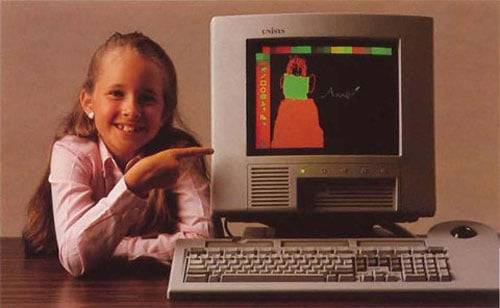
but now largely forgotten. It discusses its specifications, cultural impact, and software, blending personal anecdotes with broader historical context. Despite its innovation, it faced criticism for its cost and poor preservation, leaving only a few physical and digital traces. The piece advocates for the archival of such regional technologies to preserve their cultural significance.
I once worked at Unisys and it was a mix of nostalgia but also opportunities. I love how some companies have been around for so long that they blend time and space continuum :) So, the ICON feels like a portal to a fascinating time in tech. I love how systems like this represent not just innovation, but also a snapshot of how technology shaped communities and education. Its unique features - like its QNX OS and trackball keyboards - are brilliant reminders of how ahead of its time it was. Yet, a system meant to democratize learning was bogged down by high costs and limited reach. It’s wild how Ontario chose to destroy them, while retro tech elsewhere gets celebrated and preserved.
This blog explores the infamous 1994 Pentium FDIV bug , where Intel's processor produced occasional errors in floating-point division due to missing entries in a lookup table
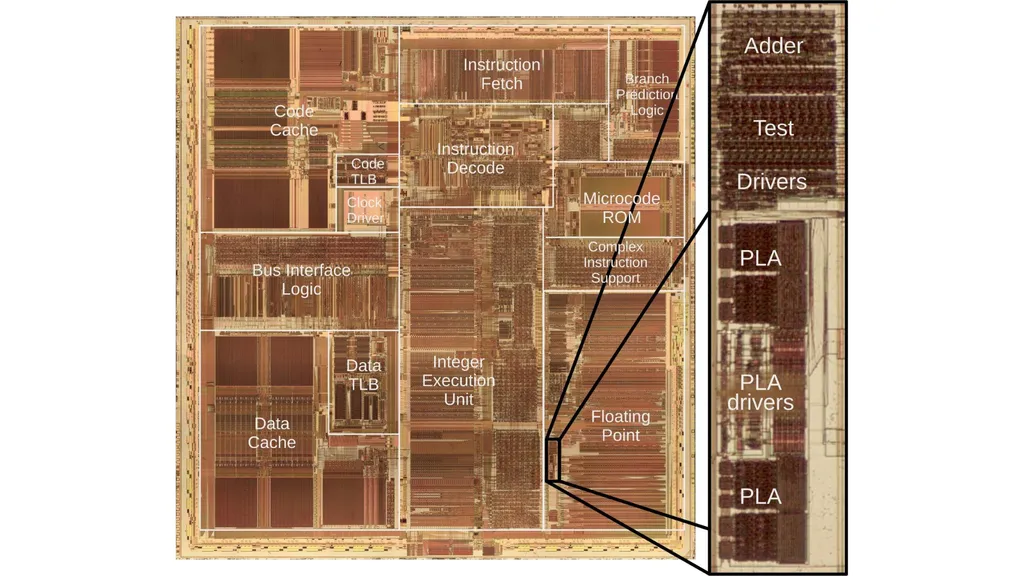
. Discovered by Professor Nicely, the bug caused public backlash, forcing Intel into a $475 million recall. Detailed technical analysis highlights how the SRT division algorithm and a mathematical oversight led to the issue, showcasing how small design flaws can have massive business impacts.
You know by now that I really love Intel (not!) So, this bug is a perfect example of how small technical oversights can snowball into massive consequences. It’s fascinating that a mistake as minor as 16 missing entries in a lookup table cost that much and hit their reputation so hard. But who never deleted a database table in production, throw the first rock! We've seen this over and over again, and it’s a reminder that innovation without robust quality control can be risky - hello, CrowdStrike? I find it ironic that Intel initially downplayed the issue - as still does to the date, only to face a consumer revolt - it shows how trust in technology is as critical as the tech itself.
The PlasticList report highlights the top contributors to plastic pollution globally

, examining corporate accountability and policy shortcomings. It identifies specific industries, like packaging and single-use plastics, as primary culprits. The report calls for stricter regulations, increased recycling efforts, and shifts toward biodegradable alternatives, emphasising consumer and corporate responsibility in addressing environmental impacts.
This report is a stark reminder that the plastic pollution crisis isn’t just about litter; it’s a systemic failure involving corporations, consumers, and governments. It’s frustrating to see companies push recycling narratives while ramping up virgin plastic production, making their commitments to sustainability feel hollow. The statistics that only 9% of plastic has ever been recycled is mind-boggling! It’s clear the system is broken and it wasn't that plastic straw the problem! This report shows that solving plastic pollution isn’t just about better bins; it’s about rethinking the entire system from production to disposal.
This article traces William Shockley’s journey from a brilliant yet difficult personality in semiconductor physics to the founding of Shockley Semiconductor Laboratory
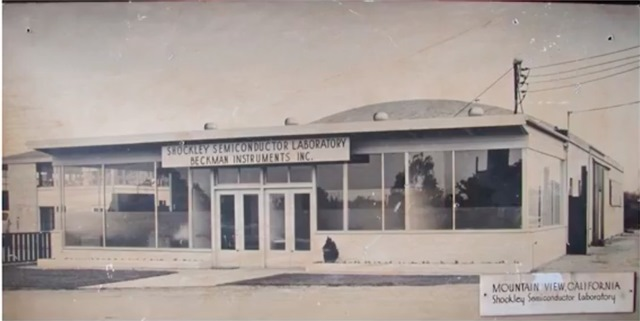
, effectively sparking Silicon Valley’s creation. It explores his technical achievements, such as the invention of the junction transistor, but highlights his combative management style and controversial views. The piece concludes that Shockley's lab laid the groundwork for Silicon Valley’s innovation culture, despite his personal shortcomings alienating collaborators, including the eight defectors who founded Fairchild Semiconductor.
It's incredible how this story is like a Silicon Valley’s OG soap opera; brilliant ideas, massive egos, and a breakup that changed the world. Shockley might’ve been the "father of Silicon Valley," but let’s be real - he was that dad who micromanages everything, drives everyone nuts, and then wonders why the kids moved out. Enter the “Traitorous Eight,” who said, “Thanks for the memories, but we’re starting our own thing.” Turns out, the valley’s tech boom came from the most relatable source ever: workplace drama. Who knew Silicon Valley was born out of a bad boss story? Classic!
The New Yorker article profiles Riley Walz, a 22-year-old artist and programmer, whose projects explore online data, nostalgia, and surveillance

. Inspired by early YouTube videos with generic filenames (e.g., IMG_0001), Walz created a site showcasing these clips as digital relics of a less curated internet era. His past works include pranks like a fake steakhouse and "Bop Spotter," which records street noise to identify songs. Walz also exposed the real-time trackability of Citi Bikes through their API, sparking privacy debates. His playful yet provocative interventions highlight the pervasive ways personal data is collected and used in modern life.
Riley is like the ultimate GenZ mischief-maker; part artist, part hacker, part entrepreneur, and fully committed to turning the mundane into the unforgettable. From making fake steak houses to cultural surveillance, his projects are as much about poking fun at our data-driven lives as they are about exposing just how much we're all being watched. The "IMG_0001" project? Genius! Those forgotten YouTube clips feels like digging through a time capsule - at least for me! -, except the memories are hilariously random. His work reminds us how absurdly connected our lives and tech are, and honestly, I’m here for it :)
Last Week in AI
- Great resume: Things we learned about LLMs in 2024 | simonwillison.net
- How Hallucinatory A.I. Helps Science Dream Up Big Breakthroughs | web.archive.org
- smolagents: a barebones library for agents | github.com
- Anthropic: Building effective agents | anthropic.com
- AI educators are coming to this school – and it's part of a trend | techradar.com
- From Nature: Will artificial intelligence let us talk to the animals? | nature.com