
It starts to look a lot like Xmas… Isn’t it? 🙂 It’s been 41 weeks since I restarted #RBM – Read Before Monday, and it’s been quite amazing to hear people saying how much they like following up on the themes I bring up. For the next two weeks, I’ll stop publishing the newsletter. It’s my only break of the year, but I’ll be back with fresh topics in January 🙂 before Mondays!This week’s lineup of stories has been a blend of the fascinating, the thought provoking, and the timeless. From the scrappy strategies of cold emails outreach to the uneasy evolution of WhatsApp as a business juggernaut, each topic reflects a common theme: transformation, for better or worse, either we want it or not… So, whether it’s reading and reshaping our brains, grappling with the ethics of AI, or revisiting the metaphorical “gremlins” haunting both WWII aircraft and today’s technology, I hope these pieces offer you insights into how we navigate change – and what gets left behind in the process. And that could be about bananas or the high-stakes debate over GenAI… I’ll admit, writing this newsletter is a bit like weaving together these threads every week – it’s not just information; it’s my own reflection on what I read and want to bring to you. Hope you enjoy this issue and take a moment to pause, reflect, and recharge over the holidays. See you next year!
In this issue
6 piecesThe Za-Zu Cold Email Handbook details a structured approach to leveraging cold outbound email campaigns

for rapid business growth, emphasising infrastructure, personalised messaging, and scalability. It highlights the immense potential of well crafted emails in generating millions in sales pipeline, outlines common pitfalls like poor infrastructure and scalability challenges, and provides actionable strategies for setup, content creation, and execution. The guide also advocates for data-driven tactics, advanced segmentation, and using AI tools for scaling personalised outreach effectively.
This is quite interesting, as cold emailing feels like a modern version of guerrilla PR (and I talked about that on the last edition) - lean, scrappy, and all about breaking through the noise. "Back in the day", getting visibility often meant cracking the gatekeepers of traditional media. Now, the 'cold outreach', is all about passing the gates entirely and managing to drop into someone's inbox. Personalisation at scales sounds magical, I get it, I've been doing newsletters and content for so long that it starts to be natural to me, but is it for others? When I do these newsletters (like here or at work), I craft them in a way that show my personality, my tone and voice. It's not just 'spray and pray', it's a crafted version of me. So, bottom line, the real challenge isn't just about sending emails, but building trust at a moment's notice. Give something back first before you ask for an action. That's what people usually forget when they send emails. Hope you can see that here, where I bring my own authenticity to your inbox every week.
WhatsApp has evolved from a simple messaging platform to a global “everything app,” driving business interactions

in markets like India, Brazil, and beyond. By enabling small businesses to advertise, connect with customers, and conduct transactions directly on the platform, WhatsApp is transforming industries like banking, retail, and e-commerce. Meta’s push for monetisation includes “click-to-message” ads, premium APIs, and generative AI tools that streamline customer interactions. Despite its revenue growth, WhatsApp faces challenges in balancing simplicity, privacy, and commercial features, while managing user expectations and maintaining its global appeal.
WhatsApp’s evolution is both fascinating and fraught. On one hand, it’s incredible to see a simple messaging app morphing into a lifeline for businesses, especially in markets like India and Brazil. On the other, this shift feels like watching a scrappy, purpose-driven startup grow into a corporate juggernaut, with all the messiness that entails. I still remember when they were the ultimate minimalist app - or wanted to be, to cope with WeChat - with no ads, no clutter, just pure, reliable communication. It was refreshing, almost rebellious, in its simplicity. Now, with AI bots, “click-to-message” ads, and business APIs, it’s clear the priorities have shifted. And honestly, I get it - businesses need tools like these, and for many in emerging markets, as I said, is a lifeline.
The United Fruit Company marketed an idyllic , exotic image of Central America while enacting exploitative practices that shaped the “Banana Republic” narrative

. Bananas, introduced as a novelty in the U.S. in the late 19th century, were romanticised through pop culture and tourism campaigns, masking the brutal realities of United Fruit’s operations. The company monopolised land, controlled governments, suppressed labour resistance - including the infamous 1928 Colombian massacre - and influenced U.S. foreign policy, such as the CIA-backed 1954 coup in Guatemala. This disparity between cheerful marketing and harsh exploitation encapsulates the colonial underpinnings of United Fruit’s dominance.
You weren't expecting this now, were you? :) What a great piece and article! United Fruit portrayed Central America as a tropical paradise, using campaigns like maps, books, and tours to sell bananas and destinations. Behind this imagery, United Fruit monopolised resources, manipulated governments, and suppressed dissent, earning its “octopus” nickname. This is both an eye-opener and a gut-punch. This story is frustratingly familiar - where corporate profits intersect with imperial ambitions, justice often takes a backseat. It’s a stark reminder that beneath the everyday commodities we enjoy lies a history of struggle, often paid for in blood.
A study published in Neuroimage reveals that proficient readers have distinct brain structures

, particularly in the left hemisphere’s temporal lobe and Heschl’s gyrus. These regions, vital for processing language, show thicker or more extended cortical areas in skilled readers, correlating with better phonological awareness and integration of meaning. While cortical thickness and structure vary, the brain’s malleability suggests that reading strengthens these areas over time. The decline in reading habits may have societal consequences, potentially impairing our ability to interpret complex information and connect with others.
If you're reading this, you already have a good brain! :) True story! But this really makes you think about how much we take reading for granted. It’s fascinating that something as personal as cracking open a book literally reshapes our brains. The idea that thicker cortices support complex integration while thinner ones speed up processing feels like the ultimate brain balancing act - one we’re at risk of losing if reading keeps declining. Sure, video might be easier, but it’ll never push our brains to connect ideas or empathise the way a good book can. It’s a powerful reminder: when we read, we’re not just enriching ourselves; we’re keeping a part of humanity alive.
The Boston Review forum article, The AI We Deserve , critiques generative AI’s societal impacts,
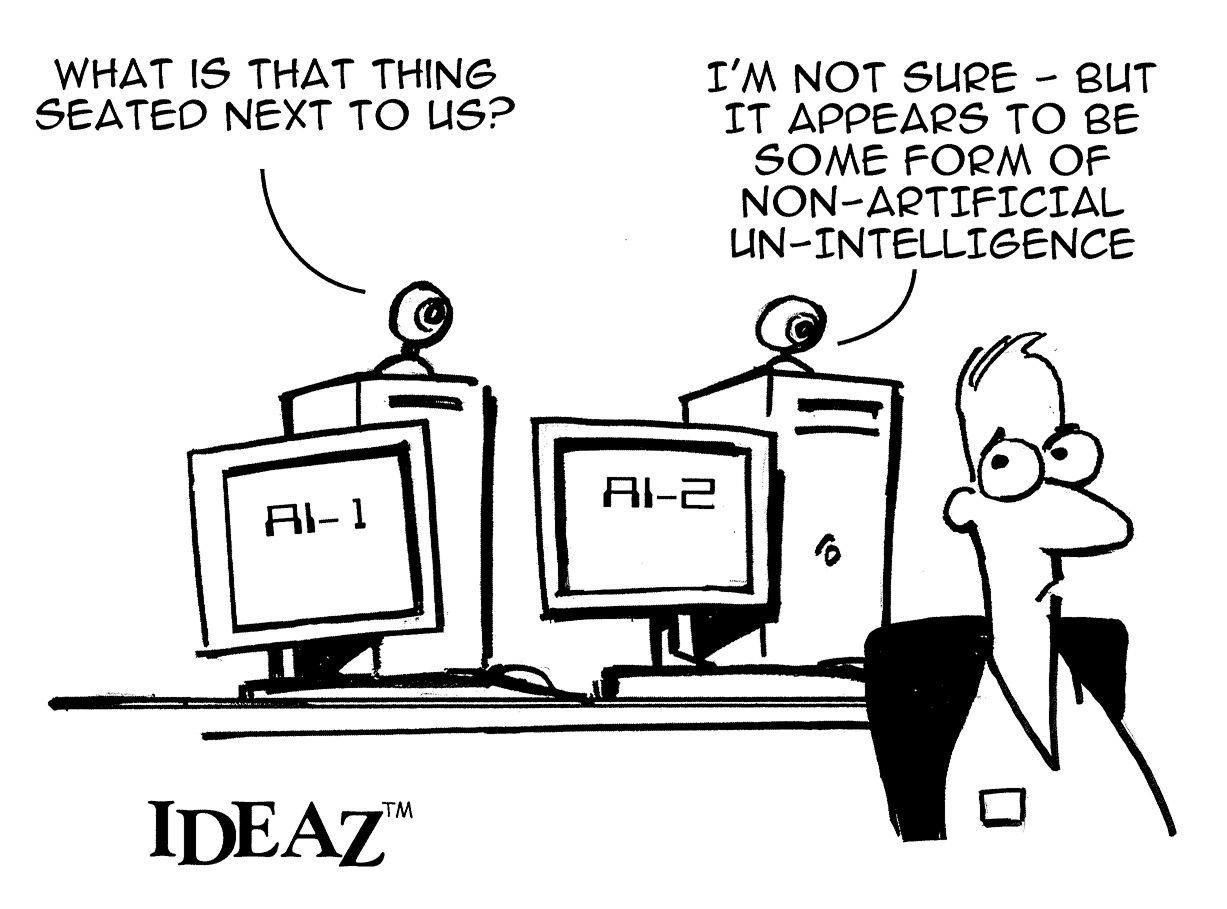
highlighting its dual potential for revolutionary applications and ethical dilemmas. Evgeny Morozov underscores issues like Big Tech’s monopolisation, surveillance risks, and AI’s militaristic origins, while contrasting pragmatic “realists” advocating for democratic reforms with “refuseniks” who see AI as fundamentally flawed. The piece calls for envisioning a transformative AI that prioritises collective good over corporate profits, challenging both AI’s entrenched structures and the narrow scope of existing critiques.
If you follow me for a while, you know I do talk a lot about GenAI and AI, so this article feels like the debate we urgently need. AI/GenAI isn’t just a tool; it’s a mirror reflecting the systems that birthed it. The tension between these new astonishing capabilities and its deeply flawed origins is stark. On one side, you’ve got realists tweaking what’s already here; on the other, refuseniks arguing it’s broken beyond repair. But what’s missing is that bold, imaginative leap - what could all of this look like if it were truly built for the public good? Right now, the stakes feel impossibly high: if we stick with the status quo, we risk building a world that runs on profit-driven code, leaving the rest of us behind. Anthropic's Dario Amodei gave an interesting interview to the FT about this. These perspectives feel like two sides of the same coin - one pressing for radical reimagination, the other working within current frameworks to steer it responsibly. We need an approach that is pragmatic, grounded in a belief that iterative scaling and control mechanisms can harness AI’s complexity for good. Still, I think that 2024 was definitely the year of AI and GenAI.
The JSTOR Daily article “Ghosts in the Machine” explores the cultural and historical evolution of “gremlins,

” once feared saboteurs of WWII aircraft, into modern metaphors for technical glitches. During WWII, gremlins embodied pilots’ anxieties, providing a psychological scapegoat for unpredictable mechanical failures. These mythical creatures later morphed into popular culture icons, notably through Roald Dahl’s book and the 1984 film. Today, the concept persists in terms like “bugs” and “daemons,” reflecting humanity’s ongoing tendency to anthropomorphise technology to grapple with its complexity and capriciousness.
This piece hits at something timeless: our impulse to anthropomorphise what we don’t fully understand. Gremlins start as coping tools, offering WWII pilots humour and control amidst chaos, but they’ve morphed into metaphors for the inscrutable quirks of technology. It’s fascinating how these myths survive, from “bugs” to “daemons,” showing our uneasy relationship with machines hasn’t really changed. We still need stories - whether of sabotage or guardianship - to make the digital world feel more human and manageable.
Last Week in AI
- Perplexity: Harvard Releases AI Training Dataset | perplexity.ai
- GenCast predicts weather and the risks of extreme conditions with state-of-the-art accuracy | deepmind.google
- Time magazine unveils new AI chatbot | axios.com
- Sora is here, by OpenAI | openai.com
- OPB: AI slop is already invading Oregon’s local journalism | opb.org
- Anthropic: A statistical approach to model evaluations | anthropic.com