
This week we have a wonderful mix of fascinating stories! From the nostalgic rise of Atari’s FaSTer digital magazine, a groundbreaking yet ill-fated pioneer in digital publishing, to the analog charm of rotary mixers making a boutique comeback in DJ culture, it’s clear we’re still drawn to retro simplicity even in modern tech. On the flip side, we’ve got AI therapy bots, promising mental health accessibility but falling short on nuance, and the “Dark Forest” of digital spaces that contrasts safe havens with systemic online issues. And finally, the story of Pepijn Van der Stap, a cybersecurity prodigy whose obsession with data led him to hacking and redemption – just the proof that brilliance can be both a gift and a curse.
In this issue
5 piecesFaSTer was a pioneering Atari ST digital magazine distributed on floppy disks starting in 1986

. A Canadian publication, it featured bilingual content (later English-only), a custom user interface, and included programming tutorials, software reviews, and Atari user group highlights. Although innovative, it ceased after a short run due to challenges with its commercial model. The archive offers retro enthusiasts a glimpse into early digital publishing.
Hold on there, this is the first of a series of nostalgic topics today! For those that missed it, this was the first digital magazine! It had a custom UI and was only Atari culture; programming tips and gaming reviews. Back then the commercial model was brand new, quite an innovation I must say. Didn't work because we weren't ready for it. Back then paper magazines ruled the world and were way cheaper. For me it lacked the graphics paper had and just text, for a teenager, was boring :) Funny enough, they were into the digital, modern distribution, but then relied on 'outdated', costly physical media.
“Against the Dark Forest” critiques the metaphor of the “Dark Internet Forest,”

inspired by Liu Cixin’s theory, to explore digital spaces as both perilous and protective. It contrasts open, exploitative online platforms with private, unoptimised “cozy webs,” which offer psychological safety but risk societal isolation. The piece examines the systemic harms of global social media and advocates nuanced solutions beyond retreating into privatised refuges.
This caught my attention immediately. It gives a good perspective of the perils and the status of social media and internet in general nowadays. I do think that people and 'internet' in general will move into private digital spaces, that can foster safety for everyone. A cozy web that is free from predators, trolls and ads. Will be subscription based, needs to stay away from people being the product.... and will never happen, will it? We often blame (big) tech for online harm, but we also forget that enables access to communities and creates a lot of opportunities. The article does exacerbate personal anxieties without addressing the systemic fixes, but that's something we can work on :)
“The Therapist in the Machine” examines the rise of AI therapy chatbots like Broken Bear, exploring their promises and limitations
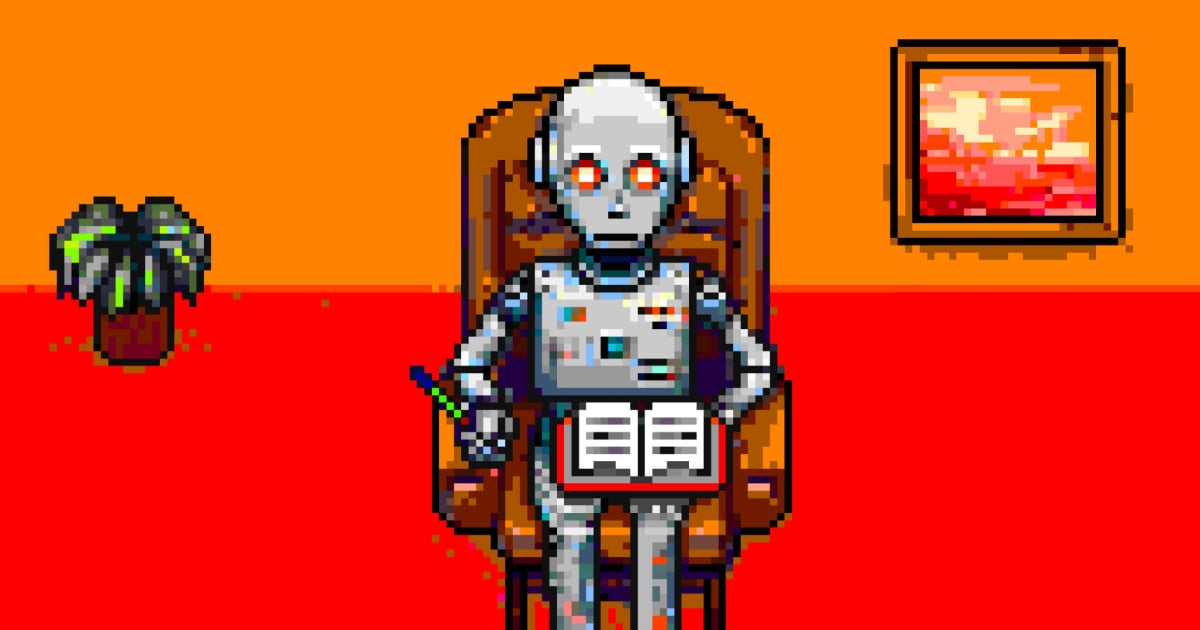
amid the growing mental health treatment gap. While chatbots offer accessible and cost-effective alternatives, they risk oversimplifying therapy’s complexities, potentially misguiding users. Rooted in decades-old experiments like ELIZA, these tools highlight the ethical and emotional challenges of replacing human therapists with AI.
Great and interesting topic! Very actual, I must say. I can understand that AI therapy bots can address some mental health treatment gaps, but at the end of the day, it's all about the nuances and understanding, isn't it? Of course we're quite good now at natural language processing (NLP), which simplify any interaction, but getting from a system that creates poems about your dog to treat your mental health, is a long stretch, even for me, as a technologist. Unfortunately, we're not in the position to refuse help and we need to take advantage of the tools available - and this is one more. I do worry about the advice and if this will be ever implemented in Europe (due to the AI Act Law). Bypassing systemic healthcare issues with the usage of technology will have to contrast against the ethical concerns about accountability.
Rotary mixers , a DJ tool with roots in the 1970s, have resurged as boutique, high-fidelity alternatives to modern digital mixers

. Renowned for their simplicity and superior sound quality, rotaries are prized by audiophiles and DJs seeking a more deliberate mixing style. Although lacking the features of digital counterparts, their analog warmth and precision appeal to those valuing sound over convenience. This revival, driven by boutique brands and industry veterans, challenges modern DJ culture’s preference for speed and digital tools, emphasising deeper appreciation of sound systems.
Second nostalgic post today! This one goes really back to the 70's and it's all about the loved rotary mixers, which is very relevant in today’s DJ culture. They still stand out with their focus on sound quality and simplicity, but it’s interesting to see how they’ve become a symbol of exclusivity. I'm curious to see how this resurgence highlights a growing appreciation for sound systems in an era dominated by convenience and streaming. Feels like the they would ever become more accessible...
Pepijn Van der Stap, a young Dutch cybersecurity prodigy turned cybercriminal , amassed vast troves of stolen data

, driven by an obsessive need to collect and organise information. Despite legitimate success in cybersecurity roles, his compulsion led to extortion and hacking crimes, including a $750,000 ransom from Virgin Media O2. Arrested in 2023 after a two-year investigation, he admitted guilt, expressing regret and relief at being caught. While serving a four-year sentence, Van der Stap reflects on his actions, seeks to atone, and plans to transition to studying biochemistry and medicine after release.
What a great story! When you're obsessive with organising data then it's 'natural' you turn to organise other peoples data.. In your own systems... Sure it can lead to a life of crime, but you have to admire the persistency, the OCD with data... I think he's going to be great in his new field of biochemistry, clearly a genius.
Last Week in AI
- AI-generated images threaten science — here’s how researchers hope to spot them | nature.com
- AI Power For Quantum Errors: Google Develops AlphaQubit to Identify, Correct Quantum Errors | thequantuminsider.com
- OpenScholar: The open-source A.I. that’s outperforming GPT-4o in scientific research | venturebeat.com
- Apple Readies More Conversational LLM Siri in Bid to Rival OpenAI’s ChatGPT | bloomberg.com
- Amazon to invest another $4 billion in Anthropic, OpenAI's biggest rival | cnbc.com
- Google DeepMind CEO Demis Hassabis explains what needs to happen to move from chatbots to AGI | businessinsider.com