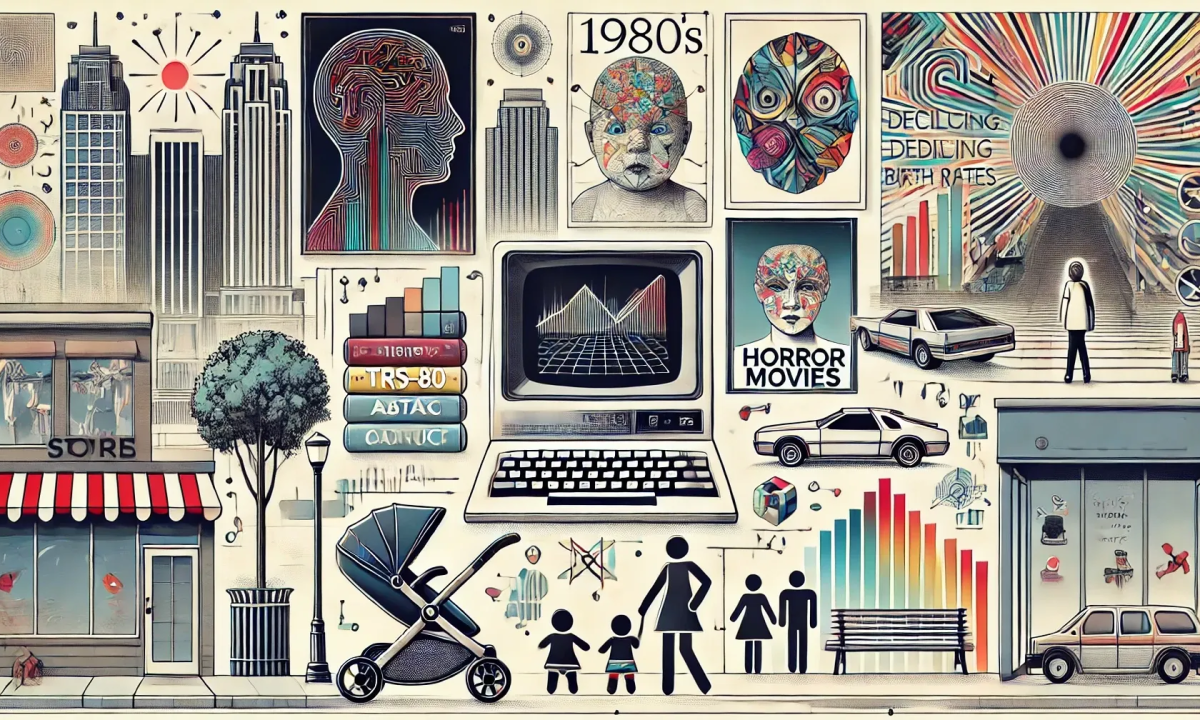
Every day, we see how the past influences the present. This weeks #RBM edition is about the iconic 1980s magazine, TRS-80 which served readers by prioritising independent, reader-driven content, a model that inspired many future tech publications. Then, lets talk about birth rates that are declining, with global populations shrinking, which could reshape economies and challenge social systems, requiring inventive policy solutions. Did you know that barcodes turn 75? From 1949 to today, barcodes have evolved from a retail tool to a data-tracking powerhouse, showing how even small innovations can have a lasting impact. Also, let’s review Microsoft’s new Agents and the impact that will have in productivity. Going back in time, to the beloved toy-car brand and how it rose to fame in 1947, but competition from Hot Wheels led to its decline. Today, Matchbox continues to appeal to collectors under Mattel. Finally, Mark Miller argues that creativity flourishes in “informational chaos,” where activities like horror movies and meditation expand our cognitive flexibility – fascinating! See you next week
In this issue
6 pieces80 Micro was a pioneering magazine launched in 1980 to serve TRS-80 computer owners
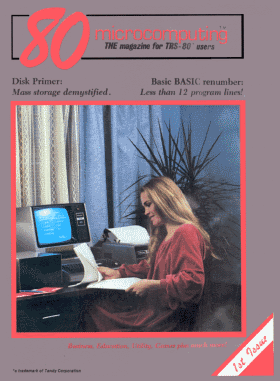
with independent, reader cantered content. It became a platform for software and hardware reviews, programming guides, and a voice for users outside the influence of Tandy, the TRS-80 manufacturer. Founder Wayne Green’s approach of creating a dedicated magazine for a specific computer model proved highly successful, inspiring later computer magazines. Despite its initial popularity, 80 Micro eventually declined as Tandy shifted focus to IBM-compatible PCs, ending publication in 1988.
Let's start with nostalgia this week! I know it has been missing from previous editions :) I remember this magazine when I was a kid, and looking at it now, it's interesting to see a magazine prioritising readers interests over advertisers - oh the good ol'times. Back then magazines were the source for information; to learn the news, to learn how to code and even have solutions or cheat codes for games. Also, having a way to get readers contributions was, back then, the road for success - think of it as an early Linkedin where everyone wanted to 'contribute'. The most interesting was the approach to advertisers, as I mentioned, where the editors would hold them accountable for crappy products and would bash them if they didn't deliver on the expectations. Nevertheless, the shift 80 Micro had towards the Tandy PC was a mistake and led to its fall.
The article “The Age of Depopulation” outlines a global trend of declining birth rates, predicting an era of shrinking populations and aging demographics
. This shift, marked by fewer births than deaths, could transform economies, strain social systems, and reshape geopolitics, especially as the workforce diminishes and dependency ratios rise. While technological and policy adaptations may offset some impacts, sustaining prosperity will demand rethinking immigration, labour flexibility, and social structures.
Alright, we need to talk about this! We know that global birth rates have fallen below replacement in many regions, which sets the stage for economic and social challenges as populations shrink and age. But, unlike past fears of overpopulation, I think this trend has deep and profound implications. We've seen labour shortages, increased dependency ratios, and a lot of economic pressure on social systems - that failed us in the last decades. I believe that adapting to these shifts will demand deep policy innovation, from immigration strategies to restructured labour and social support. Unfortunately, we're more concerned about other things than this, but it has always been like that.
It's the 75th anniversary of the barcode , so lets trace its evolution from a concept in the 1940s to a global retail and data-tracking tool.
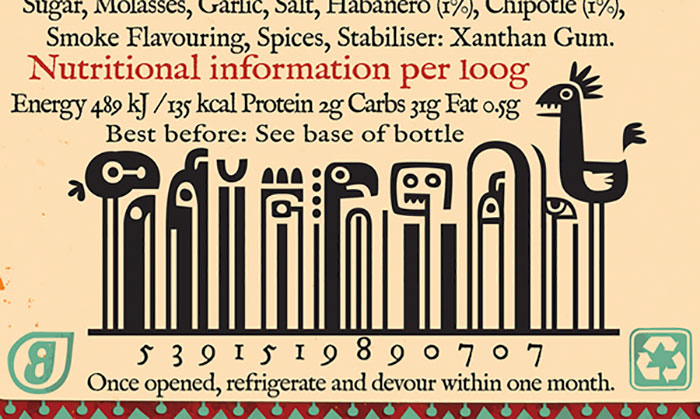
Initially patented in 1949, barcodes became essential in 1974 when supermarkets adopted them to streamline checkout lines, but the journey included unusual steps like testing laser safety on lab animals. The article also explores unexpected controversies, including conspiracy theories linking barcodes to the "mark of the beast." Despite these, barcodes transformed industries, even being used in space missions and healthcare to track items reliably, and eventually evolved into today’s QR codes.
QR codes are only a thing because of the pandemic, as before that no one was using them and they were deemed stupid. But to understand QR codes we also need to understand barcodes :) And this BBC article explains it quite well, and it's been an incredible journey for the barcodes; turning a simple pattern into an indispensable technology that touches every corner of modern life - which we don't pay attention anymore. The article explores the evolution that reflects both the ingenuity and anxieties of its time, like early fears about laser safety and the more surreal “mark of the beast” conspiracy. It’s fascinating to see how a mundane tool, now barely noticed, once sparked such controversy - yet it has stayed relevant by adapting into QR codes and beyond. This anniversary is a great reminder of how even the simplest innovations can leave a lasting mark (see what I did there? :) )
Microsoft’s latest advancements in autonomous agents through Copilot Studio and Dynamics 365 empower teams by automating complex workflow
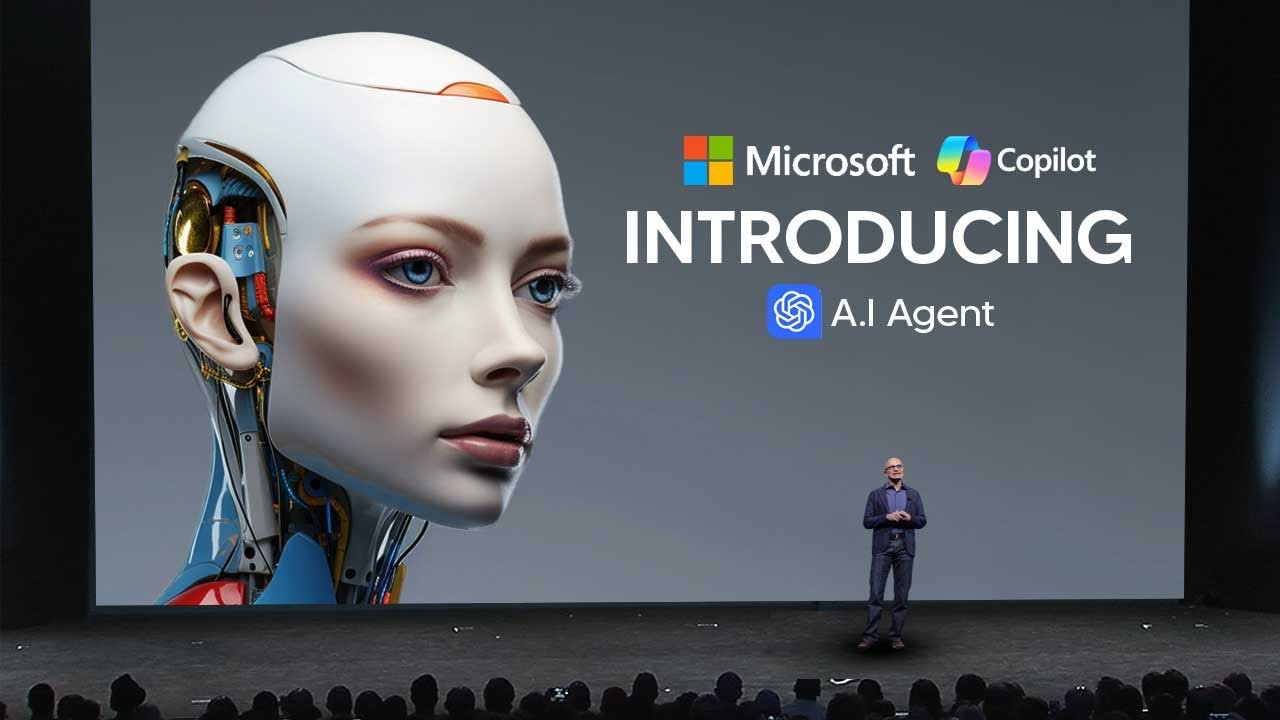
s across sales, finance, customer service, and supply chain management. These new AI agents support everything from lead generation to onboarding and customer service. With strong data governance measures in place, the tools aim to enhance efficiency and scale productivity, exemplified by companies like McKinsey and Thomson Reuters seeing significant time and cost savings.
October has been the month for the agents, the autonomous ones (in particular for the GenAI world). Later in the week, I'll do a #NowAboutThis video explaining this a bit further. But Microsoft’s new autonomous agents are setting a high bar for scaling team productivity. Currently the agents aren’t just doing repetitive tasks, they’re making complex workflows smarter across customer service, finance, and operations - at least that's what they're selling for the enterprise platform. There's a lot to talk about it, but I really like this new tech and way of doing automation and expanding creativity to everyday productivity. Anything that keeps people focused on their work rather than doing repetitive tasks, is for m the end goal of all of this. I think it’s an exciting glimpse into AI that amplifies human capability rather than replacing it, providing scalable solutions in real-world business scenarios.
The article traces the journey of Matchbox from its post-WWII origins, becoming a toy-car industry leader, to its eventual sale to Mattel.
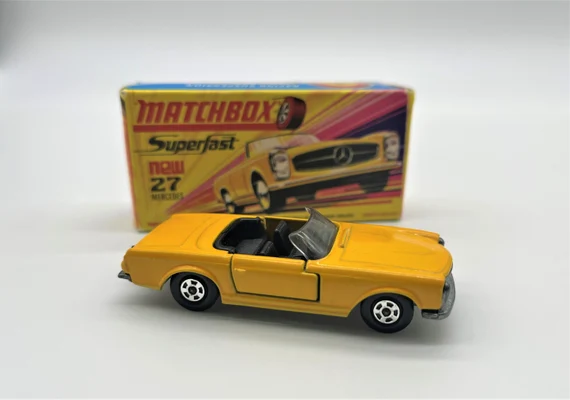
The article traces the journey of Matchbox from its post-WWII origins, becoming a toy-car industry leader, to its eventual sale to Mattel. Founded by John Odell and partners in 1947, Matchbox revolutionised affordable, realistic toy cars, ultimately outselling Dinky. Its iconic products, including a royal carriage toy and the "Matchbox-sized" models, captured global attention. However, competition from Hot Wheels and economic challenges led to its decline. Today, Matchbox is known for detailed models and still has a dedicated following under Mattel.
Twice's a charm! This edition has not only one, but THREE posts about the past and this one is a fascinating one for me. It's a great snapshot of innovation and nostalgia in the toy industry. I was more into the Hot Wheels world than Matchbox - I'm not that old! But it's interesting to learn about how the whole concept started and how it changed the toy market forever. It shows also that brands need to evolve to capture shifting tastes and competition - which reminds me of Lego and what they're doing to get younger and older kids (us). It's definitely iconic and this article serves as a piece of history behind the miniature masterpieces.
This Vox article featuring Mark Miller explores the concept of creativity through the lens of "predictive processing," a cognitive theory that views the brain as a prediction-making machine.

Miller suggests that while our brains constantly create predictive models of the world, stepping into states of “informational chaos” or uncertainty can enrich these models. This drive for unpredictability explains why humans find thrill in horror films, roller coasters, or abstract art—activities that jolt us from routine patterns and encourage new perspectives. Miller also likens meditation and psychedelics to these chaotic states, as they allow us to reassess assumptions and adapt more flexible mental models, potentially boosting creativity, resilience, and well-being.
Let's squeeze in one more article! The exploration of creativity as “informational chaos” rethinks how our brains thrive on unpredictability - and in the authors view, creativity is less about breaking the rules and more about stretching our mental models at the “edge of chaos,” where true learning and adaptability happen. This perspective sheds some light on why we’re drawn to things like horror films or meditation - they’re all ways of injecting uncertainty to keep our predictive minds agile and open to change. I think it's a fascinating reminder that our need for novelty and challenge isn’t just a quirk but essential for growth and mental resilience.
Last Week in AI
- Introducing Act-One from Runway Research | runwayml.com
- Claude has some new interesting features | oneusefulthing.org
- Large language models reduce public knowledge sharing on online Q&A platforms | academic.oup.com
- Invisible text that AI chatbots understand and humans can’t? Yep, it’s a thing | arstechnica.com
- Startup Hugging Face aims to cut AI costs with open source offering | reuters.com
- Llama 3.2: Revolutionising edge AI and vision with open, customisable models | ai.meta.com