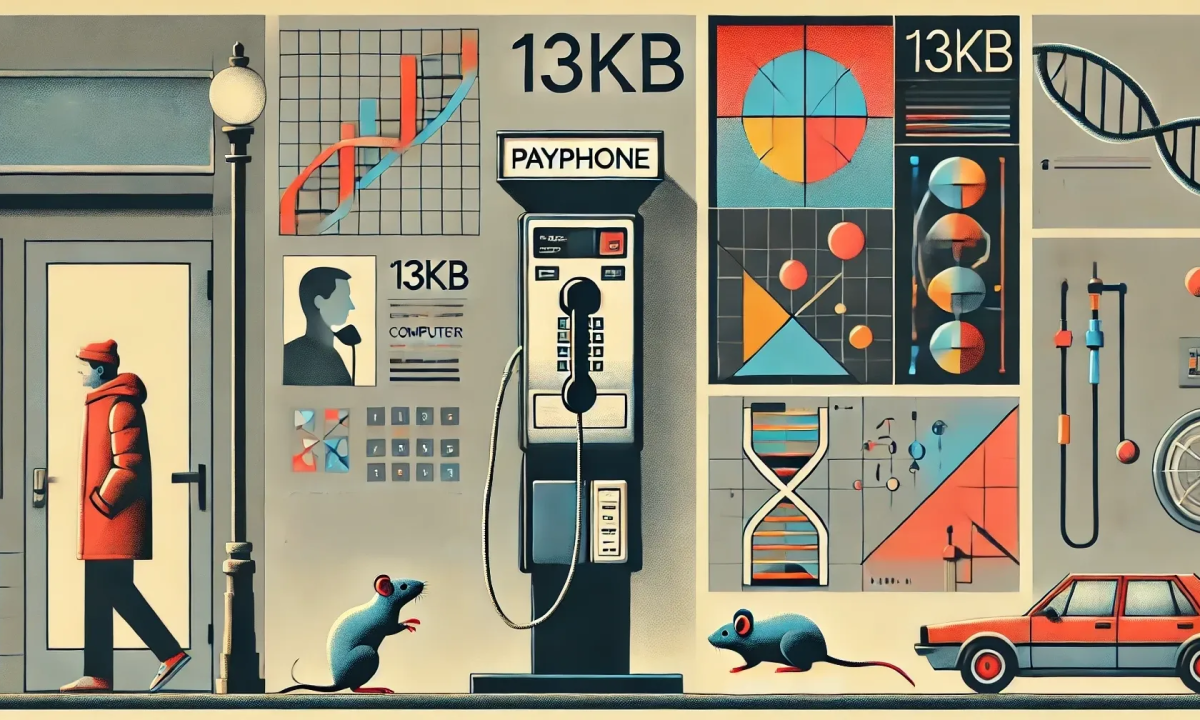
Another week, another mix between projects and innovations that blend nostalgia and cutting edge creativity! From the historical significance of lab mice in genetic research to the surprising relevance of environmental bacteria in antibiotic resistance, these topics reveal the importance of revisiting and rethinking past technologies. Then, whether it’s documenting the fading era of pay phones, examining groundbreaking VFX tools from Jurassic Park, or crafting a game in just 13KB, each story underscores how constraints can drive innovation and preserve cultural heritage. At the end, it reminds us that innovation often builds on the past, bridging old and new in unexpected ways. See you next week! 🙂
In this issue
5 piecesOrigins of the Lab Mouse
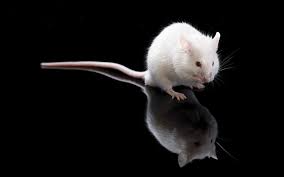
The “Origins of the Lab Mouse” traces the evolution of mice from Victorian curiosities to essential tools in biomedical research. It details the early 20th-century efforts of scientists like Lucien Cuénot and American researchers who used mice to validate Mendelian genetics. The piece highlights the mouse’s rise as a model organism, driven by its biological suitability and the establishment of standardised strains, particularly through the work of institutions like Jackson Laboratory. This standardisation has been crucial for advancements in genetics, cancer research, and drug development.
What an interesting story to read! It's one of those things you sometimes wonder how we get to that and now we know :) )99% of a mice gene is shared with humans, and that's quite impressive, yet only 10% of the drugs tested only succeed in clinical trials - so the effort and result isn't matched. And yes, there's the ethical consideration of using mice, which is still quite controversial. But as we seen in previous #RBM editions, that paved the way for synthetic data and the way GenAI/AI is using that to predict success and test in "digital twins" their hypothesis without any harm. BTW, Asimov Press has a ton of great articles, if you're interested in science and biology.
Nature has an interesting article about the expansion of antibiotic resistance research
Nature has an interesting article about the expansion of antibiotic resistance research to environmental bacteria, which traditionally has focused on clinical pathogens. Researchers have found that bacteria in soil, rivers, and other natural environments possess resistance genes that could transfer to human pathogens, complicating efforts to control antibiotic resistance. The findings highlight the importance of monitoring environmental bacteria as reservoirs of resistance and call for a broader scope in combating antibiotic resistance beyond clinical settings.
Science is a beautiful thing, isn't it? :) So, expanding antibiotic resistance research to include environmental bacteria is an incredible step forward. It's incredible that these natural environments might "harbour" resistance genes that could eventually make their way into clinical settings. But, the impact of these environmental genes on human health is still questionable, and there’s a risk of spreading our focus too thin - and money too. At the end its the balance between the exploration of environmental reservoirs and ongoing clinical efforts, will be the key in creating a comprehensive strategy to combat antibiotic resistance - I think :)
The Payphone Project
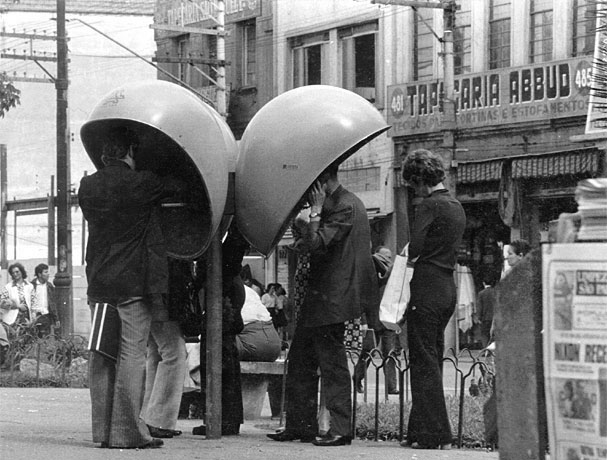
The Payphone Project documents the locations and stories of pay phones across the U.S., capturing the history and nostalgia of these once-ubiquitous communication tools. It includes photos, maps, and personal anecdotes, illustrating the decline of pay phones in the digital age and preserving their legacy as cultural artefacts. The project reflects on how pay phones connected people before the rise of mobile technology.
Big Nostalgia Time!! I know that this #RBM audience still remembers what a payphone is, and some might used one when they were younger (lets say that...). Nowadays payphones are completely obsolete and it's good to see a project documenting them, so that future generations know at least what they were. It's both an outdated tech and system, product and clearly way to communicate, but back in the day they were everywhere. I still remember working at the postoffice and opening phone lines for people to make calls. This is of a cultural significance and shows its decline in modern times, but also provides a proper archive for this tech in communication history. If in London, check out the project telephone (Orelhão) booth at Trinity Buoy Wharf.
The VFX Blog
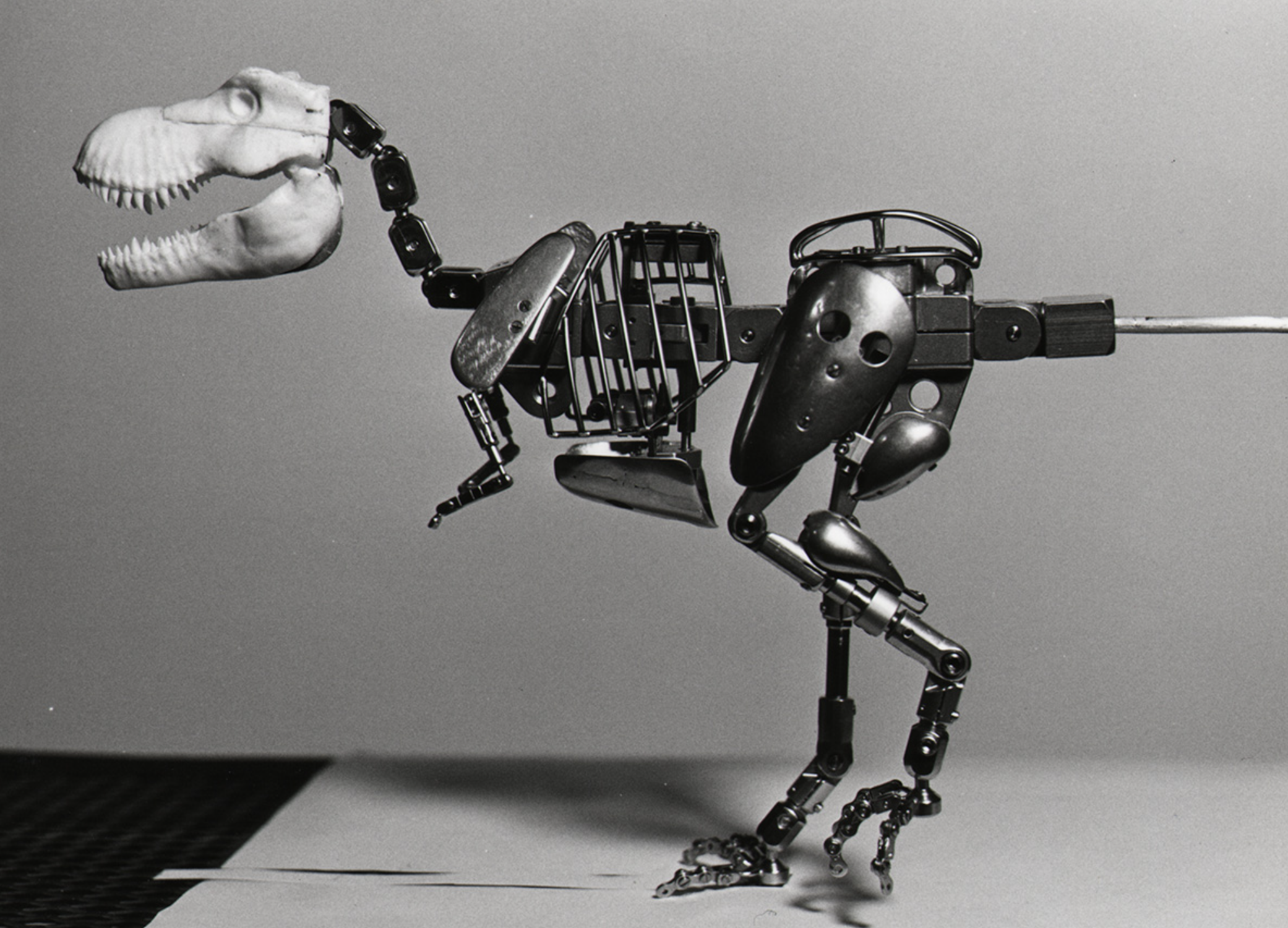
The VFX Blog discusses the fascinating history of the “Dinosaur Input Device,” a specialized tool used by Industrial Light & Magic (ILM) during the production of Jurassic Park. The device was designed to allow animators to input dinosaur movements directly into a computer, revolutionising how realistic creature animations were created. This innovation marked a significant leap in VFX technology, blending traditional puppeteering with digital animation.
Lets channel our inner kid, shall we? :) We all remember Jurassic Park, right? So this is what dream - or nightmares - are made of. The Dinosaur Input Device was pivotal for that particular movie and it blended traditional puppeteering techniques with digital animation. It allowed for animators to create and capture more realistic movements for the movie, and it clearly advanced the visual effects industry. Unfortunately nowadays a lot of it is just digital, computer made, which is still great - don't take me wrong - but it isn't the same thing - is it? I wonder what would be the behind the scenes in the future; "and here we just put what we wanted in a prompt and seconds later we had the scene" :) As someone with an engineering degree, having devices over hand (animation) is always a struggle of the creator vs machine. That's why I still love everything Aardman studios do :)
The amazing FrankForce describes
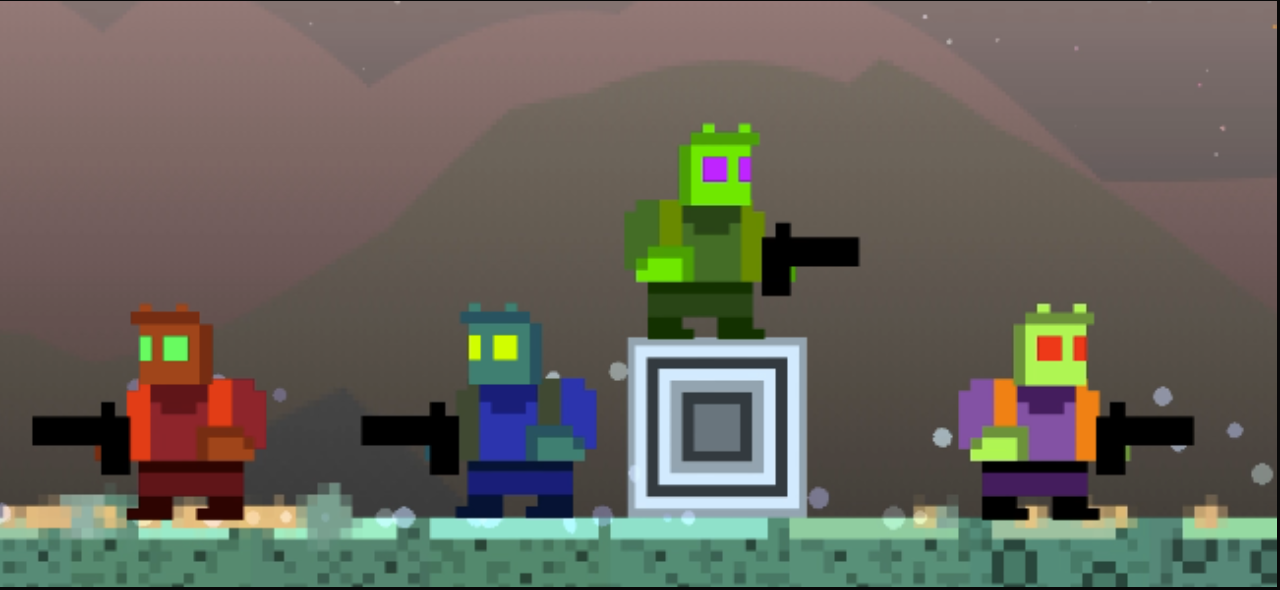
The amazing FrankForce describes how he created the game Space Huggers in just 13 kilobytes. It details the creative process, techniques used to minimise file size, and the challenges of working within such constraints. The author also reflects on the joy of returning to the fundamentals of game design and the satisfaction of producing a fully functional, entertaining game with minimal resources.
Finally some geeky stuff! 13 kilobytes! 13!! That's an impressive feature to achieve! It's the beauty and simplicity coming together in a game design. Sometimes creativity thrives within constraints, right? I always love how ingenious we can be and this project and game clearly shows that; how to make the most of limited resources. It's exactly the same constraints we had back in the days and revives the spirit of classic game development, where every byte mattered. It's inspiring to see how much can be accomplished with so little - I'm repeating myself here, but 13Kb is amazing! Go check it out :)
Last Week in AI
- Microsoft’s Recall AI feature won’t be available for Windows testers until October | theverge.com
- Procreate takes a stand against generative AI, vows to never incorporate the tech into its products | techcrunch.com
- OpenAI: Fine-tuning now available for GPT-4o | openai.com
- Hermes: Experiment, and push the boundaries of individual-alignment, artificial consciousness, open-source software and decentralisation | nousresearch.com
- NEW: Prompt optimisation, automated voice testing | hamming.ai
- Google brings AI answers in Search to new countries | reuters.com