Welcome to another #RBM edition! This week lets explore the challenges in publishing null research results, how Amazon’s Echo device strategy struggles and is rubbish, and the intense semiconductor competition between Intel, Samsung, and TSMC. Finally we have an innovative “Model of a Mind” which offers new perspectives on digital cognition. Plus, don’t miss updates on retro gaming – whhhhhattt? – and the latest in GenAI, including OpenAI’s SearchGPT and Meta’s open-source AI approach.
In this issue
5 piecesSo you got a null result. Will anyone publish it? " by Max Kozlov discusses the challenges researchers face in publishing studies with null or negative results
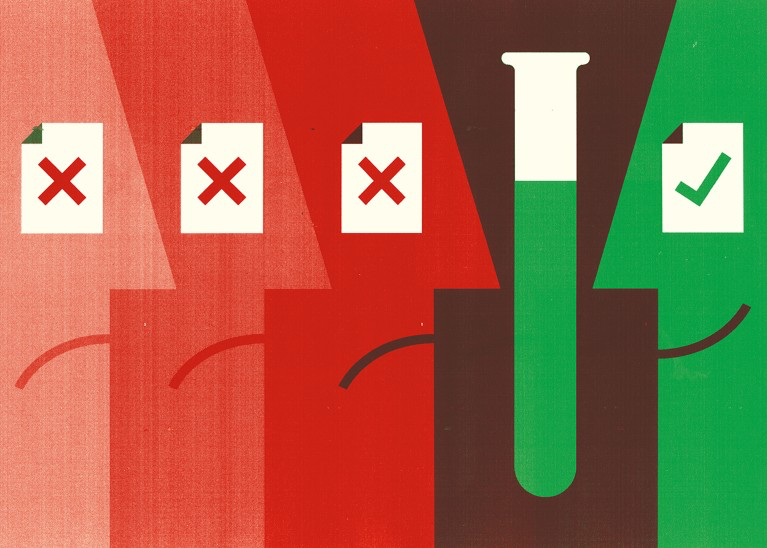
, often due to publication bias favouring positive findings. It highlights efforts to address this issue, such as registered reports and pre-registration, which aim to ensure all results, regardless of outcome, are published. The article underscores the importance of these practices for scientific integrity and the accurate representation of research findings.
Publication bias is a PITA. We all suffer from that. Even when I'm doing this weekly newsletter, I try to get some interesting articles to talk about in a positive way, to get your interest, but sometimes it's really hard to publish the null and dull articles - that I also find interesting but requires a deep understanding and I know that my audience here is quite broad. I can then imagine this in science and publishing scientific papers, the null results will not be published, which leads to publication bias. At least this bias is different from the other media that we get as news - which the bias right now is absurdly high. So, whilst open science practices are being promoted to address publication bias, their adoption is uneven across different regions and fields, resulting in inconsistent progress towards truly transparent and inclusive scientific practices.
Amazon's strategy to sell Echo devices at low prices, expecting revenue from subsequent customer spendin
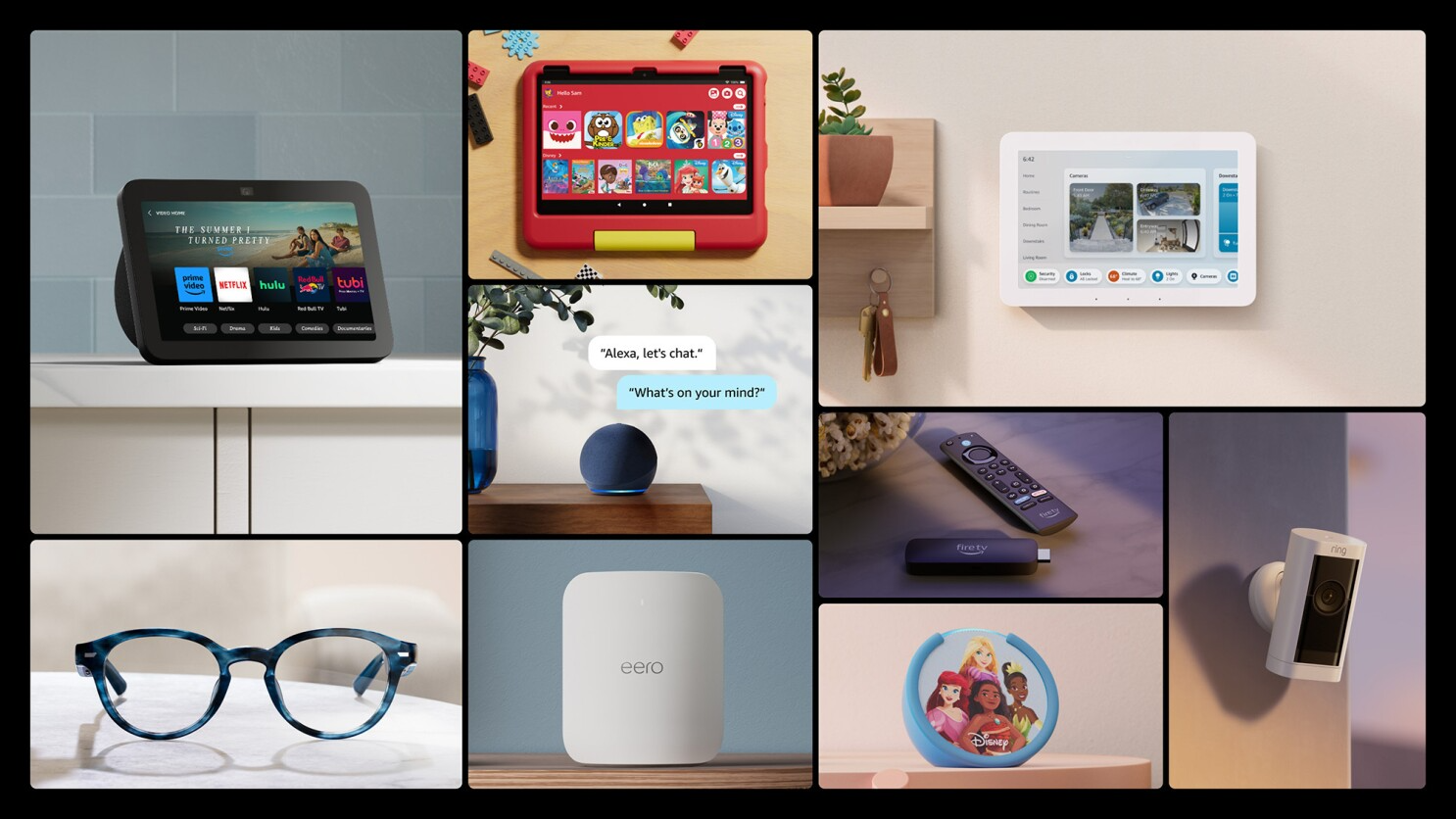
g, has failed to yield the anticipated returns. Despite hundreds of millions of Alexa-enabled devices sold, users primarily utilise Echo for free features rather than making purchases through the voice assistant. As a result, Amazon has incurred over $25 billion in losses from its devices business between 2017 and 2021. CEO Andy Jassy is now attempting to reverse these losses by implementing changes such as introducing a paid tier for Alexa. However, there are concerns about the effectiveness of these new strategies.
I've been a long time user and evangelist for Amazon Alexa and Echo devices. I have one practically in every room and the first Echo (the tower with a rotating nob) was the first to be bricked by Amazon - which then later I 'hacked' and got it to register and connect again to wifi. But the current strategy is all wrong as they're just relaunching the same device over and over again, without any innovation or even proper 'intelligence'. Amazon has so much data, preferences and knowledge that could make the Alexa what ChatGPT is now, but it skipped all of that and now is trying to find its meaning on this modern GenAI world. Having a paid tier for Alexa is just to shoot yourself in the feet and then complaining about it.
The competition between Intel, Samsung, and TSMC in the semiconductor industry is intense
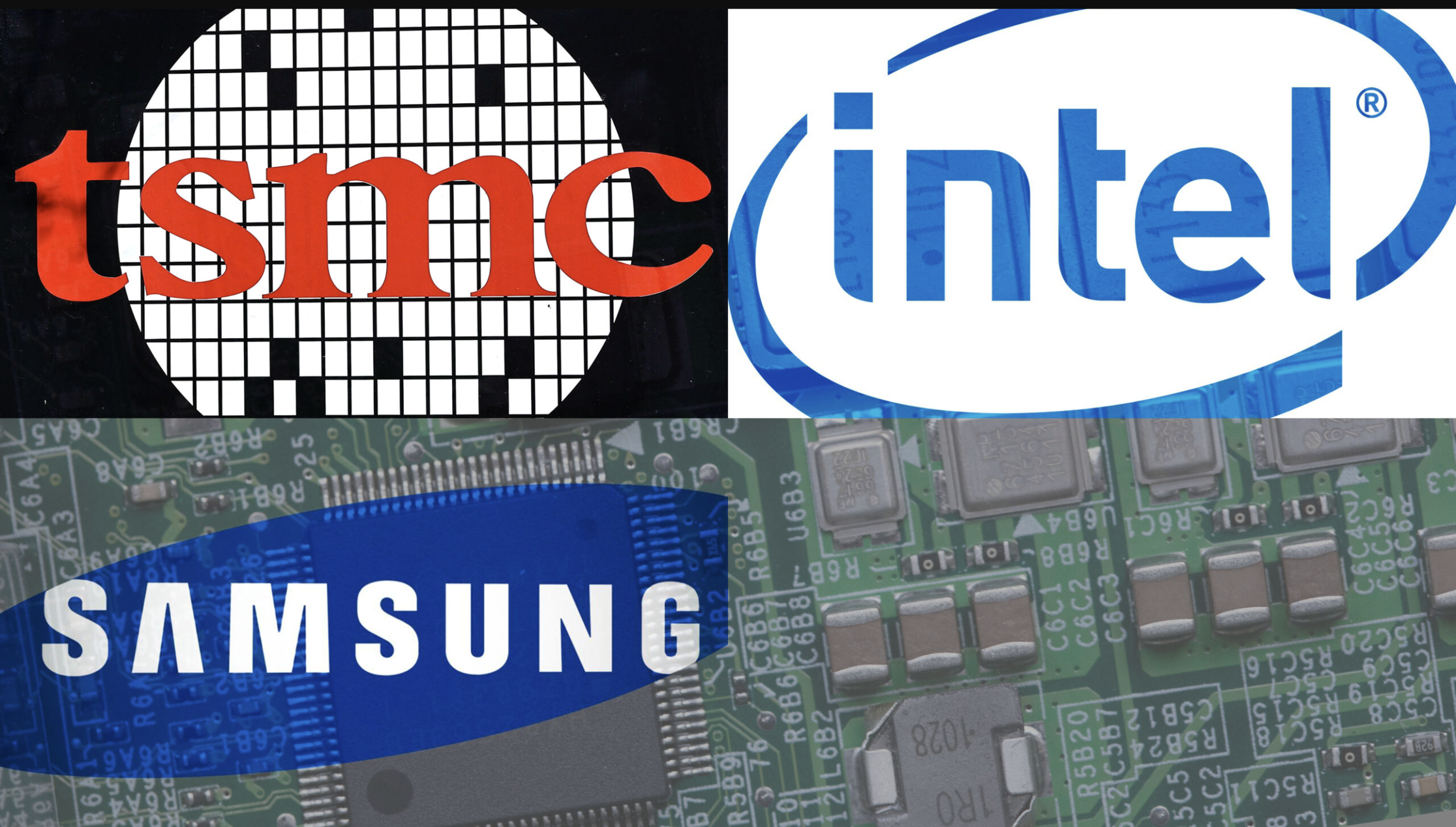
, with each company striving to lead in advanced chip technology. TSMC currently holds a dominant position, particularly in revenue and process nodes, producing chips for major clients like Apple and Nvidia. Samsung is focusing on closing the gap with TSMC through its upcoming SF4P and SF3 fabrication nodes, leveraging gate-all-around (GAA) transistors to potentially surpass TSMC's FinFET technology. Each company's advancements are driven by the demands of AI and data processing, emphasising modular design and thermal management solutions.
Intel is in deep trouble. The recent issues with their CPUs is another nail in their coffin. Also the entire computer industry is in trouble now with the UEFI security issues. Anyway, if you're having an ARM CPU right now, you're doing something wrong. The x86 architectures and in particular Intel CPU's are still trying to catchup with the Apple M1 from 4 years ago and they're nowhere near what they should be. But in the ARM world the competition is ferociously and hard to keep up. Obviously the semiconductor manufacturers are competing to get the faster ARM architecture and capabilities. Even OpenAI want their own cake.
Tyler Neylon's "A Model of a Mind" presents a conceptual data-flow architecture for understanding and creating digital minds
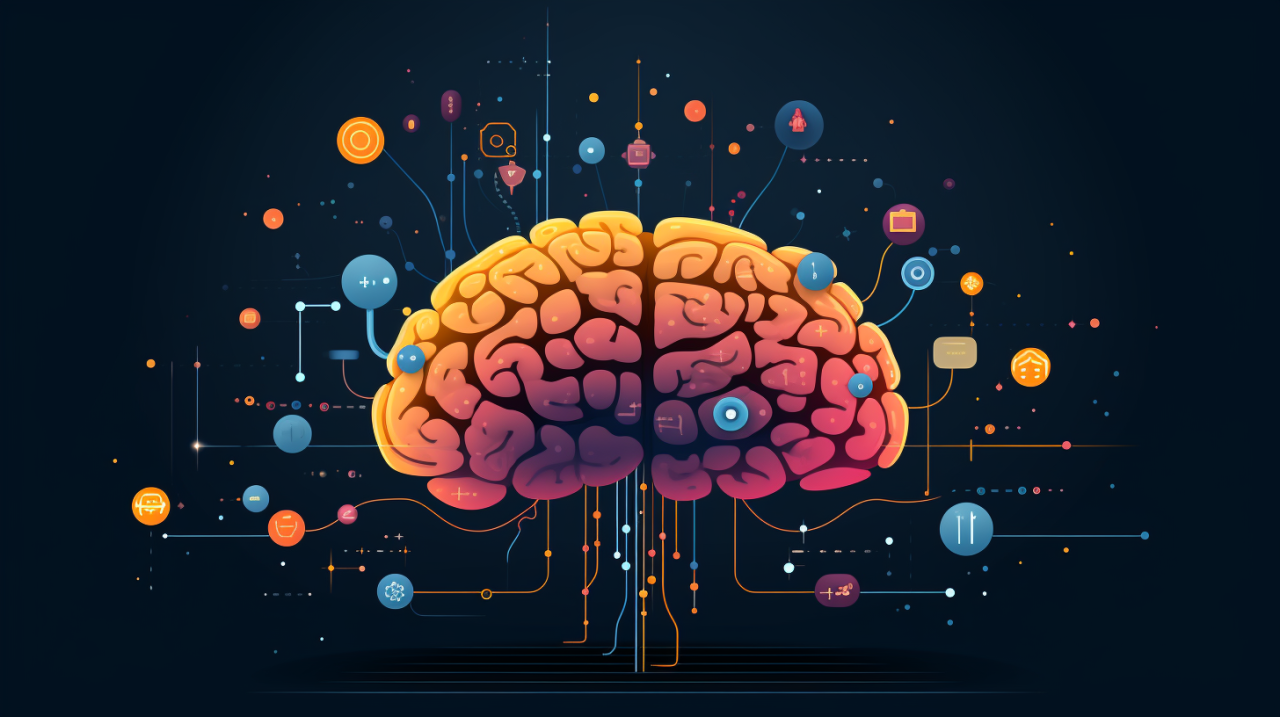
, focusing on agency, learning, thinking, and introspection. The model views the mind as a network of parallel-processing modules, similar to a neural network, that interact in real-time. Central to this model is the "action model," which processes inputs and generates actions, paralleling how language models operate. This framework aims to simulate human-like behaviour and thought processes, potentially advancing both AI development and insights into human cognition.
I can't geek out enough for this! It's really fascinating how we're creating the future. The digital mind will be modelled as a network of parallel-processing modules that interact, much like a neural network. This central module processes inputs and generates actions, similar to how language models function. Finally the model emphasises mechanisms for learning and self-reflection to enhance understanding and decision-making. Love it!
free retro gaming called Batocera
What? What dis? Another specific section for geeks? Nahhhhh :) Just assorted links that I want to share with you, my retro nerds, since I know you like this stuff.
Last Week in AI
- AI found to boost individual creativity -- at the expense of less varied content | sciencedaily.com
- Meta: Open Source AI Is the Path Forward | about.fb.com
- AI expert to lead Action Plan to ensure UK reaps the benefits of Artificial Intelligence | gov.uk
- OpenAI announces SearchGPT, its AI-powered search engine | theverge.com
- AI boyfriends from Replika and Nomi are attracting more women | axios.com
- Google DeepMind: AI achieves silver-medal standard solving International Mathematical Olympiad problems | deepmind.google
- Mistral: Frontier AI in your hands | mistral.ai
- Microsoft’s Designer app arrives on iOS and Android with AI editing and creation | theverge.com