Another week, another #RBM edition – and now I’m on vacation, finally! So, according to a report by CBRE, the demand for datacentre space is surging due to AI advancements, despite widespread power shortages that affect capacity expansion and drive up prices. Then we’ll discuss the historical and philosophical perspectives on the software crisis, which refers to the growing complexity of software outpacing hardware advancements and leading to abstraction and inefficiency. How about preservation of art’s intrinsic value and its role in liberating and enlightening society? It’s a warning against the commercialization and simplification of artistic expressions. Microsoft AI CEO made the news with a statement that content on the open web is considered “freeware” for AI training, unless explicitly restricted by the content creator, sparking ethical and legal debates over the use and monetisation of online content without direct permission. Finally, the nostalgic part of the newsletter and we’ll explore the concept and technique of character tiling, which is the arrangement of characters in a grid-like pattern for graphical representations in software and games, providing historical context, modern applications, and practical advice on implementing character tiling in contemporary projects. See you next week!
In this issue
5 piecesThe demand for datacentre space is surging due to AI advancements
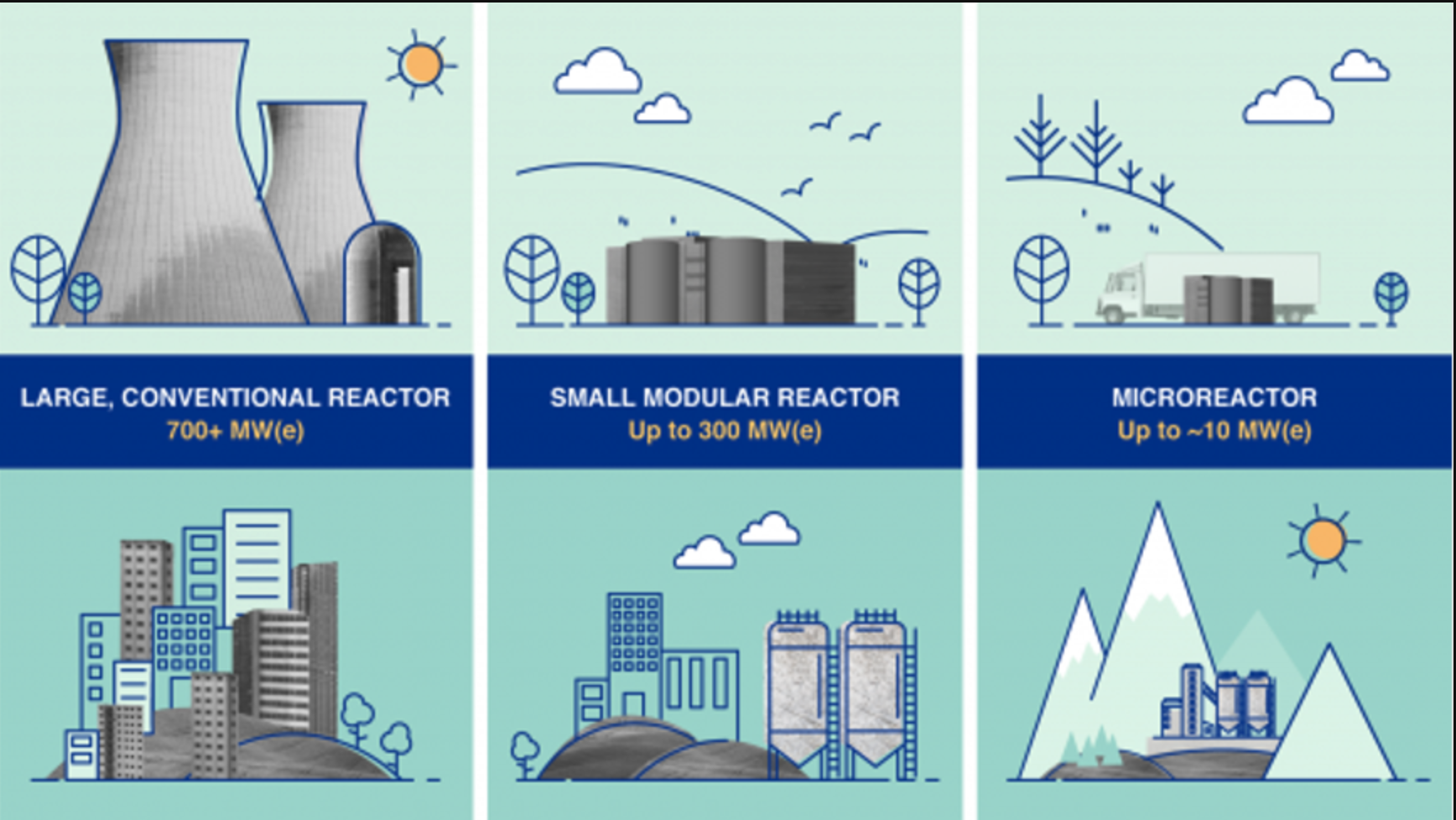
The demand for datacentre space is surging due to AI advancements, despite widespread power shortages, as reported by CBRE. These shortages are the primary concern globally, affecting North America, Europe, Latin America, and Asia-Pacific, where construction delays also complicate capacity expansion. The power constraints are prompting governments to streamline permitting and integrate renewable energy solutions. This high demand is driving up prices, particularly in North America and Europe, with pre-leasing becoming common to secure future capacity. Emerging markets like Oslo and Madrid are also seeing increased investment due to lower power costs and strategic importance.
I've talked about this on #TWIGAI and a couple of weeks ago I was talking about GenAI at the Hitachi Digital Services launch event and someone asked me if this whole thing of GenAI is sustainable. My answer was an immediate "no!" but "it's improving, we're coming up with better solutions to reduce the energy consumption and overall carbon footprint, but it needs to get worse before it gets better". I think we're just starting to untangle this new thing and it's not even yet for everyone. We don't have it on our phones (Apple Intelligence), there's nothing mass installed on the laptops (Copilot PC) and organisations are just starting to realise the benefits of GenAI. So there's a long way to go and obviously not having enough power to "power" the GenAI evolution and electric vehicles revolution, is a massive issue. The only solution is going to nuclear to power datacentres or clearly adopt renewables at a massive scale. Both depend on governments and people to accept them. Without it we can't have the "nice things" :)
The "software crisis" was first highlighted at the 1968 NATO Software Engineering conference and later underscored by Edsger Dijkstra in 1972
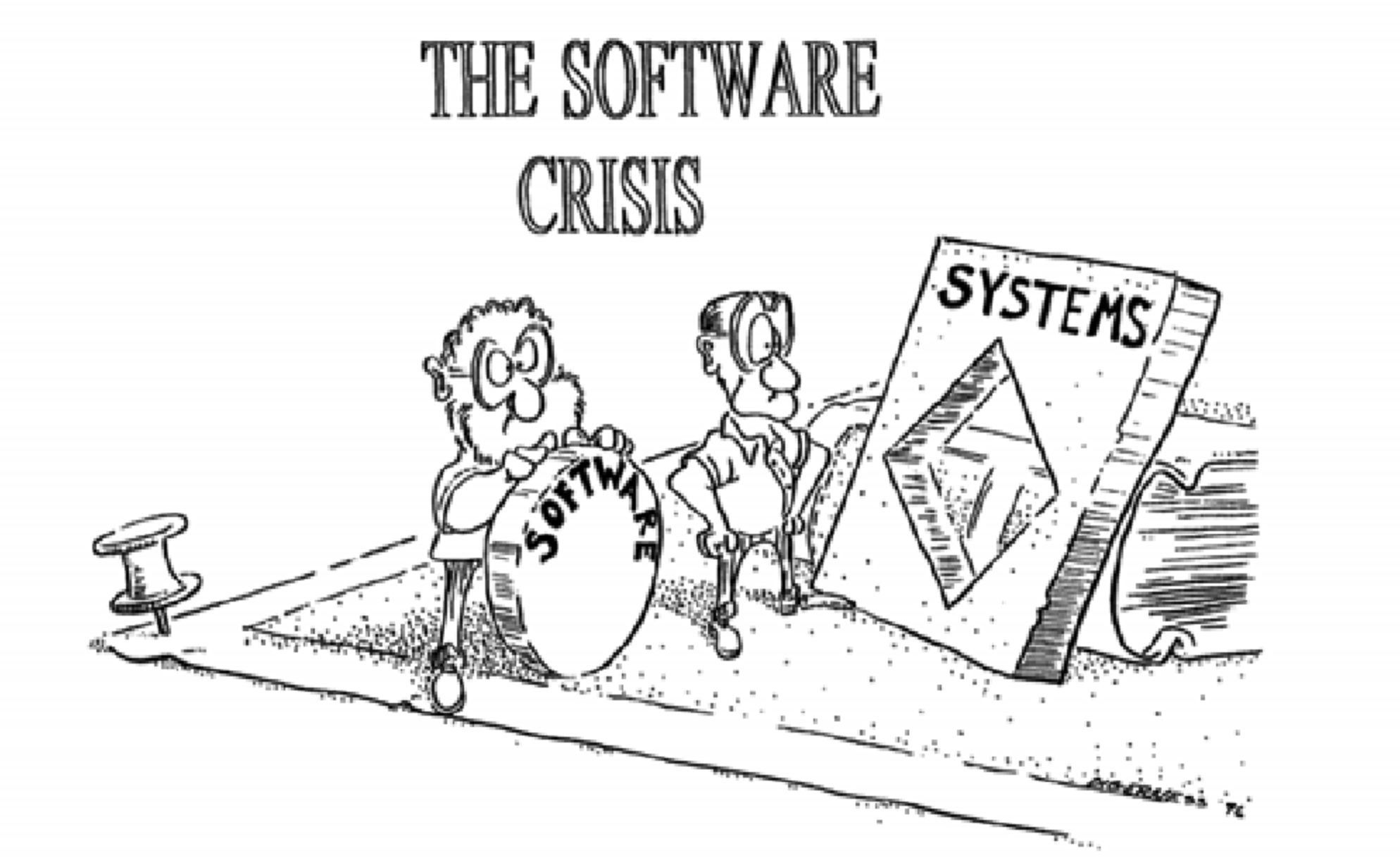
, emphasising the growing complexity of software outpacing hardware advancements. While modern practices have seemingly mitigated the crisis, the reliance on abstraction has masked underlying issues. This comfort stems more from acceptance than genuine resolution. Solutions propose limiting abstraction layers and preserving information to bridge the semantic gap, fostering more accessible and efficient software development and usage.
We all heard that software is eating the world but this article looks at the historical development and challenges of software engineering, while Andreessen's view discusses the contemporary dominance of software in transforming industries. Software, at the end, is always about complexity and abstraction vs the economic and strategic benefits. But we can say that complex software always revolutionises the market and disrupts things. I'm thinking about all the LLM's launched for the past year, the complex algorithms and math being produced to cope with that new category. It's an amazing world!
Donna Tartt’s essay, "Art and Artifice," explores the enduring and transcendent nature of true art versus the superficiality of artifice.
She draws on historical perspectives and philosophical arguments, emphasising that real art connects us with deeper truths and human experiences, while artifice is designed to manipulate and control. Tartt argues for the preservation of art's intrinsic value and its role in liberating and enlightening society, warning against the commercialization and simplification of artistic expressions.
Genuine art connects deeply with human experience and transcends time, offering a profound contrast to artifice, which aims to manipulate and control. But the commercialization of art in my opinion really dilutes its true essence and reduces it to mere commodity. Just like software development, that is currently driven by prioritising market features over robust, secure, and user-centric design. Software should remain useful and effective rather than becoming a mere product of commercial pressures, just like art :)
Microsoft's AI CEO, Mustafa Suleyman, stated that content on the open web is considered "freeware" for AI training , unless explicitly restricted by the content creator.
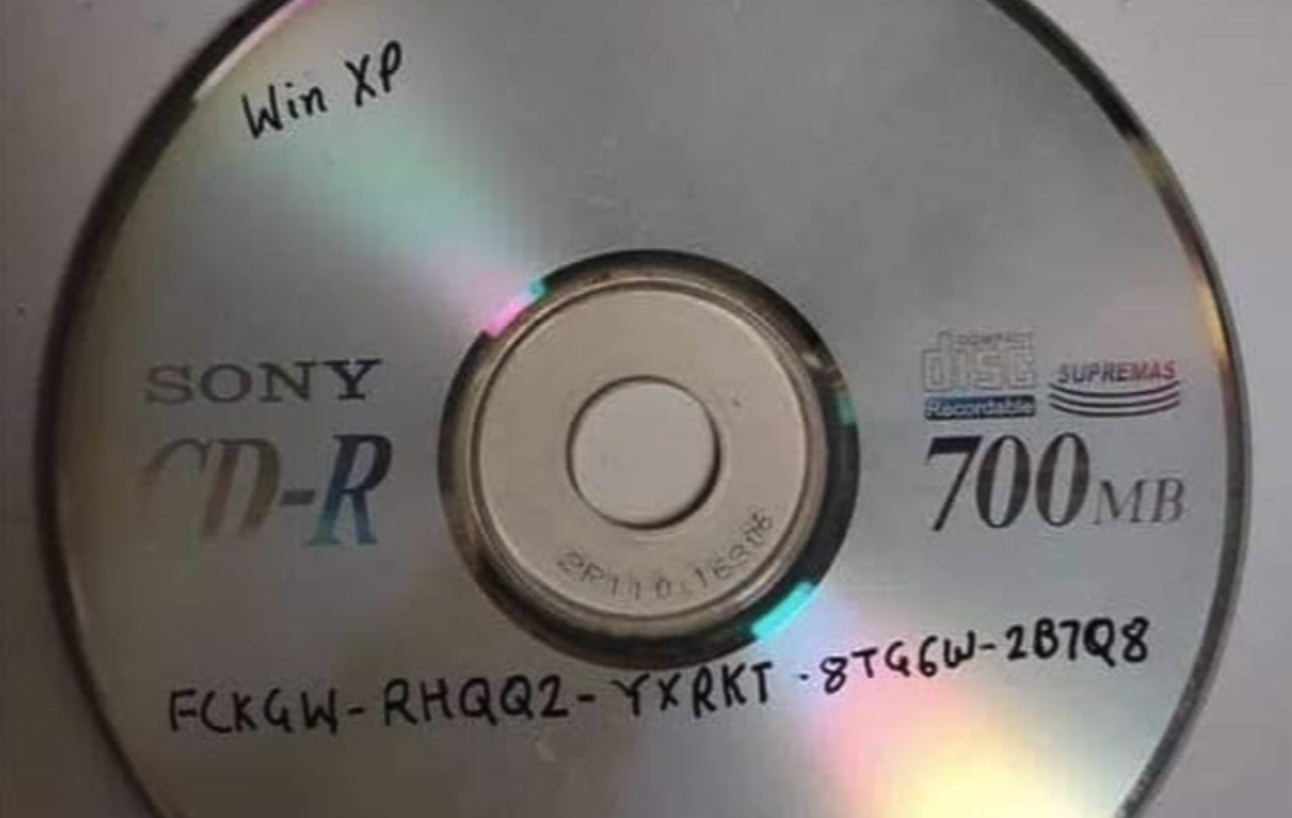
This stance has sparked controversy, with critics arguing it amounts to theft, especially as AI-generated content often monetizes this data. The debate centres on the ethical and legal implications of using online content without direct permission, highlighting the need for clearer regulations and respect for content creators' rights.
FCKGW-RHQQ2-YXRKT-8TG6W-2B7Q8 - Back in the days we knew that by heart, didn't we? Just like Windows was "freeware" back then, saying that if a content is on the web, then it's free, is quite a stretch... a weird flex one too, for the company that created the EULA. We clearly need to understand what content can and cannot be used (or how to remove it) from LLM's. Probably the same rule of the right to be forgotten on Google, needs to apply to what the LLM knows about us and how it generates content from us. Github Copilot has a metric of 65 lexerne - a basic abstract unit of meaning - that if the output code is matching something already available, it doesn't reply to you. The same metric should be used for LLM's where if the output is matching ipsis verbis something else, then it should notify us and reference that.
The Character Tiling post explores the concept and technique of arranging characters in a grid-like pattern for graphical representations in software and games
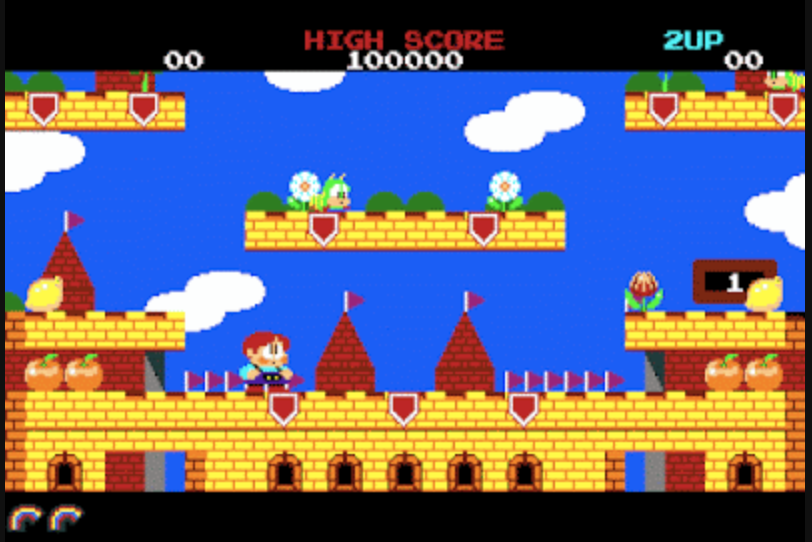
. It discusses historical context, detailing how character tiling was essential in early video game development due to hardware limitations. The article also explains modern applications and provides practical advice on implementing character tiling in contemporary projects, highlighting its efficiency and versatility in creating detailed and scalable graphics.
Ah!!... the nostalgic post! right? :) yes! Pretty much! It's a flashback of how crucial it was in the early video games to have character tilling due to the hardware constrains and limited memory. Today it feels that we can always add a better GPU and CPU or more RAM to it and don't care about limitations. But back in the days, that wasn't possible ($$$), at least for me that always had to support my gaming and earn for it. It's a great reference for today’s game developers.
Last Week in AI
- AI resurrects deceased actors’ voices to read audiobooks | edition.cnn.com
- YouTube now lets you request removal of AI-generated content that simulates your face or voice | techcrunch.com
- Meta drops AI bombshell: Multi-token prediction models now open for research | venturebeat.com
- A Hacker Stole OpenAI Secrets, Raising Fears That China Could, Too | securityweek.com
- Bruce Schneier is writing an upcoming book on AI and democracy | schneier.com
- Kenyan protesters are using AI in their anti-government fight | semafor.com