
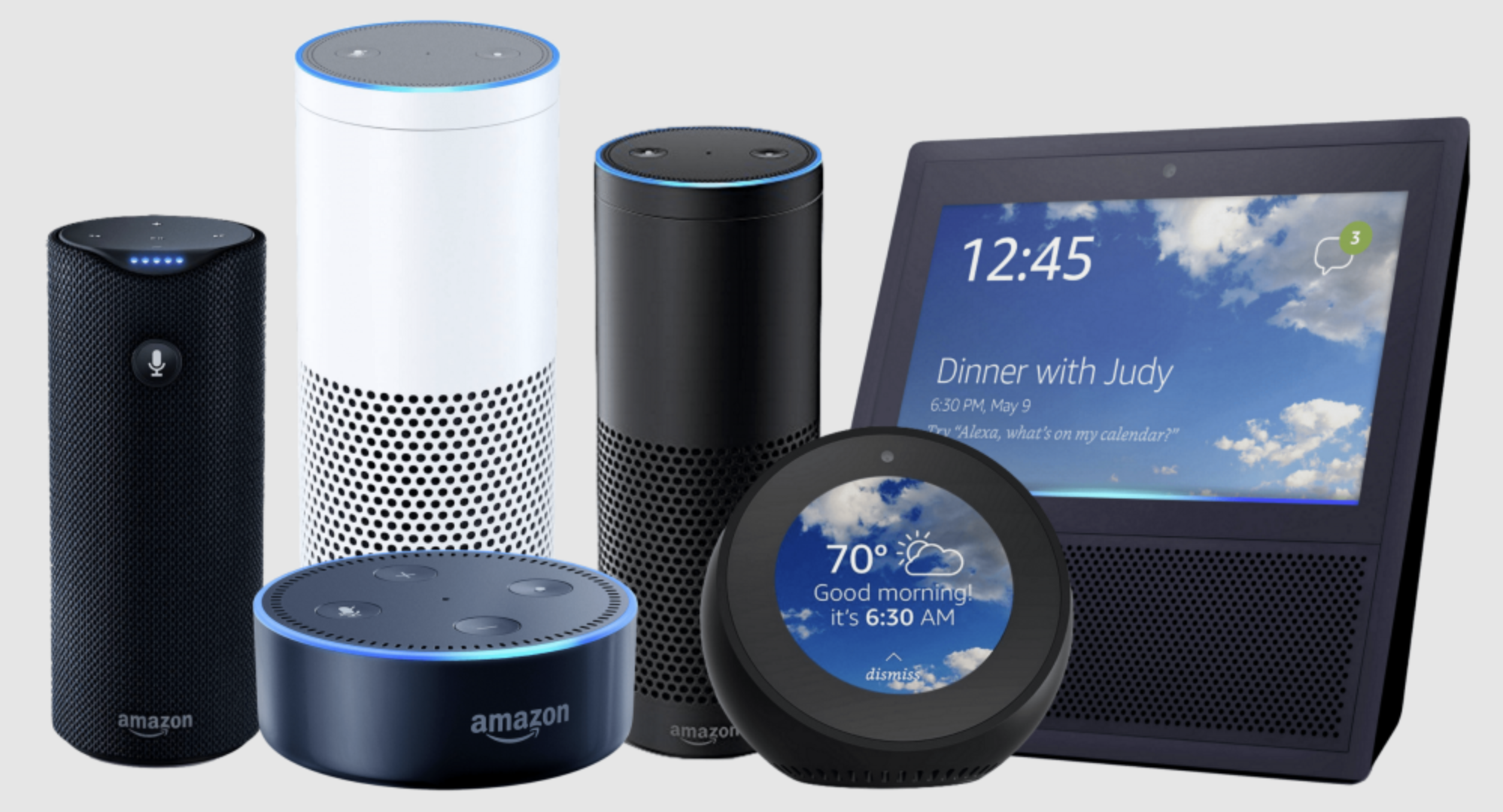
I’ve been an avid Alexa user and developer, but its poor performance and limitations despite excellent hardware have always frustrated me. Amazon should definitely leverage LLMs to improve Alexa. In the browser world, Arc is my top pick for user experience, outshining Chrome, Edge, and Firefox, which seem more focused on becoming operating systems. Then we’ll focus on the complexities of establishing water infrastructure in the South Pole, which are fascinating, showing how innovative solutions are essential in extreme conditions. Finally, ARM continues to impress with its superior performance per watt and AI advancements, putting it miles ahead of Intel and AMD. Did you know that this year is the 23rd anniversary of the Game Boy Advance? It brings back fond memories of countless gaming hours, with retro tech staying relevant through new multi-console devices like the Anbernic. This week in GenAI, highlights include Luma’s Dream Machine launch, AI’s growing role in banking, new models from Apple and OpenAI, WARC-GPT for web archives, AI agent comparisons, and Brazil’s innovative use of OpenAI to cut court costs.
In this issue
5 piecescriticises Alexa's failure in advancing conversational AI despite significant resources and talent.
Mihail Eric He highlights key issues as technical and bureaucratic challenges, such as poor data management, cumbersome internal processes, fragmented organisational structures, and misaligned product-science goals. These killed collaboration and innovation, resulting in underutilised product - and even tech. He also suggests future improvements should focus on robust developer infrastructure, leveraging LLMs, and aligning research timelines with realistic product goals to ensure better outcomes in conversational AI development.
I've been a long time user of Alexa, almost from its start. Even created a company with a friend to build custom Alexa Skills for customers. During that time I did an News Skill that would deliver news everyday under 2 minutes. It started with my own voice, then I moved it to be more automated by using IBM Watson and scripts. It hit a large audience in US/Europe/UK and Australia. I have several Alexa devices (more than what I should) from the first Echo to the last one, with and without screens and even the buttons (yes, there were Alexa buttons for people to play games). Alexa even did a short appearance in one of my videos. That said, I always got frustrated with the way Alexa was the worst assistant ever, even me scream at it multiple times and getting mad every time. But the limitations were far than the experience and convenience. They have great - if not the best - devices for Assistants and audio, but the software, the experience is the worst. So, I would expect that the first work with LLM's at Amazon would be Alexa, but unfortunately we're not there yet.
the challenges and inefficiencies in modern browser engine development

This article discusses. It highlights how browser vendors struggle with balancing performance, security, and web compatibility while also dealing with complex codebases and a lack of coordination between teams. The author suggests that the development process could be improved through better collaboration, more modular code, and a stronger focus on fundamental principles rather than adding features reactively. This approach would enhance browser stability and performance, leading to a more consistent and reliable user experience.
Hi! Ex-Gopher, Ex-Netscape, Ex-Opera, Ex-IE, Ex-Firefox, Ex-Curl, Ex-Chrome, Ex-Brave, Ex-Safari user here. I found my best browser experience with Arc - ping me for invites. It simply works and delivers one the best experiences I had with browsers by far. Fortunately I never had to build a browser or work on it, but I compiled a few back in the days and I've been seeing how the Arc guys build theirs and it's not easy to compete with the 'big dogs', but it's possible. Stability, performance, yes it's mandatory, but also experience and I feel Chrome, Edge, Firefox are the same and focused on building an operating system on top of their browsers instead of customer experience - where Arc excels.
Here you can examine the complexities and challenges of establishing water infrastructure at the South Pole.

It details the logistical difficulties, extreme weather conditions, and technical obstacles faced in this harsh environment. The author emphasises the importance of reliable water systems for sustaining scientific research and supporting personnel at the South Pole, advocating for innovative engineering solutions and international collaboration to overcome these hurdles. This infrastructure is crucial for the long-term viability of research stations and the advancement of polar science.
Fascinating stuff, isn't it? Have you ever thought how the water infrastructure works in the poles? Amazing! I love this kind of details and information. From a technical point of view doesn't feel complicated, we all have pipes in our homes and we can do something by just going to the DIY store and buy stuff. But add just a slight detail of below zero temperatures and then the problems start - for everything. Great article!
, CEO of Arm, discusses the company's transformation since its IPO
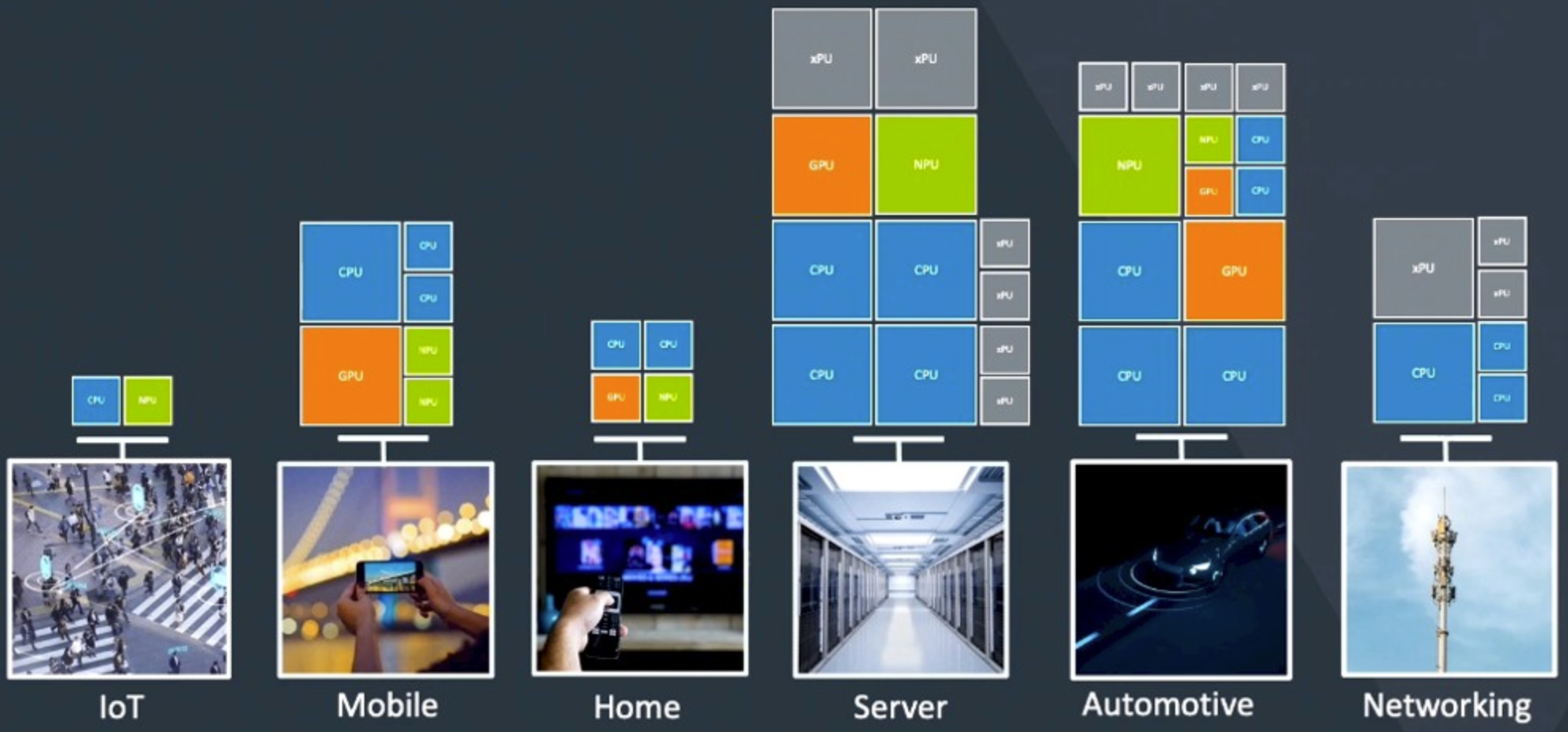
Rene Haasand its focus on diversifying from mobile to PCs, automotive, industrial components, and servers. Highlighting Arm's role in AI, Haas explains the shift in application ecosystems favouring Arm and the strategic importance of AI in various devices. He emphasises the power efficiency of Arm's designs, their growing presence in cloud computing with giants like Microsoft, Amazon, and Google, and the potential of AI in enhancing technology and medical fields. He also touches on collaborations, such as with Intel, and the broader implications of AI advancements.
ARM has been one of my favourite companies in the world. Not only for their products that now fuel all of my devices - laptop, phone, desktop, tablet, single-board. Even did several videos about it for my #NAT series. I don't see Intel or AMD even getting closer to the performance per watt that ARM has, plus all the stuff they don't do and I feel they'll be the power too for the new AI generation - as Rene describes in the interview.
Inverse commemorates the 23rd anniversary of the Game Boy Advance, highlighting its impact on gaming history.

Launched in 2001, the Game Boy Advance revolutionised handheld gaming with its 32-bit processor, vibrant colour screen, and backward compatibility with previous Game Boy games. It featured a robust library of titles, including iconic franchises like Pokémon, Zelda, and Mario. Despite facing competition from other consoles, its innovative design and extensive game library cemented its legacy as a beloved and influential gaming device. The anniversary reflects on the nostalgia and enduring popularity of the Game Boy Advance among gamers.
Ah! You thought I wouldn't have a retro tech article this week, wouldn't you? ;) So it's been 23 years since the Game Boy Advance. Cool stuff. I spent a lot of hours with it, and all its predecessors. But did you know that the most hardcore fan of it is building a new game boy? Oh yes! The future is real retro. I have all-n-one console that can play SNES, NES, GameBoy, PS1, GameGear and a bunch of other great games from our youth - well, mine at least. It's the Anbernic.
Last Week in AI
- Luma launches Dream Machine: https://blog.lumalabs.ai/p/dream-machine | linkedin.com
- From DCD: AI to increase banks' reliance on big US tech firms | datacenterdynamics.com
- From Apple Machine Learning Research: Introducing Apple’s On-Device and Server Foundation Models & From OpenAI: OpenAI and Apple announce partnership | openai.com
- Meet WARC-GPT: An Open-Source Tool for Exploring Web Archives Using AI | lil.law.harvard.edu
- Agents are the future, so here's a comparison of some: Agent Cloud vs CrewAI | agentcloud.dev
- From XDA: Microsoft is killing off GPT Builder in Copilot Pro for consumers | xda-developers.com
- OpenAI for Gov? Brazil hires OpenAI to cut costs of court battles or how about AI for Lawyers? Maybe we need the Military to help? | axios.com