This week we’ll review the UK’s Data Protection and Digital Information Bill marking the first post-Brexit revision of data laws, aiming to simplify regulations but potentially weakening data security and complicating UK-EU data transfers. Understand how the FBI’s ANOM sting operation successfully exploited human error without compromising encryption, proving effective against global criminal activities. Recall the failure of Microsoft’s Recall feature in Windows 11, which screenshots user activity, raising significant privacy concerns despite being optional and encrypted. For project management, heuristic approaches are recommended over traditional methods for managing complex dependencies. Finally, publishing non-commercial content online continues to face technical challenges and audience pressures, emphasising the importance of genuine engagement. Recent GenAI highlights include Siri’s evolution with OpenAI, instant voice cloning capabilities, whistleblower concerns at OpenAI, Raspberry Pi’s new AI chip, and Cohere’s multilingual AI model launch.
In this issue
6 piecesThe Data Protection and Digital Information Bill (DPDI) represents the UK’s first major revision of data protection legislation post-Brexit

, adjusting but not replacing existing laws. It introduces digital verification services, eases regulatory burdens like data protection impact assessments and the need for data protection officers, but poses risks to the UK’s data adequacy agreement with the EU. These changes could affect businesses, especially those operating in both UK and EU markets, potentially increasing compliance costs and complexities
It's a bad idea! I do believe that GDPR was the best thing that happen to the user protection of the tech industry. This new bill will weak overall data security and protections. Also, this will create some serious issues for data transfer between UK-EU and other countries. But not everything is bad in the UK, this bill introduces government-backed digital verification services - once again, building on the last failed attempt to introduce digital id for adult content verification. Only if there was a way to do this... With a digital ID card, for every citizen... Like the Portuguese Citizen ID Card...
This article describes the FBI’s largest sting operation using a fake encrypted messaging app, ANOM, to monitor criminal activities
. Criminals, thinking the app was secure, used it for illegal communications, allowing law enforcement to track and intercept drug trafficking and other crimes. This operation led to significant arrests and drug seizures globally, showcasing innovative law enforcement tactics.
Some countries want to weaken encryption to help authorities to get criminals, but we keep seeing that investigations and take downs are possible with a number of tactics, that don't weaken user right to privacy. Humans are always the weak link and deceiving them is a great tactic to get criminals. Criminals’ reliance on encrypted communication shows their overconfidence in digital security, which was exploited by the FBI. Brilliant!
The Verge article discusses concerns about Microsoft’s new AI-powered Recall feature in Windows 11, which screenshots and indexes everything a user does on their PC
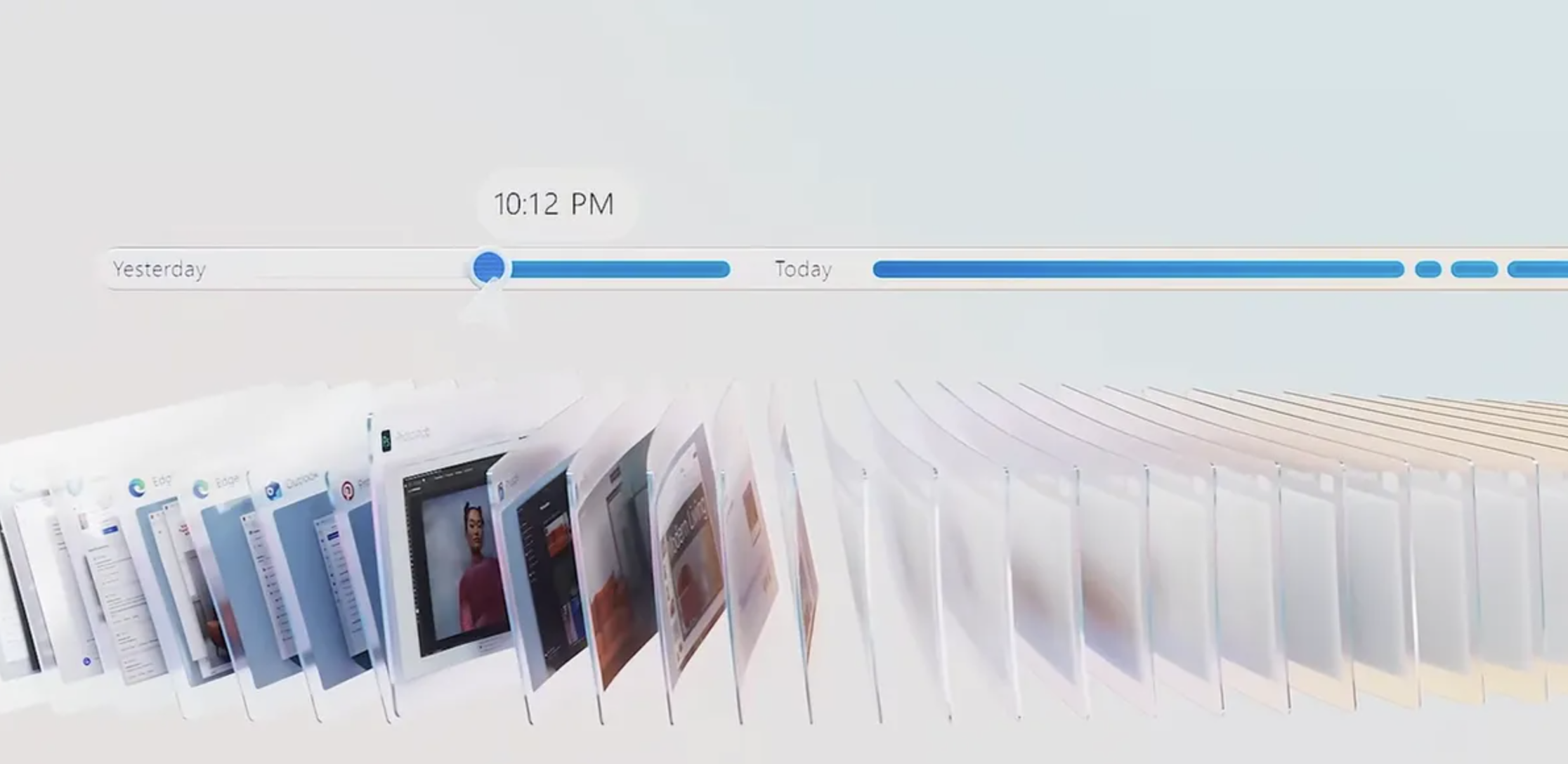
. This feature, set to debut on Copilot Plus PCs, has raised significant cybersecurity and privacy concerns. Security expert Kevin Beaumont found that the local AI models could expose sensitive data, as the screenshots are stored locally and potentially accessible to attackers. Critics argue that Recall could become a “privacy nightmare,” making it easier for malware to steal information. Microsoft maintains that Recall is optional and secured by encryption, but privacy advocates are calling for a revaluation of the feature.
This is the feature that no one asked for. For sure! I get that it's a great way to have an AI engine to help people with their operating system, but the way this was launched and without any security guardrails, was just a car crash. Fortunately, there's some clarification and it will be more secure when launched. I still think that having a feature that screenshots everything you do is indeed a bad idea, no matter the benefits it brings. I can see parents now abusing this to control kids and companies looking forward for such tool to monitor their employees.
Explore the concept of the “dependency threshold,” where complex product development and project management
issues become too intricate to solve through brute-force methods or meticulous planning. It argues for heuristic approaches, such as limiting work-in-progress and prioritising high-impact tasks, to navigate dependencies and constraints. The piece emphasises that beyond a certain complexity, conventional strategies fail, and adaptive, heuristic methods are necessary to optimize productivity and manage project risks effectively.
Interesting approach for dependencies thresholds, where beyond a certain level of complexity, traditional planning and brute-force methods fail to solve problems effectively. I do agree that limiting work in progress and prioritising high impact tasks will help manage the 'right' dependencies and optimize productivity. It's like your focus is delivering the best customer value, like... let's say... a value stream, using heuristics methods to optimize workflows. This ensures that resources are directed towards high-impact tasks that meet customer needs effectively.
“Some Notes on Influenceering” explores the challenges and insights of publishing non-commercial content online.
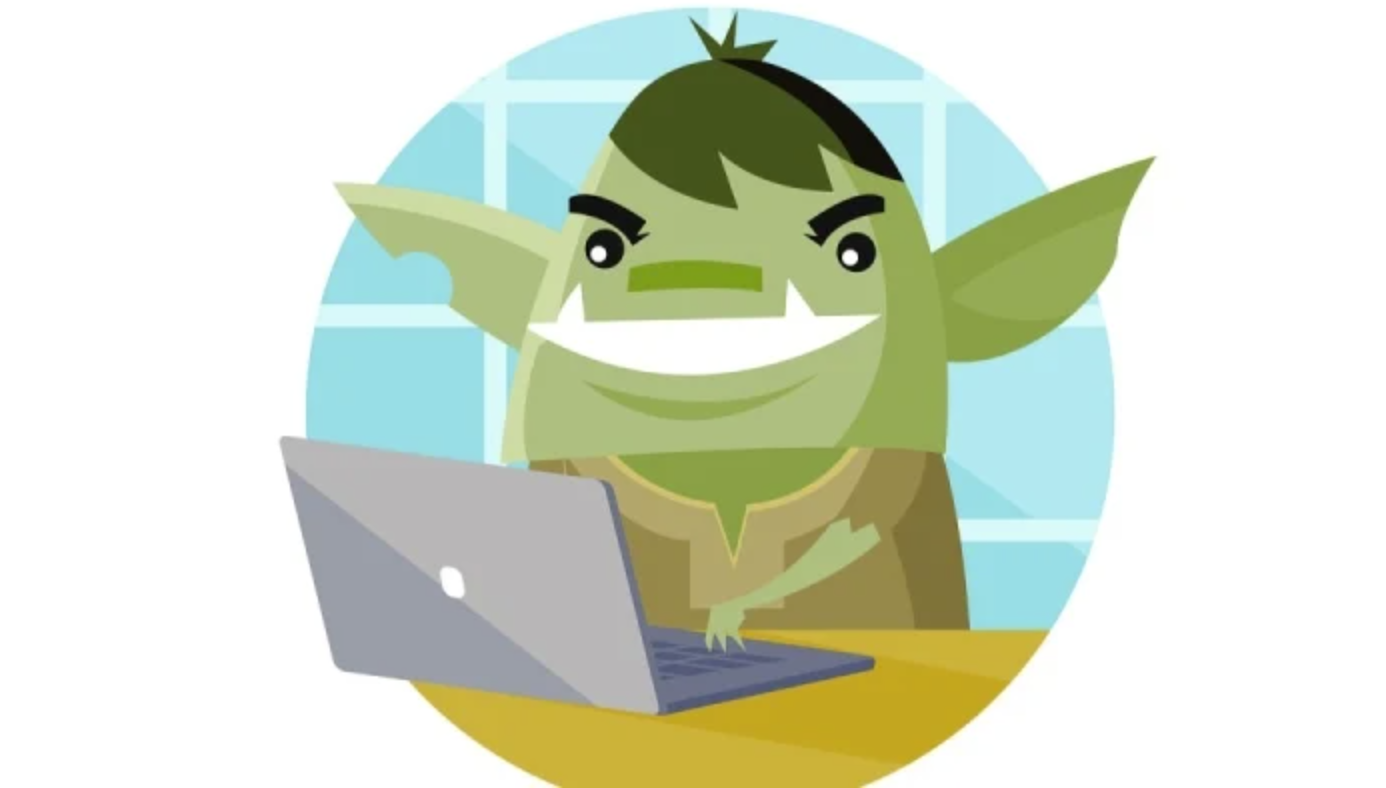
The author shares experiences from over two decades, emphasising the persistent technical issues, the impact of online hate versus audience indifference, and the misleading nature of follower counts. Additionally, the pressure to produce clickbait content despite non-commercial intentions and the importance of building a genuine audience are discussed. The randomness of internet attention and its influence on content creation is also highlighted.
I've been doing free content for over 30 years now, through several iterations of newsletters (90's, 00's), then blogs (00's-10's) and now video (10's-20's). Never considered myself an influencer, but I do understand the power of audiences - my years working in communication and public relations helped a lot. Yet, I survived BBS, IRC, ICQ and Twitter. Online hate is a thing I can deal with quite well, but I understand that younger generations aren't ready for that and deal with it in a different way. Back in the my days, engagement was measured in a different way that it is now and content is currently being built for the audience and not for the author, because monetisation is always there and people expect remuneration if they're doing something. I was brought into tech because people shared their knowledge and experiences. That and opensource influenced me a lot when I started my work tech journey - 30 years ago. Doing things for other people to learn is what drives me to date, not the comments or even the lack of audience - as I do things for me first and if people like it, that's even better.

Last Week in AI
- Siri is reborn, with the help of OpenAI | appleinsider.com
- Instant Voice Cloning: https://github.com/myshell-ai/OpenVoice | github.com
- OpenAI Whistleblowers Describe Reckless and Secretive Culture: | nytimes.com
- Raspberry PI is getting into AI: | theverge.com
- Cohere launches open weights, multilingual AI model Aya: | venturebeat.com
- What can LLMs never do?: https://www.strangeloopcanon.com/p/what-can-llms-never-do | strangeloopcanon.com
- WebSim, WorldSim, and The Summer of Simulative AI: https://www.latent.space/p/sim-ai | latent.space