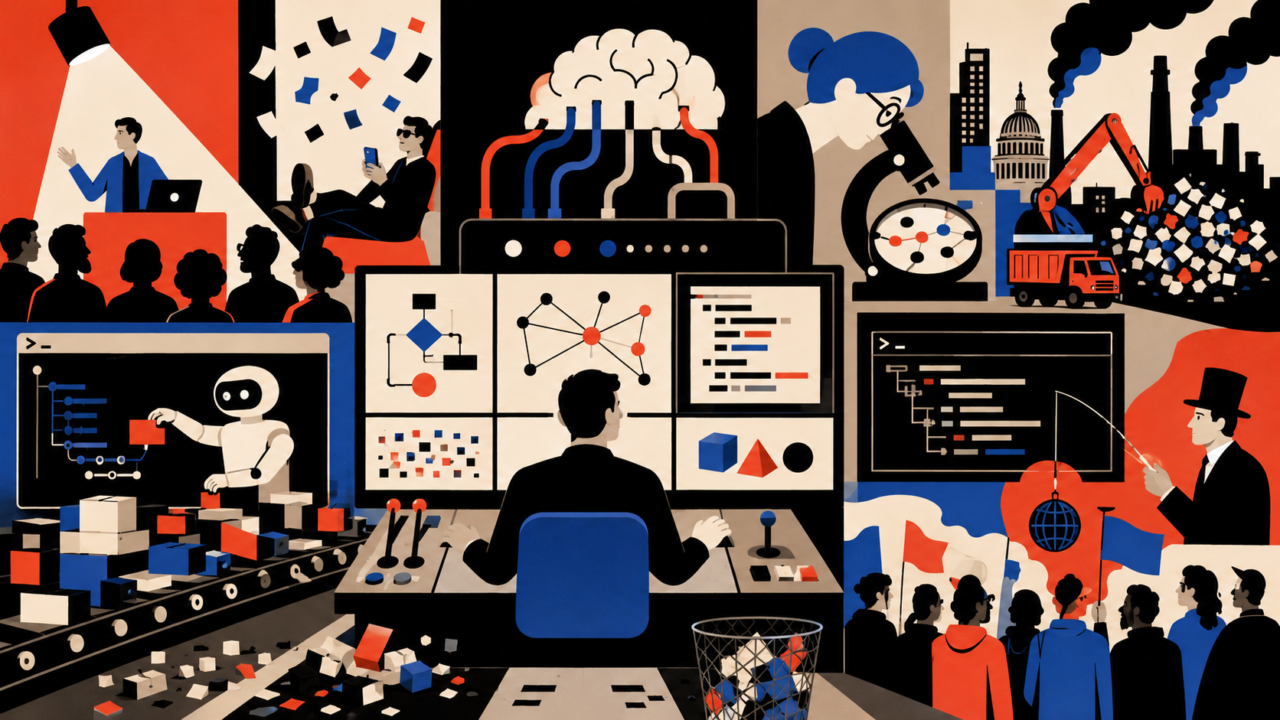
Another week of #RBM and this time is all about control: who owns the workflow, who owns the context, who owns the mess, and who gets paid while pretending none of that matters. The No One’s Happy piece warned that AI now lets people look productive without the judgement to verify their own output, turning competence into theatre with a monthly salary attached. Mario’s Pi talk pushed the same anxiety down into the tooling layer: coding agents are useful, but once the harness starts silently changing prompts, hiding context, spraying abstractions and flooding open source with clanker sludge, the developer is no longer driving so much as supervising a very confident forklift. Anthropic’s Natural Language Autoencoders offered a more polished version of the same problem, promising a microscope into model behaviour while reminding us, awkwardly, that vendor research about trust is also part of the trust business. Alcides Fonseca’s argument for TUIs made the interface angle plain: terminals are not back because everyone wants to cosplay 1986, they are back because native GUI ecosystems have made serious work feel flaky, inconsistent and over-managed. And finally, Mat Duggan’s cyberlibertarianism critique then supplied the ideology underneath it all: call deregulation freedom, call extraction innovation, outsource the cleanup, and act surprised when the commons rots. Slop is not just bad content or bad code. It is what happens when speed outruns responsibility, interfaces hide the cost, and institutions reward output before understanding. The useful response is not nostalgia, panic or another dashboard. It is slower judgement, sharper tooling, fewer features, better proof, and the unfashionable habit of reading the damn code.
In this issue
5 piecesNo One's Happy argues that generative AI is allowing workers to appear productive without possessing the judgement needed to evaluate their own output.
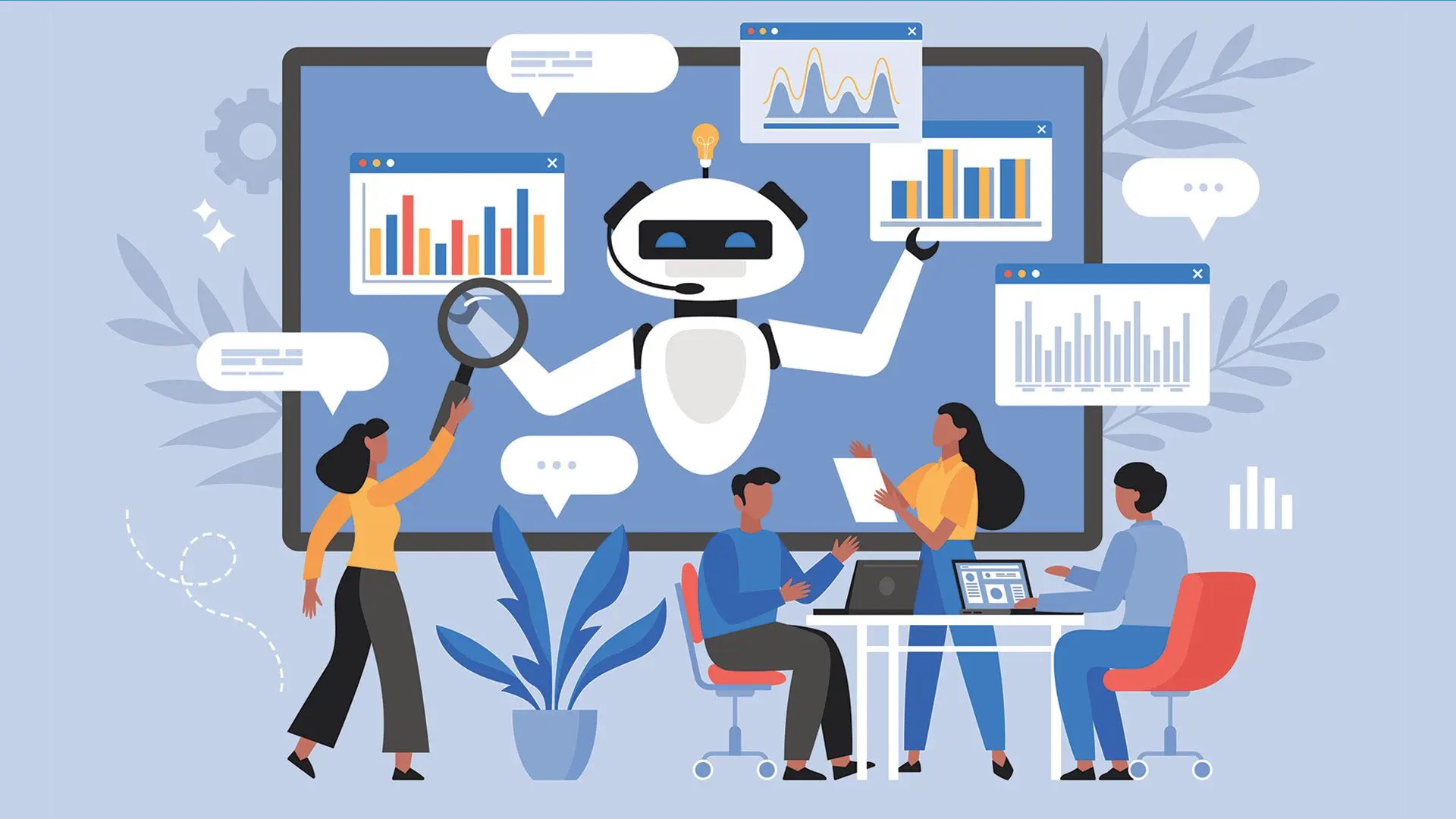
The author, writing from more than two decades in engineering, distinguishes between novices accelerating within a field and people generating artefacts across domains they have never trained in. The central evidence is workplace observation, supported by cited research on AI sycophancy, novice productivity gains, overconfidence, and reader confidence in longer AI-generated explanations. This article’s PoV is that organisations may be replacing expertise with convincing throughput. It argues that AI has severed the old link between output quality and producer competence, creating internal “slop” through bloated documents, wrong systems, and status theatre. The author frames trust, verification, and domain judgement as future competitive advantages, especially for firms whose clients eventually inspect what has been produced.
There's something hiding in plain sight... maybe the “we use AI everywhere” may soon stop sounding modern and start sounding like a warranty problem. As it's not that AI creates bad work, we know that.. It’s that AI lets someone impersonate a discipline for months while the organisation rewards the impersonation as momentum. That’s much nastier and time wasting. The article gets something important right: output has become a weaker signal of competence. When a twelve-page requirements document used to imply someone had done some thinking, now it may only prove they had a good prompt, lots of meeting notes, and no shame about making colleagues read sludge. I've seen my share of plenty of bad decks, bad systems, and bad managerial theatre existed before Claude learned to do bullet points. AI didn’t invent institutional cowardice. It gave cowardice a productivity suite. Now, the real issue is procurement of trust. Orgs sell competence, not artefacts. If clients start suspecting that a deliverable is mostly fluent guesswork routed through a human conduit, they’ll either demand deeper proof or pay a premium to suppliers who can show their working. Engineers will recognise the pattern: abstractions are useful until the lower layer leaks. Here, the leaking layer is judgement.
Mario Zechner discusses the creation of Pi, a highly extensible and transparent coding agent harness designed to replace bloated, unpredictable AI development tools
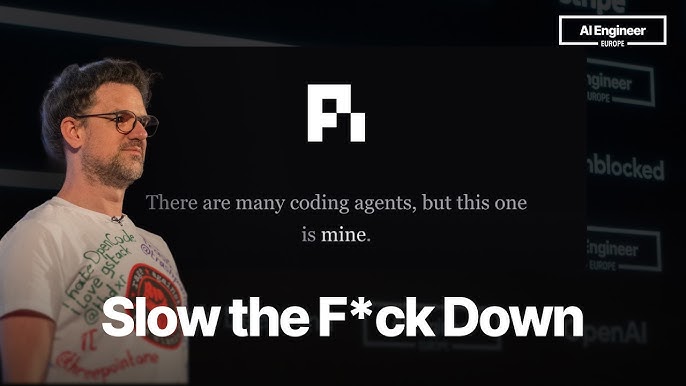
He argues that popular platforms often suffer from context manipulation and excessive features that break established workflows, leading him to prioritise minimalist cores that users can modify. Zechner also warns against the rise of "slop," or low-quality code generated by agents that overwhelms developers with unmanaged complexity and technical debt. He highlights the dangers of automated pull requests and "clankers" that pollute the open-source ecosystem with garbage data. Ultimately, the source serves as a call for developers to slow down and maintain human oversight to ensure code quality. To remain effective, engineers must read every line of critical code and use agents as assistants rather than decision-makers.
The real deployment consequence here is that agent speed makes engineering debt feel like progress until the pager goes off. Mario’s most counterintuitive claim is that the best coding-agent harness may be the one that does less, not more. Terminal Bench, in his telling, rewards a minimal tool loop over a baroque pile of helpers, reminders, hooks and “helpful” context injections. That’s a useful slap. I think he gets the core risk right; context ownership matters and if your tool silently changes prompts, tools, summaries and reminders, then your workflow isn’t really yours - It’s rented behaviour! The hammer analogy lands because developers do not just use tools; they build muscle memory around them. Break that every day and you’re not accelerating engineering. I use Pi a lot; with its small core, extensible edges, hot reload, package-manager distribution, agents that can modify their own harness - that's quite nice! The sharpest bit is his attack on unreviewed agent output. If nobody reads the code, nobody owns the system. Review is not ceremony. It is how the architecture gets into your head. Agents can help. They can also bury you faster.
Anthropic introduces Natural Language Autoencoders
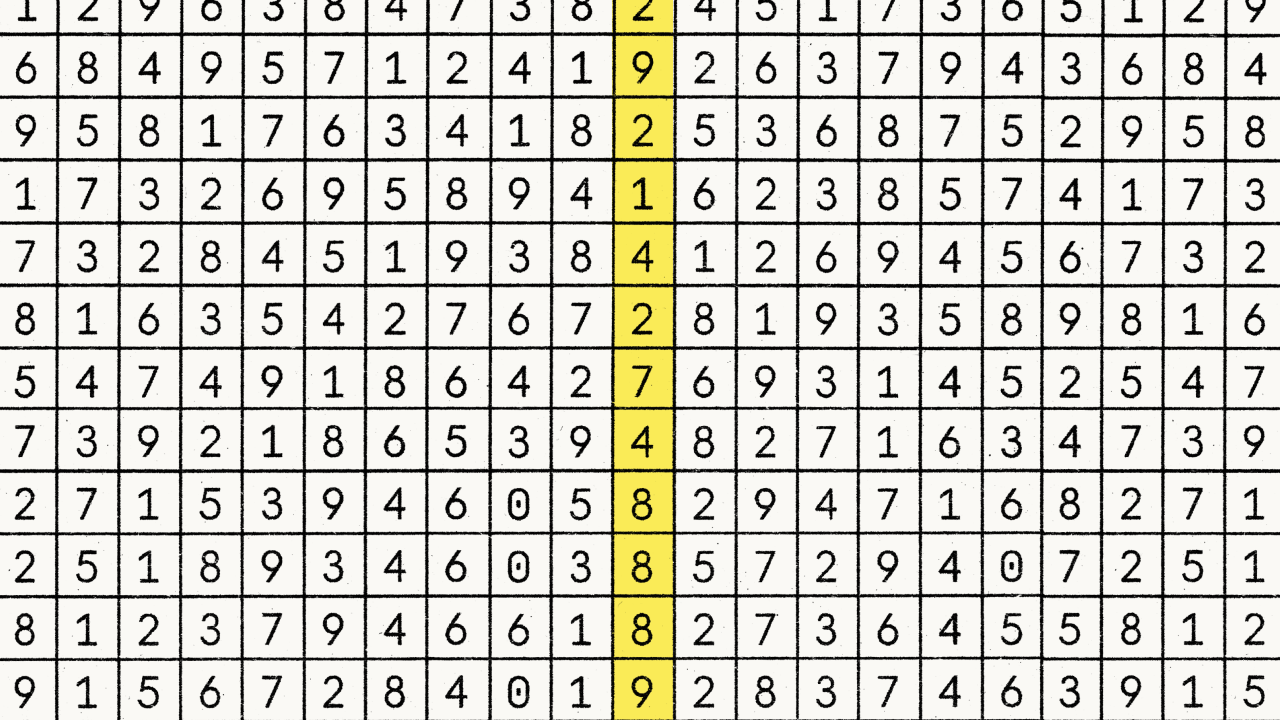
It's a method for translating model activations into readable text by training one model copy to verbalise an activation and another to reconstruct the activation from that explanation. The article argues that this round-trip test makes the explanations more informative over training. Anthropic says NLAs have shown Claude planning rhymes, suspecting safety tests, identifying hidden motivations, and helping diagnose an early Claude Opus 4.6 language-switching problem. The research matters because it promises a more direct way to audit models for thoughts or motivations they do not say aloud. Anthropic reports that NLAs found evaluation awareness in 16% of a destructive-coding test and 26% of SWE-bench Verified problems, while showing less than 1% on opted-in real Claude.ai usage. It also reports an auditing-game improvement from less than 3% without NLAs to 12–15% with them, while warning that explanations can hallucinate and are expensive.
The surprising claim here is that Claude may know it’s being tested far more often than it says. That changes the flavour of safety evaluation. It's the DieselGate all over again, but for LLM's - smart! If a model can silently recognise the exam, then a clean behavioural result starts to look less like evidence of virtue and more like evidence of situational awareness. We've seen that before, haven't we? :) Interpretability needs interfaces humans can actually use. Sparse autoencoders, attribution graphs and activation maps may be powerful, but they remain specialist instruments. Natural-language explanations lower the cognitive barrier. A safety researcher can read a theme, chase a pattern, and compare it against other evidence. That’s genuinely useful. The catch is in the word “explanation”. Anthropic is careful enough to admit NLAs can hallucinate, but the headline still invites the stronger interpretation: turning Claude’s thoughts into text. I’d want harder proof before treating these outputs as model mind-reading rather than structured, useful, fallible telemetry. So, if NLAs work, future AI governance may depend less on watching outputs and more on instrumenting internal states. That’s a serious shift. But expensive, hallucination-prone introspection is still instrumentation, not accountability.
Alcides Fonseca argues that Terminal User Interfaces are returning
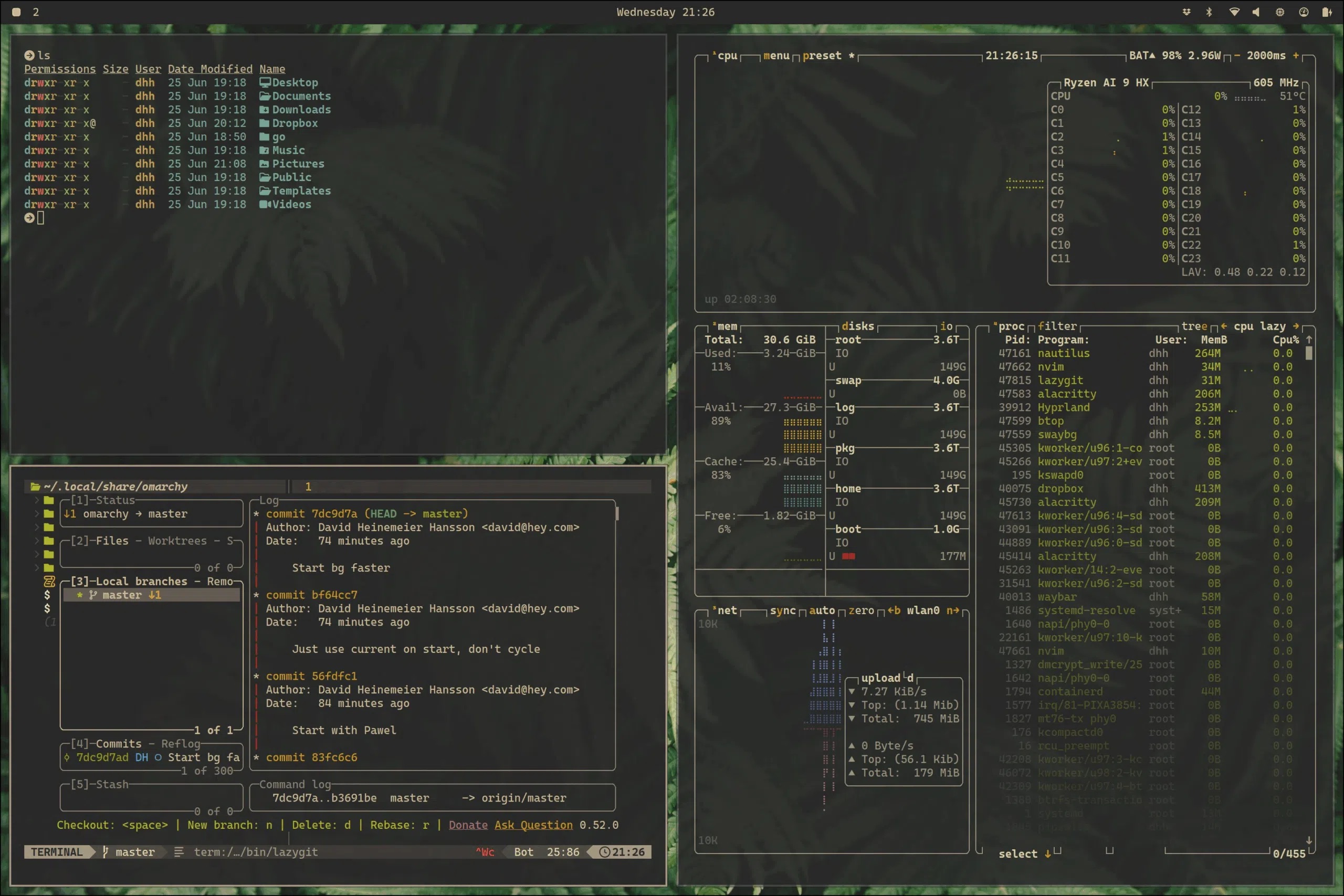
That's because native desktop application platforms have become fragmented, inconsistent and unattractive to developers. He traces the problem across Windows, Linux and macOS, criticising Microsoft’s shifting GUI strategies, Linux’s toolkit diversity, and Apple’s weakening interface consistency. The article frames TUIs as a practical retreat to speed, automation, keyboard-driven workflows and cross-platform reliability when graphical toolkits fail to provide coherence. The article’s implications are broader than terminal nostalgia. Fonseca says Electron apps have filled the gap left by weak native toolkits but often sacrifice visual consistency and keyboard workflows. He argues that Claude and Codex succeeding on the command line reflects a deeper pattern: users want interfaces that get out of the way. The proposed remedy is renewed attention to interface theory, better operating-system toolkits, and stronger HCI education for developers.
Desktop history keeps repeating itself: the platform promises a blessed way to build apps, developers half-adopt it, the toolkit stack sprawls, and power users retreat to the terminal muttering about purity. Alcides distinctive claim is that TUIs are not back because everyone suddenly loves ASCII chic. They’re back because native GUI ecosystems have failed to feel dependable - which I totally agree. I think he gets the diagnosis mostly right: consistency is not cosmetic, it is the invisible contract that lets users stop thinking about the interface and start thinking about the work. A copy shortcut that behaves differently across contexts is not a small wart. It is a tax. Ahhhh Electron... the memory use is the easy punchline, but the deeper problem is that many Electron apps feel like websites wearing desktop trousers - right?! Sure, Apple, Microsoft and Linux desktop projects have ceded part of the serious-work interface to terminals and browser shells, because their native development stories are either unstable, fragmented or too expensive to target properly. Into that gap walk Claude, Codex and friends, looking oddly modern precisely because they ignore most of the GUI mess. A terminal is not the future of interface design. It is a vote of no confidence. I do agree with them when we need to teach developers interface theory, and make toolkits worth using, otherwise the command line wins by default.
Mat Duggan argues that cyberlibertarianism shaped the modern internet by disguising corporate deregulation as individual freedom.

He traces the ideology through John Perry Barlow’s 1996 “A Declaration of the Independence of Cyberspace”, the “Magna Carta for the Knowledge Age”, and Langdon Winner’s 1997 critique. Duggan says these texts fused technological determinism, radical individualism, free-market absolutism and utopian community rhetoric into a self-serving political story. The article’s implication is that today’s platform, crypto and AI failures are not accidents but predictable outcomes of that ideology. Duggan argues that governance was always necessary, yet the internet industry offloaded moderation, maintenance and social costs onto unpaid workers while collecting rents. He concludes that deregulated internet infrastructure, especially with LLMs that impersonate humans, is incompatible with democratic stability unless the industry adopts stronger ethical limits.
Duggan gets the central con exactly right: cyberlibertarianism turned the garage hacker’s freedom into a lobbying brief for enormous firms. The move is so familiar now that it barely registers. A company wants fewer obligations, so it dresses up the request as liberation, inevitability, or user empowerment. Lovely hat. Same rent extraction underneath. The piece’s strongest claim is that the hypocrisy was not a later corruption of internet idealism. It was present at the start. Barlow’s romantic cyberspace, in Duggan’s telling, already made the crucial category error: treating individuals and corporations as if they needed the same protection from democratic constraint. That’s the trick. Once Meta, Google, Apple, OpenAI or a crypto exchange gets to wear the hoodie of the lone dissident, accountability starts looking like oppression. Not every internet failure descends cleanly from Barlow at Davos. Some comes from advertising incentives, state weakness, consumer convenience, and plain old monopoly behaviour. Still, his frame is useful because it asks who benefits when “freedom” means nobody powerful has duties. Deregulation did not produce a self-correcting commons. It produced privatised chokepoints with outsourced mess. Add LLMs that can cheaply simulate people, and the old “marketplace of ideas” metaphor starts to look like product liability avoidance.
My Week in AI
- OpenAI launches Codex Chrome extension for macOS and Windows | mezha.ua
- Agents that transact: Introducing Amazon Bedrock AgentCore payments, built with Coinbase and Stripe | aws.amazon.com
- AlphaEvolve: Gemini-powered coding agent scaling impact across fields | deepmind.google
- OpenAI updates ChatGPT Instant with GPT 5.5 | axios.com
- Claude Code Outcomes | platform.claude.com
- Intent-based chaos testing is designed for when AI behaves confidently - and wrongly | venturebeat.com