
This week #RBM edition is focused on the evolution of Pixel’s design and its iconic camera bar, but also about the pioneering role of Google’s Camera app in advancing computational photography. We’ll be also covering groundbreaking developments in semi-transparent cameras for augmented reality, innovative biocomputing experiments blending human brain cells with technology, and strategic insights for digital health founders navigating the healthcare industry. Finally, there are few challenges in the adoption of passkeys for security, and I couldn’t close this without nostalgia, this time, it’s virus time! See you next week!
In this issue
6 piecesGoogle's Director of Industrial Design, , discusses the evolution of Pixel's design Also on Google's Camera , in this case the app itself, reflects on the transformative impact introduced in 201
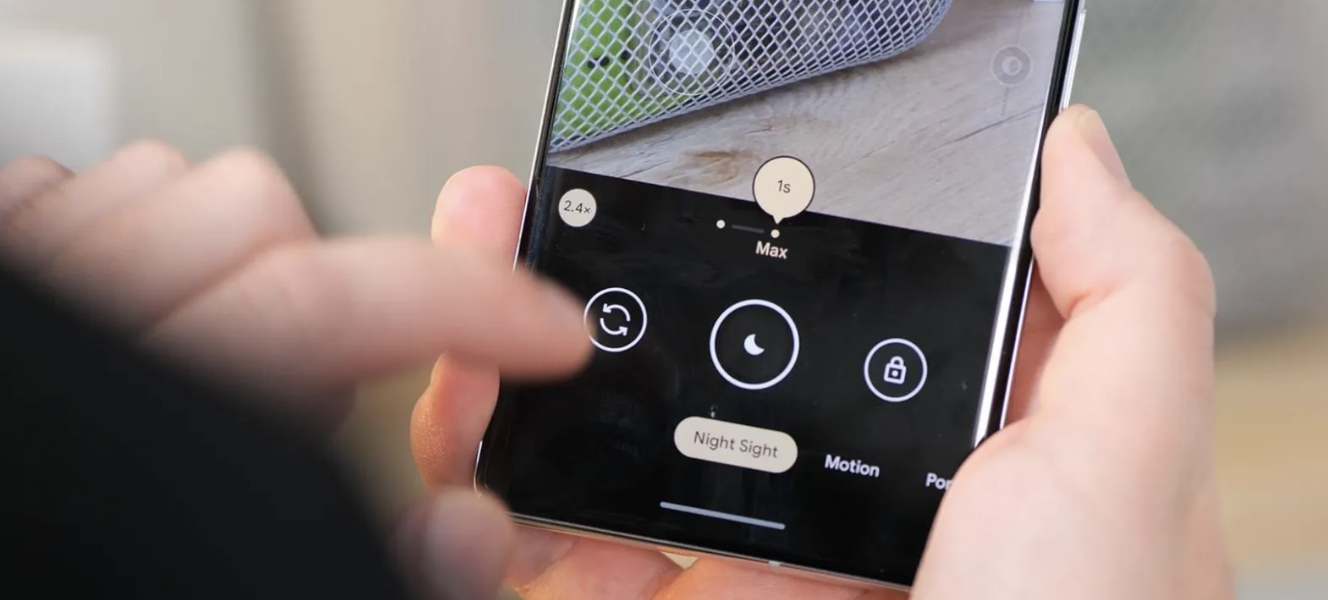
Claude Zellweger, focusing on the camera bar as a key feature. He highlights the transition from distinguishing design elements in earlier models to the functional and aesthetic consistency of the camera bar in recent Pixel phones, he also suggests that future designs will maintain this philosophy while incorporating GenAI technology. Isaac Reynolds4, on smartphone photography. He emphasizes that modern smartphones are essentially sophisticated cameras that leverage both hardware and software to transcend traditional photographic limits. This shift towards computational photography continues to influence new features and the overall evolution of smartphone cameras.
Google has been on the forefront of cameras and colour. Still, they struggle to compete with the features of the iPhone (yes, half of them is just marketing), but the most amazing thing is when current phone cameras are as good as digital ones - for the normal user. Google always have interesting ideas; the problem is then to maintain them and not kill it after a couple of years. That is a problem for retention and credibility.
There's a new breakthrough in eye-tracking technology with the development of a semi-transparent camera
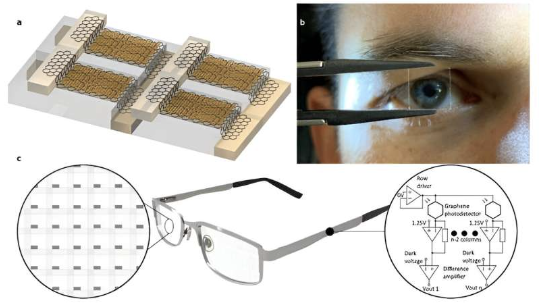
. This innovation enhances user interaction with devices by providing more accurate and efficient eye-tracking capabilities. The technology is particularly significant for augmented reality (AR) applications, improving how users engage with AR environments seamlessly. The semi-transparent design integrates smoothly with various display types, paving the way for broader adoption in consumer electronics and specialized fields like accessibility and medical diagnostics.
I have several Oculus (Rift and Quest), recently tried the apple vision and I must say that this eye tracking tech is quite cool. I would like this to work for people that actually have visual impairments and could benefit of the advancements. But probably the broader adoption will be for game consumers.
There are challenges and disillusionment with passkeys
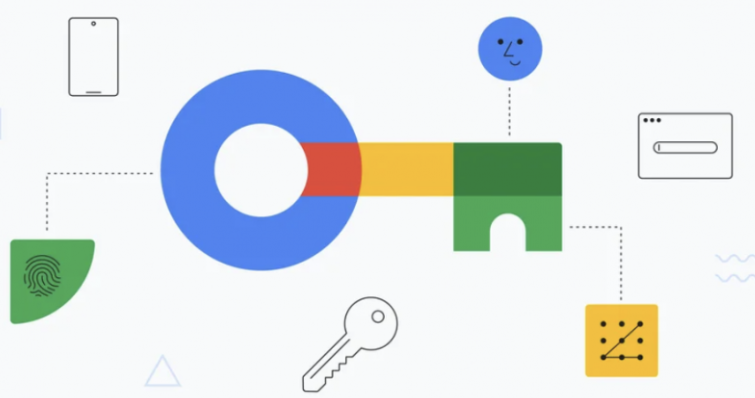
, which were initially celebrated as a revolutionary security enhancement over traditional passwords. Despite early optimism, widespread implementation issues, compatibility problems across different platforms, and user resistance due to unfamiliarity have hindered their adoption. This article reflects on the unrealized potential of passkeys, suggesting that while the technology offers significant security benefits, practical obstacles have so far prevented them from replacing passwords entirely.
Two-factor authentication everywhere, alongside with a strong password, are the best deterrents for hackers. I get that PassKeys will be the future but if we, at this moment, still struggle with passwords and not even have 2FA, then changing the underlying tech isn't going to help the experience - especially if you tell users that then in the future they don't need passwords, just some app and then face/fingerprint/code to authenticate.
Imagine an innovative experiment where human brain cells grown as organoids were connected to a computer chip, Also, we need to think about digital health founders , which are emphasizing the importance of user-centered design and robust data security.
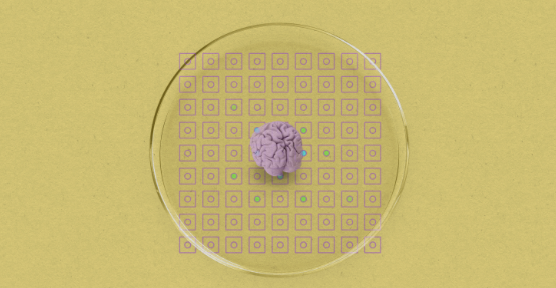
forming a hybrid system capable of basic speech recognition tasks. This setup, called Brainoware, represents a significant step in biocomputing, potentially overcoming limitations of traditional silicon-based computers by utilizing organoids that can process and remember information with low energy consumption. This article discusses the need for clear value propositions that align with stakeholder needs, including patients, providers, and insurers. The piece highlights the potential of digital health to transform healthcare but underscores the necessity of overcoming significant industry hurdles.
digital health is going to be key in the next couple of years. We've been building a lot of value for patients and providers, but mostly for people that actually need it. Having a "connected health" hopefully will improve the way we are diagnosed, monitored and better yet, being 'improved'. Reminds me of my first #NAT (NowAbouThis) about Apple and Health.
This article from The Mihir Chronicles explores the concept of "monkey management" in product management,
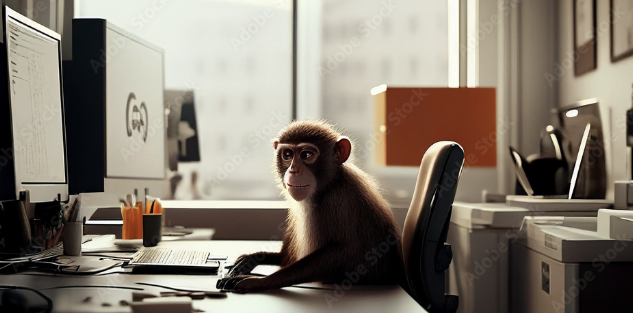
based on the classic 1974 Harvard Business Review piece, "Who's Got the Monkey." It illustrates how unresolved problems (monkeys) can shift responsibility across a team, from leadership to product to design and engineering. Effective management of these issues is crucial to maintain momentum and prevent bottlenecks, emphasizing the importance of knowing who has the monkey to manage time and empower staff effectively.
Anyone that works in a corporation or ever worked in one, probably knows the "monkey management" style. It's a practice where a manager addresses unresolved issues with passing them upwards so that it facilitates the 'monkey' to jump on his back, but it creates an overload for the manager and a failure to develop the potential of staff. Delegation is important, but doesn't address the issue, creates burnout and isolation.
UNIX Viruses 25th Anniversary Edition celebrates Silvio Cesare 's pioneering work in ELF virus technology
and its profound impact on UNIX/Linux security and academia. It revisits his technical contributions, especially the introduction of novel infection addresses and ELF virus detection methodologies. Reflecting on the growth and evolution of UNIX virus design since 1998, the piece highlights how Cesare's research has inspired hackers and academics alike, fostering a deeper understanding of ELF objects and the broader implications for computer security.
Last Week in AI
- Apple Will Revamp Siri to Catch Up to Its Chatbot Competitor | nytimes.com
- Apple Closes in on Deal With OpenAI to Put ChatGPT on iPhone | bloomberg.com
- OpenAI: Introducing the Model Spec | openai.com
- Meet MAI-1: Microsoft Readies New AI Model to Compete With Google, OpenAI | theinformation.com
- Stack Overflow signs deal with OpenAI to supply data to its models | techcrunch.com
- Anthropic iPhone AI app, business plan to compete with OpenAI announced | cnbc.com