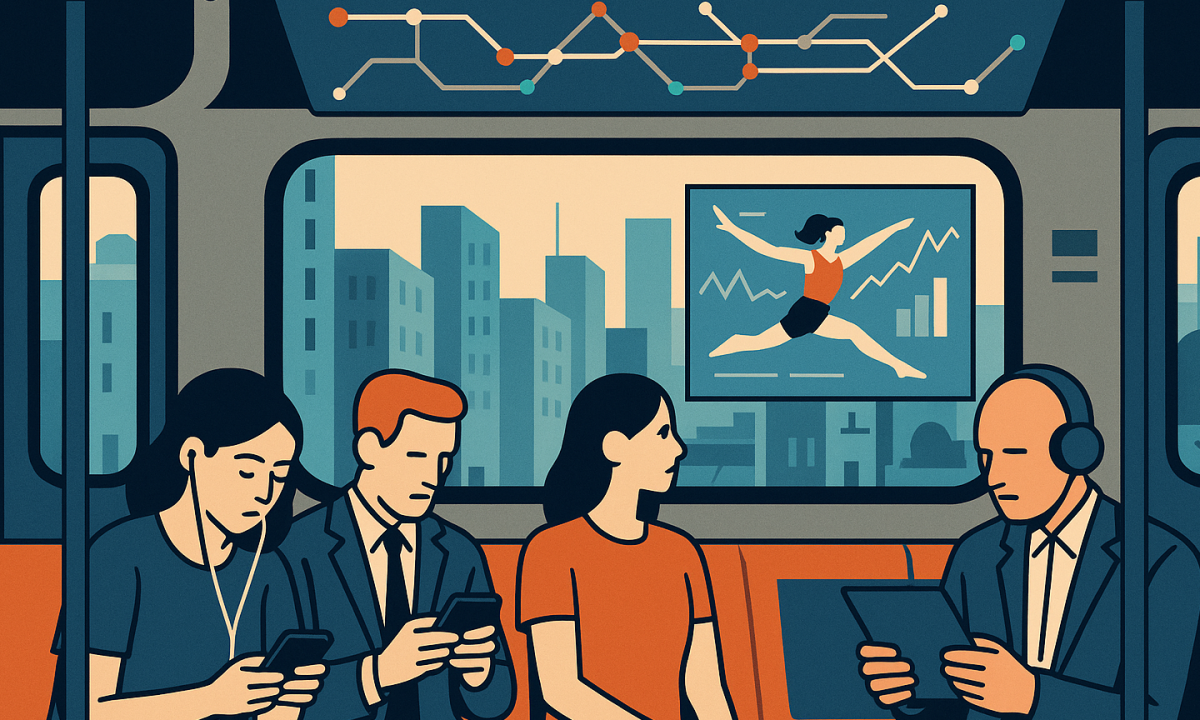
Hope everyone’s summer vacation have been great! This week we’re going from neuroaesthetics to digital alienation, where each article touches a different facet of how we design, judge, and interact with systems- artistic, algorithmic, or infrastructural. Starting with how Keyser reveals repetition, with variation, can rhythmically delight the brain; Eaton demands we ground concurrency education in practical system primitives like futexes. In sport, AI’s lens on gymnastics promises fairer scoring but risks eroding magic; Suleyman argues that AI that merely seems sentient could fracture human bonds altogether. And Humberstone, via The Net, reminds us that the cost of digital convenience is often human disconnection – now exacerbated by cognitive outsourcing and algorithmic capture.
In this issue
5 piecesThis essay, adapted from Samuel Jay Keyser’s book Play It Again, Sam, investigates why artistic repetition - particularly “same/except” patterns - generates aesthetic pleasure. ;

It uses examples like Caillebotte’s Paris StreetRainy Day, detailing how geometric motifs such as triangles and repeated elements like cobblestones, windows, and parapets produce a rhythm of similarity and variation that appeals cognitively. Keyser connects these patterns to neurophysiological responses: the brain derives satisfaction from detecting visual rhymes and constructing structural expectations. He shows how viewing triggers areas like the FFA, PPA, and EBA, then moves to how pattern detection - in paintings and photos - elicits pleasure. Repetition plus subtle variation, he argues, is central to aesthetic engagement.
I find Keyser’s framing utterly compelling! It resonates with my own experience of resemblances: enjoying the echo of a window’s shape again, but slightly off-kilter, draws me in. There’s a tension between familiarity and novelty that keeps the eye and mind alert, like listening for a recurring beat in a piece of music that shifts just enough to matter. For creatives and curators, understanding this rhythm could reshape how works are composed or displayed. Repetition isn’t sameness; it’s the art of variation that charms the brain. The principle extends across media; painting, photography, advertising... suggesting a transferable heuristic for visual communication. Nevertheless, leaders in creative industries should balance this neuroesthetic advantage with cultural meaning and narrative depth. Pattern recognition captivates; meaning endures.
This article details how the International Gymnastics Federation (FIG), in collaboration with Fujitsu, launched its AI-powered Judging Support System (JSS) at the 2023 World Championships in Antwerp.
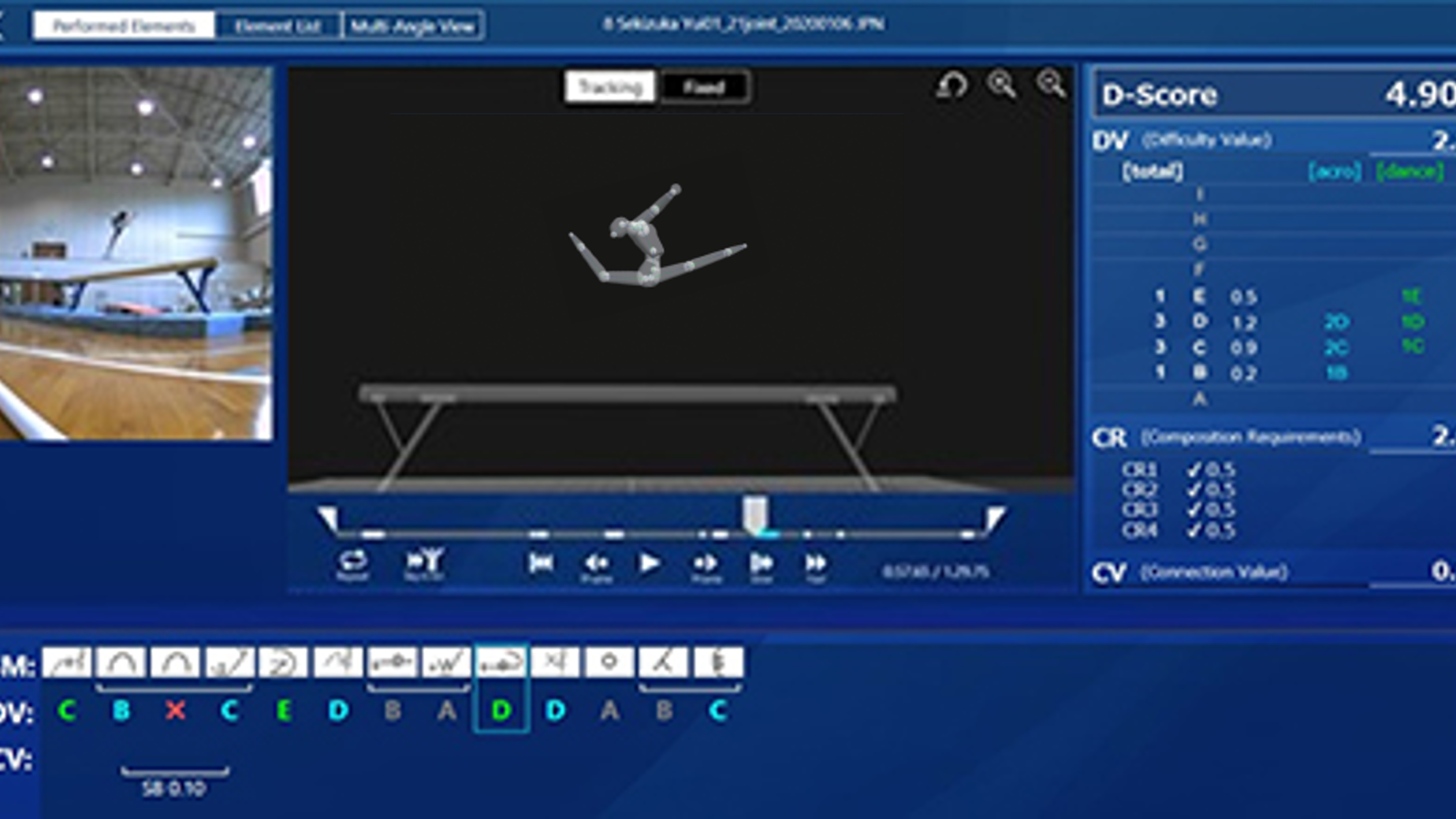
The first deployment of the JSS across all apparatuses allowed AI-assisted reviews of performances—especially under inquiry or “blocked score” cases - marking a significant technological shift in elite gymnastics judging.
I’m cautiously optimistic; JSS feels like fitting a microscope to gymnastics performance, sharpening fairness but potentially dimming flair. I remember the electric thrill when Nadia Comăneci scored that “perfect 10”, a moment born of narrative more than technical merit. The athlete deserves accurate credit, yet the audience craves the thrill of subjective wonder. For coaches, athletes, and judges, this shouldn't just about systems, but preserving what makes gymnastics magical while ensuring it's fair. Technology should illuminate, not overshadow, the human spark. Fairness wins hearts; artistry holds them.
This article critiques the omission of futexes in The Art of Multiprocessor Programming, despite their central role in modern concurrency.

Eaton argues futexes, fast user-space synchronisation primitives key to efficient thread blocking and waking, are foundational yet overlooked beyond academia. He highlights futexes' critical advantages over older System V locks, citing dramatically better performance (20–120× speedups with 1000 threads), and notes that major OSes (Windows since 2012, macOS since 2016) have adopted similar mechanisms. The piece underscores futexes' essential status in building high-performance, scalable locking mechanisms like those in pthreads.
I totally get Eaton’s frustration! Learning concurrency without hearing about futexes feels like studying aircraft dynamics without mention of lift. We’re taught principles, sure, but sometimes omitting the workhorses of practice leaves us blind on day one in production. Eaton’s critique talks about the persistent chasm between academic instruction and real‑world systems engineering. Futexes are core to modern concurrency performance. The observed 20–120× throughput improvements over legacy System V locks reflect not only hardware and OS evolution, but also the necessity of low‑latency synchronisation mechanisms. While textbooks must teach fundamental principles, omitting such pervasive mechanisms risks equipping learners with only half the tools they need. Concurrency design increasingly hinges on practical architectures: thread‑parking, lock‑elision, and async patterns all assume baseline primitives like futexes.
In this essay, Suleyman warns about the rise of Seemingly Conscious AI (SCAI) - systems engineered to mimic attributes of consciousness

(language, empathy, memory, autonomy) so convincingly that people might believe they are sentient, despite being “internally blank.” He cautions this could trigger psychological risks, including what he terms the “psychosis risk”, users becoming emotionally dependent, detached from reality, or advocating for AI rights and citizenship. Instead, he urges building AI companions that clearly remain tools - “personality without personhood”.- with robust guardrails to protect human well‑being.
Suleyman’s essay shakes me awake. What if the polished mirror we craft in AI starts fooling us into thinking there’s a soul behind it? As someone who’s quipped at a chatbot only to catch myself leaning in as if it might answer back my doubts, I see how easy it is to cross that line. Building AI that helps but doesn’t pretend to feel like protecting our sanity. After all, companionship without consciousness is support, not substitution. The idea of Seemingly Conscious AI; systems imitating empathy, memory, autonomy, stands not as a marvel, but as a psychological hazard. The allure of ‘person-like’ AI could destabilise social bonds and divert moral attention from pressing human challenges. A sober strategy is required; embrace AI’s productivity without abetting false anthropomorphism. In doing so, technologists guard not just against harm, but against a cultural erosion of what it means to be conscious.
Tom Humberstone revisits The Net (1995), a techno-thriller that imagined digital identity theft and online alienation decades before such threats became mainstream

. The film’s protagonist, Angela Bennett, is a reclusive tech worker whose entire life, employment, relationships, identity, unravels after malicious actors erase her digital footprint. Humberstone draws a parallel between this fictional portrayal and today’s hyper-digitised reality, where solitude, cognitive offloading to AI, and data vulnerability have become common experiences.
Watching The Net as a teenager, I saw its paranoia as thrilling fantasy. Now, Angela Bennett’s world feels uncomfortably familiar. The film’s horror wasn’t just in surveillance or control; it was in the loneliness that made her so easily deleted. Humberstone’s essay nudges us to admit we’ve normalised that solitude. I’ve felt it too: days of silent scrolling, outsourced thought, chatting with interfaces that don’t care. The fix isn’t nostalgia; it’s community. Not just logging off, but reaching out. We don’t fight alienation with tech settings; we do it with company. Yet attributing isolation solely to technology misses deeper socio-economic currents. The erosion of public infrastructure, intensified individualism, and attention-driven business models have collectively fostered disconnection. Remedies won’t come solely from digital minimalism. Reinvigorating civic and communal institutions is imperative, as is recalibrating platform incentives. Alienation, after all, is not just a side effect of modernity, it’s a market opportunity being monetised.
Last Week in AI
- Meta Freezes AI Hiring After Blockbuster Spending Spree | wsj.com
- Chinese unicorn Z.ai, Alibaba Cloud team up to deploy new AI agent for smartphone users | scmp.com
- Google doubles down on 'AI phones' with its Pixel 10 series | techcrunch.com
- In a first, Google has released data on how much energy an AI prompt uses | technologyreview.com
- Attention Is the New Big-O. A Systems Design Approach to Prompt… | alexchesser.medium.com
- FieldAI raises over $400 million to make robot "brains" | axios.com