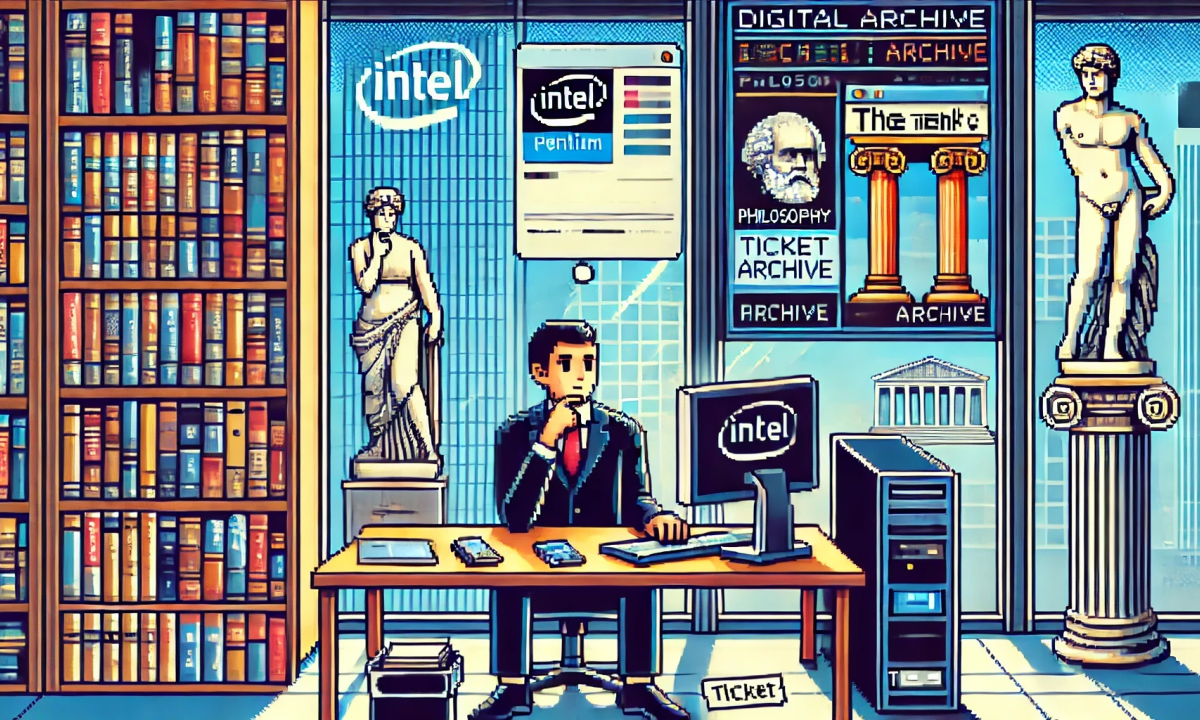
Welcome to another #RBM edition! Did you know that scalpers and hackers are bypassing Ticketmaster’s non-transferable ticket restrictions by reverse-engineering ticket creation processes? We know that Ticketmaster’s monopoly is frustrating for both artists and audiences, and scalpers exploiting this situation highlights the persistent challenges in controlling ticket supply and resale. Then we’ll understand how the original Pentium processor, by using standard-cell methodology, optimised space and functionality, integrating BiCMOS technology for improved performance. Also, archives significantly influence philosophers’ legacies, as seen with Edmund Husserl’s well-preserved archives versus Friedrich Nietzsche’s manipulated ones, but whilst archives are powerful, they can shape narratives and sometimes spreading misinformation, underscoring the need for trustworthy archives. Finally, lets understand the enduring value of pixel art in design! Pixel art’s limitations foster creativity and nostalgia, making it relevant in modern design and reminding me of my startup days with pixel characters. And of course, we’re on vacation and just like the early modern English books marketed humorous content as remedies for melancholy, known as “pills to purge melancholy”, the commoditisation of literature for entertainment and profit persists, and incorporating humor and engaging anecdotes makes technical content more enjoyable – like this newsletter, no? 🙂
In this issue
5 piecesScalpers are collaborating with hackers to bypass Ticketmaster’s “non-transferable” ticket restrictions by reverse-engineering the company’s ticket creation process.

This collaboration allows scalpers to generate valid barcodes independently, which they then sell through their own infrastructure. This has led to a significant legal and technological conflict, highlighted by a recent lawsuit filed by concert giant AXS. The scalpers’ ability to circumvent Ticketmaster’s security measures undermines efforts to prevent ticket resale, ultimately allowing the secondary market to flourish despite intended safeguard.
Ticketmaster has been on the news lately for the worst reasons and both artists and audience aren't happy with the ticket monopoly they have. Now scalpers are the worst kind, I must say. Really hate when you get to buy a ticket and it's sold out, just to find out that you can buy them on the side market for way more. But, on the other hand, it's interesting to see that no matter how we come up with security measures to protect a thing, there's always people willing to go the extra mile to defeat it - specially if there's money involved. I think this clearly highlights the technological exploitation of broader economic and cultural challenges, such as the difficulty of controlling ticket supply and the potential need for new approaches to selling and indeed reselling.
Explore the design of the original Pentium processor using standard-cell design.
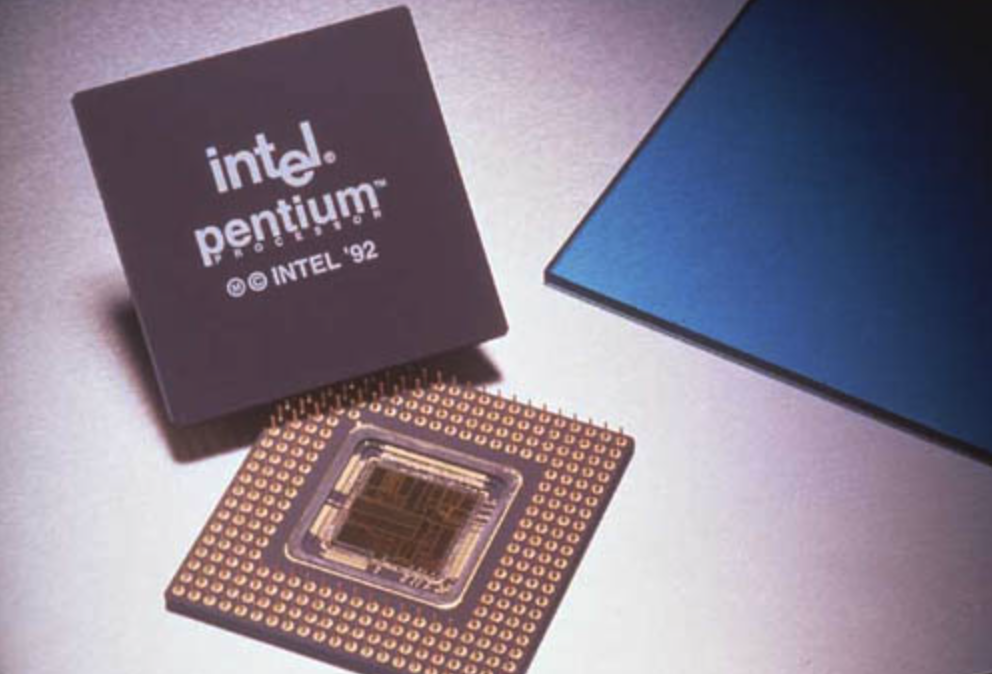
This method uses pre-designed blocks for components like gates and flip-flops, arranged in rows to optimize space and functionality. The author provides detailed images and explanations of how specific circuits, such as inverters and NAND gates, are constructed within the chip. Additionally, the article highlights the Pentium's use of BiCMOS technology, which integrates both bipolar and CMOS transistors, offering improved performance during its era. This blend of methodologies showcases the intricate balance of innovation and efficiency in early microprocessor design.
I was a big fan and consumer of Intel CPUs, since the 386 without the mathematical co-processor, to the 486DX, DX2, Pentium and the late iX, but changed to the ARM architecture fully when Apple released their M1 - and have been a happy user since. But that doesn't mean Intel isn't innovative, it was, it is, but it's not enough to compete with others (ARM) at the moment. The standard-cell design was very good back then, to optimize space and functionality - that's what Apple has done with the M architecture. The article explains everything you need to know about the Pentium - that ruled the world back then.
Archives can significantly influence a philosopher's legacy .

For example, Edmund Husserl's well-maintained archives preserved by Herman Van Breda allowed for a rich scholarly afterlife, whereas Friedrich Nietzsche's archives were manipulated by his sister Elisabeth, which distorted his legacy and associated him with Nazi ideology. Archives hold immense power in shaping historical narratives by including or excluding specific materials, impacting public perception and academic study.
I'm no philosopher :) But my online archives (blog now, blog before as newsletter) have been for me a source of ideas, nostalgia and remembering stuff that I forgot. Of course that archives play a crucial role in shaping a philosopher’s reputation, as seen with Edmund Husserl and Friedrich Nietzsche, ensuring scholarly access and continued study. But we've seen recently how archives can be manipulated towards false information and spreading lies, in particular tied with Nazi ideology. This highlights the immense power archives hold in historical narratives, influenced by the inclusion or exclusion of specific documents. That's why we need to keep Archive.org at all cost.
Marcin Wichary, Figma's Director of Design , discusses the enduring value of pixel art and its influence on modern design

. He explores the history, technical aspects, and aesthetic appeal of pixel art, advocating for its preservation and continued use in digital design. Wichary highlights how pixel art's limitations foster creativity and its nostalgic charm connects with audiences. The talk emphasises the importance of appreciating and learning from older design techniques.
It's a first here on he #RBM newsletter, recommending a video, but this is a good one and I've always fascinated by design and art - my background is civil engineering and art. Now the pixel art is making it's 2nd or 3rd comeback. We've seen it incorporated in multiple products, from cars, to tech and I'm guessing we'll see it even more in the near future. He's right when he says that this limitation of pixels actually fosters creativity - it reminds me back in the days when I had my own startup and we draw everyone as a pixel character.
" Better than a Pound of Sorrow: Antidotes for Melancholy in Early Modern England " explores how books in Elizabethan and early modern England were marketed as cures for melancholy.
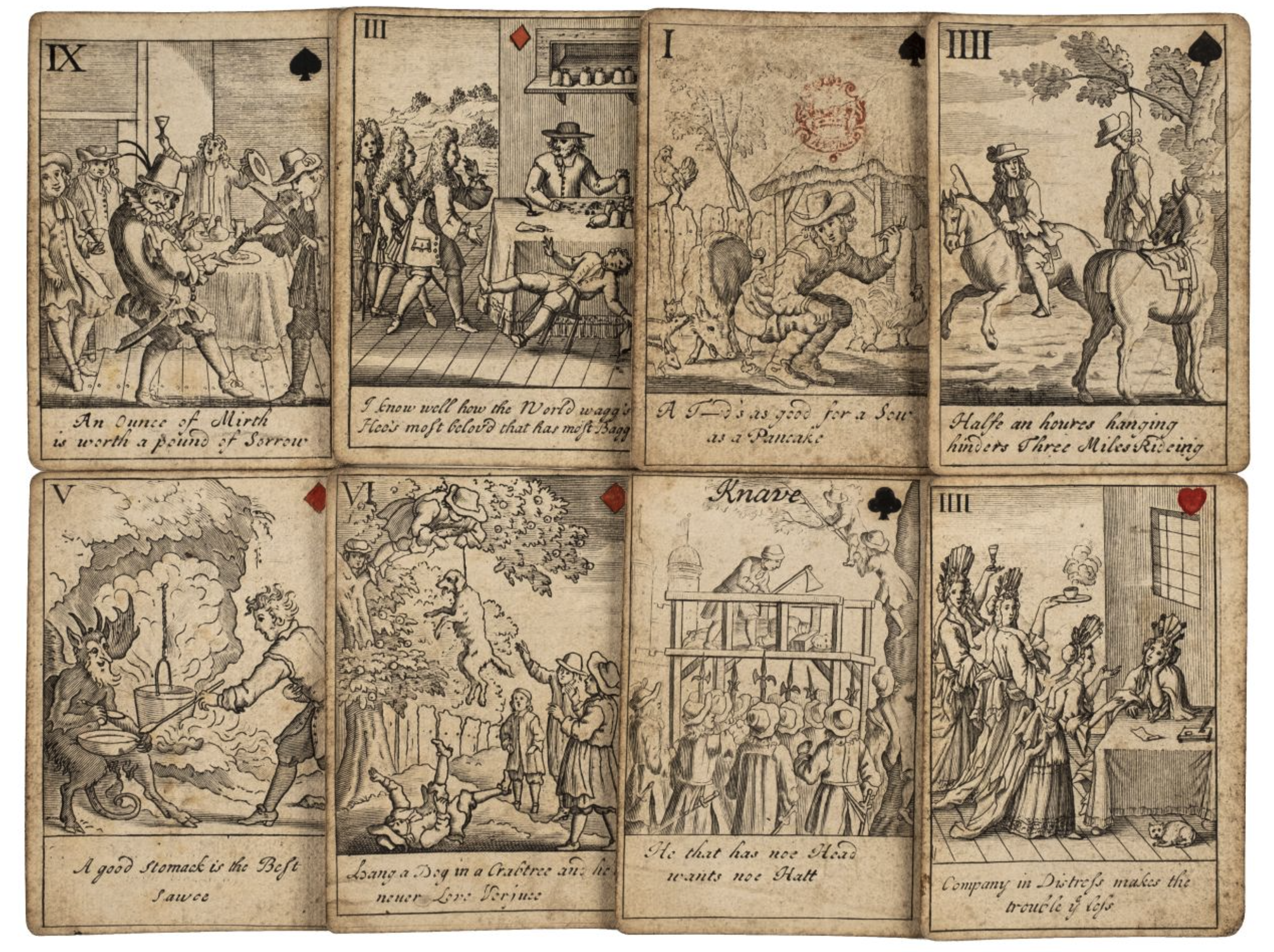
These collections often included humorous songs, stories, and poems, believed to lift spirits and improve mental health. The phrase "pills to purge melancholy" became a popular metaphor for these compilations.
I'm on vacation, so I'm reading a lot - a lot! But it's interesting to see on how early modern books marketed funny songs and stories as remedies for melancholy, so "pills to purge melancholy" was widely used to describe these collections. We also know that music and laughter were considered effective therapies for mental disorders, but I'm seeing that most of books nowadays need to be both entertainment and profit-driven, reflecting a commoditisation of literature. I hope that when you're reading this you can see my own way of incorporating humor, engaging anecdotes, and light-hearted commentary to make technical content more enjoyable and accessible :)
Last Week in AI
- a16z is trying to keep AI alive with Oxygen initiative | theverge.com
- AI IQ test: OpenAI has a new system to measure how smart its AI tool is, ChatGPT at level 1 | indiatoday.in
- Microsoft and Apple ditch OpenAI board seats amid regulatory scrutiny | theverge.com
- Chrome's new window.ai feature is going to change the web forever | x.com
- AI’s moment of disillusionment | infoworld.com
- Real criminals, fake victims: how chatbots are being deployed in the global fight against phone scammers | theguardian.com
- Reasoning in Large Language Models: A Geometric Perspective | arxiv.org
- Exclusive: OpenAI working on new reasoning technology under code name ‘Strawberry’ | reuters.com